
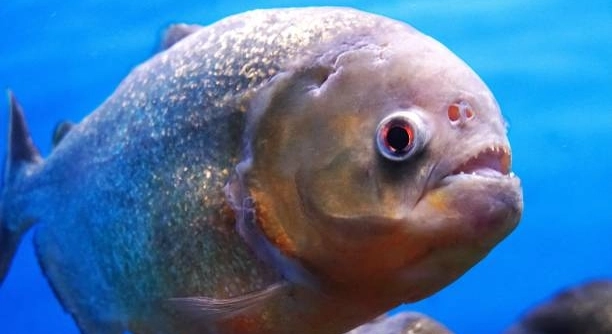
Piranhas are known for their aggressive behavior, which can sometimes lead to fights in captivity. These encounters may cause injuries or stress for your fish. Helping them recover properly is essential for their health and well-being.
To support a piranha after a fight, it is important to isolate the injured fish to prevent further harm, maintain clean water to reduce infection risk, and provide a nutritious diet to aid healing. Monitoring their condition closely is also crucial.
Knowing how to care for your piranha after a fight will improve its chances of a smooth recovery. The following tips will guide you through the key steps to keep your fish safe and healthy.
Identifying Injuries and Stress in Your Piranha
When piranhas fight, they often get visible injuries like torn fins, scratches, or missing scales. Sometimes, wounds may be small but can lead to infections if not treated. Besides physical damage, stress is another concern. A stressed piranha might hide more than usual, lose appetite, or swim erratically. It’s important to observe your fish closely after a fight. Early signs of stress and injury help you act quickly. Check the water for any blood or debris, as this can worsen water quality. Injured fish need a calm environment, so avoid sudden movements around the tank. Using a gentle light instead of bright lights can reduce stress. Keep the tank temperature stable, as fluctuations can slow healing. The better you notice these signs, the faster you can help your piranha recover safely.
Keeping a close eye on behavior and appearance is the first step toward recovery.
Prompt identification of injuries and stress prevents complications and supports timely treatment for your piranha.
Isolation and Tank Preparation
Isolating an injured piranha helps prevent more fights and lowers infection risk. Use a separate quarantine tank with similar water conditions as the main tank. This avoids additional stress from changes in environment.
In the quarantine tank, maintain clean water with frequent small changes to reduce bacteria. Avoid strong water flow since injured fish need calm water to heal. Adding aquarium salt in the correct amount can help fight infections and promote healing. Be careful not to overdose, as piranhas are sensitive to chemicals.
Remove any sharp decorations or objects that could cause further injury. Use gentle filtration and keep the tank temperature steady, ideally between 75 to 80 degrees Fahrenheit. The quiet setting gives your piranha space to recover without being disturbed. Proper tank setup and isolation are essential steps to ensure a healthy healing process.
Feeding and Nutrition Tips for Recovery
A good diet helps your piranha heal faster and regain strength after a fight. Focus on feeding high-protein foods like bloodworms, shrimp, or specially formulated carnivore pellets. These provide essential nutrients to repair tissue and boost the immune system. Avoid overfeeding since it can pollute the water and cause more stress.
Feed smaller amounts several times a day rather than one large meal. This makes digestion easier for the recovering fish. If your piranha shows little interest in food, try offering live or frozen options, as these are often more appealing. Supplements like vitamins can also support healing but use them carefully and according to instructions.
Be patient with your fish during recovery. Good nutrition combined with a calm environment will help your piranha regain health and reduce the chance of future fights. Keeping track of eating habits also helps you notice any changes in condition early.
Monitoring Recovery Progress
Keep a close watch on your piranha’s wounds and behavior every day. Look for signs of healing like reduced redness and smaller wounds.
If the fish becomes more active and starts eating well, it usually means recovery is on track. Watch for any swelling, fungus, or unusual spots, which may indicate infection. If you notice these, consider using antibacterial treatments designed for fish. Record any changes to share with a vet or experienced aquarist if needed. Patience is important, as healing can take several weeks depending on injury severity.
Avoid disturbing the fish too much during this time. Stress slows down healing and can cause setbacks. A calm environment with minimal handling will help your piranha recover faster. Maintaining excellent water quality is just as critical during recovery to prevent secondary infections.
Preventing Future Fights
Fights often happen due to overcrowding or lack of hiding places. Make sure your tank isn’t too crowded; a larger space reduces aggression. Adding plenty of plants, rocks, or decorations gives fish places to hide and reduces stress.
Keep an eye on your piranhas’ behavior and separate any fish that show aggressive tendencies before fights start. Feeding on a regular schedule helps reduce competition over food. Sometimes rearranging tank decorations disrupts established territories, which can lower aggression. Consistent water conditions and proper tank maintenance create a stable environment that keeps your piranhas calmer overall. These steps can help reduce the chances of future injuries.
Using Medication When Necessary
Sometimes wounds get infected and need medication to heal properly. Fish antibiotics or antifungal treatments can be used based on the type of infection.
Always follow the instructions carefully to avoid harming your piranha. Monitor the fish’s response and stop treatment if you see negative effects.
Maintaining Water Quality
Keeping water clean is vital for healing. Perform regular water changes and test for ammonia, nitrites, and nitrates.
Poor water quality slows healing and can cause stress or illness. Use a good filter and avoid overcrowding to keep water conditions stable.
Handling Your Piranha During Recovery
Limit handling to prevent stress and injury. Use a soft net only when necessary, like during tank cleaning or transfer to quarantine.
Gentle care helps your piranha heal without extra damage or anxiety.
FAQ
How long does it take for a piranha to recover from a fight?
Recovery time varies depending on the severity of injuries and the care provided. Minor wounds may heal within one to two weeks, while more serious injuries can take several weeks or longer. Clean water, proper nutrition, and stress-free conditions all speed up healing. Monitoring your fish daily helps you notice progress or problems early.
Can piranhas heal on their own without isolation?
Piranhas can sometimes heal without isolation if the wounds are minor and the tank conditions are excellent. However, isolating injured fish is recommended to prevent further attacks and reduce stress. It also makes it easier to monitor their condition and treat infections if needed.
What signs show that my piranha is infected?
Infections often appear as white or fuzzy patches, swelling, redness, or ulcers around wounds. The fish might also lose appetite or become lethargic. Early treatment is key to stopping infections from worsening. Using antibacterial or antifungal medications as directed can help.
Is it safe to use aquarium salt for healing wounds?
Yes, aquarium salt can be beneficial in small, controlled amounts. It helps reduce stress and fights minor infections. Be careful with the dosage since piranhas are sensitive. Follow recommended amounts for your tank size and avoid overuse, which could harm your fish.
How often should I change the water during my piranha’s recovery?
Changing 20-30% of the water every two to three days is ideal during recovery. Frequent small water changes keep the environment clean without shocking the fish. Always treat new water to remove chlorine and match temperature to the tank.
Can stress from fighting cause long-term health problems?
Yes, stress weakens the immune system and can lead to slower healing or secondary illnesses. Prolonged stress affects appetite and behavior, increasing the chance of death if not managed. Minimizing aggression and providing a calm environment helps avoid these issues.
What foods are best for a recovering piranha?
High-protein foods like bloodworms, shrimp, and carnivore pellets provide essential nutrients for healing. Offering a varied diet supports immune health. Avoid overfeeding to prevent water quality problems and digestive issues. If your piranha refuses food, try live or frozen options, which are often more enticing.
Should I treat my entire tank if one piranha is injured?
Treating the whole tank depends on the infection risk. If the injured fish shows signs of infection, it’s better to isolate and treat it separately to avoid stressing healthy fish. General water quality maintenance benefits all tank inhabitants but avoid medicating unnecessarily.
How can I reduce aggression to prevent future fights?
Provide enough space and hiding spots in the tank. Avoid overcrowding and keep a consistent feeding schedule. Rearranging tank decorations can disrupt territorial behavior and reduce aggression. Separating overly aggressive individuals may be necessary in some cases.
When should I seek professional help for my piranha?
If wounds worsen, infections do not improve with treatment, or your fish shows signs of severe distress like constant hiding or loss of appetite, consult a vet or experienced aquarist. Early intervention increases the chances of recovery and reduces suffering.
This FAQ covers common concerns about piranha recovery and care after fights. Addressing these questions helps ensure your fish gets the best chance at healing and staying healthy.
Final Thoughts
Helping your piranha recover from fights requires careful attention and patience. Injuries can range from small scratches to deeper wounds, and each type needs proper care. Isolating the injured fish is one of the most important steps you can take. This keeps the injured piranha safe from further attacks and helps reduce stress. Stress can slow healing and cause other health problems. Keeping the water clean and stable during recovery is equally important. Regular water changes and good filtration create a healthy environment that supports healing. Monitoring your fish daily helps you catch any signs of infection or worsening conditions early, so you can take action before problems get serious.
Nutrition plays a key role in recovery. Feeding high-protein foods like bloodworms, shrimp, or special carnivore pellets helps rebuild tissue and strengthen the immune system. Feeding smaller portions multiple times a day is better than one large meal, especially when your piranha is weak or stressed. Patience is essential because healing takes time. Even if your fish looks better after a few days, wounds may still need a few weeks to fully close and heal. Avoid overcrowding the tank and provide plenty of hiding places to reduce aggression and prevent future fights. These changes improve your piranha’s overall well-being and reduce stress, making them less likely to fight again.
Remember that each piranha is different, and some may recover faster than others. Keeping a calm and stable environment, along with proper care, will give your fish the best chance to heal fully. If you notice signs of infection or if the fish’s condition worsens despite your efforts, seeking professional advice from a vet or experienced aquarist is a good idea. By acting quickly and carefully, you can help your piranha recover safely and return to a healthy, peaceful life in your aquarium. The time and care you invest now will pay off with a stronger, happier fish in the future.

Hello,
If you enjoy the content that we create, please consider saying a "Thank You!" by leaving a tip.
Every little bit helps us continue crafting quality advice that supports the health, happiness, and well-being of pets around the world, for pets of all shapes, sizes, and species.
We really appreciate the kindness and support that you show us!