
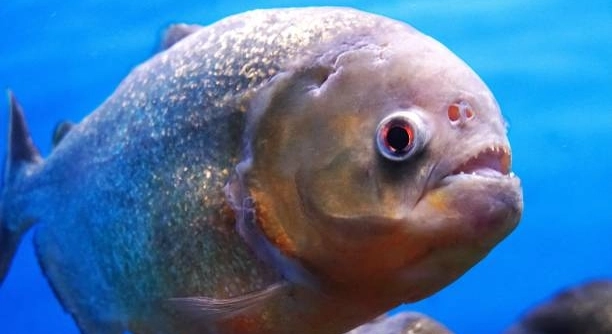
Multi-piranha tanks can be fascinating to observe, but they also come with risks. Injuries happen more often than people expect when multiple piranhas share the same space. Knowing what causes these injuries is important for better care.
Injuries in multi-piranha tanks typically arise from overcrowding, aggressive behavior, poor water conditions, improper feeding, territorial disputes, inadequate tank setup, and stress. These factors collectively increase the chance of harm among the fish.
Learning about these common causes will help you maintain a healthier environment for your piranhas and reduce the chance of injury in your tank.
Overcrowding in Multi-Piranha Tanks
Overcrowding is one of the leading causes of injury in multi-piranha tanks. When too many piranhas share a limited space, competition for resources like food and territory increases sharply. This often leads to aggressive encounters and physical fights. Overcrowding also reduces the amount of oxygen and clean water available for each fish, making them weaker and more vulnerable to infections. Many beginners don’t realize how much space piranhas need to thrive, which causes unnecessary stress and injury. Ideally, each piranha should have enough room to swim freely without constantly bumping into others. Neglecting this can result in torn fins, bite wounds, and sometimes more serious harm. Regular tank maintenance and monitoring the number of fish can help prevent these issues. Keeping the tank size appropriate for the number of piranhas is essential to avoid overcrowding problems.
Limiting the number of piranhas in a tank and providing enough swimming space greatly reduces aggressive behavior and injuries.
Understanding the effects of overcrowding helps maintain a peaceful and healthy tank environment. It’s important to regularly check the tank population and adjust accordingly. Overcrowding not only causes physical injuries but also leads to long-term stress, weakening the immune system of the fish. With proper space, piranhas are less likely to fight and more likely to display natural, calm behavior. This creates a better experience for both the fish and the keeper.
Aggressive Behavior and Territorial Disputes
Aggressive behavior is natural in piranhas, especially when they feel their territory is threatened. In a tank, this can lead to fights and injuries as they try to establish dominance. Piranhas often use biting as a way to assert control or defend their space. Without enough hiding spots or clear boundaries, these disputes become more frequent and severe.
To reduce aggression, it’s important to create a well-structured tank with plenty of decorations and hiding places. Rocks, plants, and driftwood can help break the line of sight between piranhas and reduce tension. Feeding the fish properly and consistently also lowers the chances of aggression triggered by hunger. Understanding their behavior helps prevent fights and keeps injuries at a minimum.
Poor Water Conditions
Poor water quality is a major factor that leads to injuries in multi-piranha tanks. Dirty water stresses the fish and weakens their immune systems, making them more prone to infections and wounds.
Maintaining clean water is essential for keeping piranhas healthy and injury-free. Uneaten food, waste, and decaying plants increase ammonia and nitrate levels, which can irritate the fish’s skin and gills. This irritation can cause scratching against tank decorations, leading to cuts or scrapes. Regular water changes, proper filtration, and testing water parameters help keep the environment safe. It’s also important to avoid sudden changes in temperature or pH, as these can stress the fish further and make injuries worse.
Keeping the tank clean improves the fish’s overall health and lowers the chances of injury caused by weakened defenses. Clean water supports faster healing when injuries do occur and helps prevent disease outbreaks that can worsen wounds.
Improper Feeding
Feeding piranhas incorrectly often causes stress and injury. Overfeeding or feeding the wrong type of food can lead to competition and aggression, resulting in bites or scratches.
Providing the right diet in appropriate amounts reduces fighting and keeps the piranhas calm. Piranhas are carnivorous and need a diet rich in protein from fresh or frozen sources like fish, shrimp, or insects. Feeding them too much or too little can cause frustration or hunger-driven aggression. Also, dropping large amounts of food in one spot encourages fighting. It’s better to spread food around the tank to reduce competition. Monitoring feeding habits and adjusting portions helps maintain peace in the tank and reduces injuries caused by stress or fighting over food.
Inadequate Tank Setup
An improper tank setup can increase the risk of injuries among piranhas. Lack of hiding spots and poor decoration arrangement cause stress and fights.
Providing a well-structured environment with plenty of plants, rocks, and driftwood helps reduce aggression. These elements give fish places to retreat and establish territories, lowering chances of injury.
Stress and Its Impact on Piranhas
Stress weakens piranhas’ immune systems and makes them more vulnerable to injuries and infections. Causes include overcrowding, poor water quality, and constant fighting. Reducing stress through proper care and environment setup is essential for healthy, injury-free fish.
Territorial Behavior
Piranhas are naturally territorial, especially in shared tanks. Territorial disputes often result in biting and physical harm. Managing tank space and decorations can help ease territorial aggression.
What causes injuries in multi-piranha tanks?
Injuries in multi-piranha tanks mainly come from overcrowding, aggressive behavior, poor water conditions, and territorial disputes. When piranhas feel crowded or stressed, they are more likely to fight. Poor water quality weakens their health, making wounds more common and slower to heal.
How can overcrowding be prevented?
Avoid keeping too many piranhas in one tank. Each fish needs enough space to swim freely and avoid constant contact with others. A good rule of thumb is to have at least 20 gallons of water per piranha. Regularly monitor the tank population and upgrade the tank size if needed.
Why do piranhas fight in tanks?
Piranhas are naturally aggressive, especially when space and food are limited. They fight to establish dominance and protect their territory. Without enough hiding places or proper feeding, these fights become more frequent and harmful.
What kind of tank setup reduces injury risk?
A tank with plenty of decorations like rocks, plants, and driftwood helps break lines of sight and gives piranhas places to hide. This reduces tension and territorial disputes. It’s important to arrange these items so each fish can claim a space.
How often should water be changed?
Water should be changed regularly—about 25% every week is ideal. This keeps toxins like ammonia and nitrates low. Good water quality is key to preventing stress and infections that cause injuries.
What foods are best for piranhas?
Piranhas thrive on a diet rich in fresh or frozen proteins like fish, shrimp, and insects. Avoid overfeeding or feeding large amounts at once, as this can lead to fighting. Spread food evenly to reduce competition.
How can stress be minimized in multi-piranha tanks?
Stress can be lowered by providing enough space, clean water, and proper feeding. Keeping the environment stable and reducing sudden changes in temperature or light also helps keep piranhas calm and less likely to injure each other.
Can injuries heal on their own in piranha tanks?
Minor injuries may heal on their own if water quality is good and the fish aren’t stressed. However, deep wounds or infections need attention. Isolating injured fish and treating them can prevent further harm.
Is it normal for piranhas to bite each other?
Biting is a natural part of piranha behavior, especially when establishing territory or during feeding. However, frequent biting that causes serious injury indicates problems like overcrowding or stress.
What signs show that a piranha is injured?
Look for torn fins, missing scales, open wounds, or unusual behavior like hiding or lack of appetite. Early detection can prevent infections and improve recovery chances.
How can I safely treat injured piranhas?
If possible, move the injured fish to a quarantine tank with clean, warm water. Use antibacterial treatments as recommended for fish injuries. Keep the tank quiet and monitor healing closely.
Are certain piranha species more aggressive?
Some species are naturally more aggressive than others. It’s important to research the type of piranha you have and adjust the tank environment accordingly to reduce injury risks.
Can tank size influence aggression?
Yes, smaller tanks increase stress and aggression because piranhas feel cramped. Larger tanks allow for natural behavior and reduce fights, lowering injury chances.
Is it necessary to separate piranhas if they fight often?
If fights cause serious injuries, separating aggressive individuals may be needed. This helps prevent further harm and allows injured fish to recover safely.
What role does lighting play in piranha behavior?
Too much light or sudden changes can stress piranhas, making them more aggressive. Using a consistent light cycle with moderate brightness helps maintain calm behavior.
How important is regular tank cleaning?
Regular cleaning prevents toxin buildup and keeps water safe. Clean tanks support healthy fish that are less likely to fight or get injured.
What should I avoid to keep piranhas safe?
Avoid overcrowding, poor feeding habits, sudden changes in water conditions, and lack of hiding places. These factors increase stress and injury risk.
Can tank decorations cause injury?
Sharp or rough decorations can cause physical harm if piranhas brush against them during fights or stress. Use smooth, fish-safe items to reduce this risk.
How do I know when to upgrade my tank?
If you notice increased aggression, constant injuries, or if the tank feels crowded, it’s time to move to a larger setup.
Is stress from handling a factor in injuries?
Yes, frequent handling or tank maintenance without care can stress piranhas, making them more vulnerable to injuries and illness.
What are the long-term effects of untreated injuries?
Untreated injuries can lead to infections, weakened immunity, and even death. Prompt care is essential for recovery and preventing spread to other fish.
Taking care of a multi-piranha tank requires careful attention to many details. Injuries happen often when the environment is not well managed. Overcrowding, aggression, poor water quality, and stress all contribute to harm among the fish. Understanding these factors is important to keep the piranhas healthy and safe. By providing enough space, clean water, and a well-arranged tank, you can reduce the chance of fights and injuries. Regular feeding with proper food and avoiding sudden changes also helps keep the fish calm.
It is natural for piranhas to show some aggression, but a good tank setup and proper care can limit serious harm. Adding hiding places like rocks and plants gives the fish areas to retreat and lowers tension. Checking water quality often and doing regular maintenance prevents illness and skin problems that can make wounds worse. When injuries do happen, it is important to treat them early to avoid infections. Sometimes separating aggressive or injured fish can give them the chance to heal and stop fights from getting worse.
Caring for piranhas means paying attention to their behavior and environment all the time. Taking steps to reduce stress and prevent injury not only keeps the fish alive but also creates a better tank experience for anyone watching. With the right knowledge and habits, a multi-piranha tank can be a balanced place where the fish thrive without constant fighting. Keeping the tank clean, feeding properly, and making sure the fish have enough room are simple ways to protect their health. These efforts lead to stronger, healthier piranhas that live longer and show more natural behavior.

Hello,
If you enjoy the content that we create, please consider saying a "Thank You!" by leaving a tip.
Every little bit helps us continue crafting quality advice that supports the health, happiness, and well-being of pets around the world, for pets of all shapes, sizes, and species.
We really appreciate the kindness and support that you show us!