
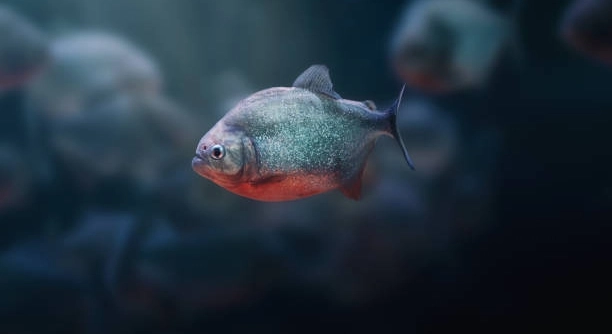
Have you ever been fascinated by piranhas and wondered if their fierce nature stays the same throughout their lives? These well-known fish are often seen as always aggressive, but is that really the full story?
Piranhas can become less aggressive with age due to changes in hormone levels, social behavior, and environmental factors. As they mature, some species display a decline in territorial and feeding aggression, especially outside breeding seasons.
While many still associate piranhas with their sharp teeth and group attacks, the reality of their behavior is more complex than it seems.
What Changes as Piranhas Get Older
As piranhas age, their bodies and habits go through some noticeable changes. Younger piranhas are usually more active, quicker to react, and more aggressive, especially in feeding situations. This behavior helps them survive in a competitive environment. Older piranhas, however, tend to move slower and may become more cautious. This can lead to a reduction in aggressive behavior. Hormone levels also shift as they mature, which can influence how they interact with other fish. In group settings, older piranhas often allow younger ones to lead during feeding, showing a calmer attitude. Environmental conditions like food availability and tank size in captivity can also affect how aggressive a piranha acts with age.
Older piranhas also show more social tolerance. They may swim in closer groups without showing signs of stress or biting. This change can make them easier to keep in tanks with others.
Behavioral studies show that aggression is not a fixed trait. Piranhas learn from past interactions, and older individuals may simply avoid fights they see as unnecessary. If they’ve learned that attacking other fish leads to injury or stress, they might choose to stay back. This doesn’t mean they are no longer dangerous, but their aggression becomes more selective and tied to real threats or food scarcity.
When Aggression Still Happens
Even older piranhas can act aggressively if they feel threatened or are in overcrowded spaces. Their instincts remain strong, especially when it comes to food or defending territory.
In the wild, aggression in aging piranhas often depends on the season and environment. During breeding seasons, for example, even older fish can become highly defensive. They might guard their eggs or space, even against other piranhas. In captivity, aggressive behavior is more likely if the tank is too small or lacks hiding spots. When food is limited, even calm fish may snap at others. These bursts of aggression are usually short-lived but still important to understand. For owners, it’s helpful to monitor tank conditions and feeding schedules to reduce stress. Piranhas are sensitive to light, water quality, and noise. Ensuring their environment is stable can help limit aggressive outbursts, even as they get older. Proper care and attention make a big difference in how these fish behave as they age.
What You Might Notice in Captivity
Older piranhas in tanks often seem calmer and less reactive. They might not rush to food like they used to and spend more time resting near plants or decorations. Their movements become slower, and they may avoid younger, more active fish altogether.
If you’ve kept piranhas for a while, you might notice these changes gradually. At first, it may seem like your fish is sick or tired, but this calmer behavior can just be a sign of aging. Older piranhas often choose not to engage in aggressive displays, especially if food is given regularly and there’s no competition. They might even share space more peacefully with other tank mates, especially those of similar size. Still, each piranha is different. Some may remain feisty longer than others. Watching how your fish acts over time can help you adjust care routines and avoid misreading their more relaxed behavior.
Feeding time can also highlight changes. While young piranhas may dart quickly to snatch food, older ones may hang back or wait until the frenzy is over. This can lead to them missing meals if not monitored. Spacing out food in different areas of the tank or using sinking pellets can help make sure everyone eats. You may also notice older piranhas becoming more tolerant during maintenance or water changes. Less darting and hiding is common. Providing a consistent and peaceful environment encourages this mellow behavior. It also helps reduce stress, which is important for the health of aging fish.
How Environment Plays a Role
Tank conditions have a big influence on how piranhas behave. If the space is too small or too crowded, even older piranhas can act out. Stress from poor water quality or lack of hiding spots can also increase aggression.
Giving your piranhas enough room and structure makes a big difference. Larger tanks with plants, rocks, and shaded areas allow older fish to rest and avoid others if they want to. Keeping water parameters stable—like temperature, pH, and filtration—reduces stress and lowers the chance of aggressive behavior returning. Feeding routines also help. If food is offered regularly and in enough quantity, there’s less reason for them to fight. Even the lighting matters. Soft lighting mimics natural settings and keeps the fish relaxed. Some keepers also use visual barriers, like tall plants or tank dividers, so piranhas can stay out of sight from one another if needed. These simple changes can help aging fish remain calm.
Signs That Aggression Is Returning
If older piranhas start showing sudden bursts of speed or snapping at tank mates during feeding, it could be a sign their aggression is returning. Other signs include guarding a certain spot, chasing others, or biting fins.
Changes in water temperature or poor tank conditions can also trigger aggression. Stress from loud noises or frequent disturbances around the tank might make older piranhas act out. Watching closely for changes in behavior helps prevent injuries and keeps the tank peaceful.
When It’s Best to Separate Them
Sometimes separation is the only option. If an older piranha repeatedly chases or injures others, it’s safer to move them to another tank. A divided setup works well too. This gives each fish its own space but keeps them visually connected. Tank dividers can help calm down aggressive behavior without full isolation.
Do All Piranhas Behave the Same?
Not all piranhas become less aggressive with age. Different species and individual personalities affect how they behave. Some stay more active and territorial, even when older.
Can piranhas really become less aggressive as they age?
Yes, many piranhas show a decrease in aggression as they grow older. This change happens because their hormones stabilize and their need to compete for food or territory lessens. Older piranhas often focus more on conserving energy than on fighting. However, this doesn’t mean they become completely harmless—older piranhas can still be protective or aggressive in certain situations, like during feeding or breeding.
What factors influence piranha aggression besides age?
Several things affect how aggressive piranhas behave. Tank size and crowding play a big role—small, overcrowded tanks can cause stress and trigger more fighting. Water quality is another important factor; poor conditions can make piranhas irritable. Feeding routines also matter—if food is scarce or unevenly distributed, aggression tends to increase. Even lighting and noise levels can influence how calm or agitated piranhas become.
Is it safe to keep older piranhas with younger ones?
It depends on the fish and environment. Older piranhas usually tolerate younger ones better, but there’s still a risk of bullying or aggression, especially if space is limited. Providing plenty of hiding spots and enough room can reduce conflicts. Some owners use tank dividers to keep different ages separate but visible, which helps balance social interaction with safety.
How can I tell if my older piranha is stressed or aggressive?
Signs of stress or aggression include chasing, biting, or hiding more than usual. You might see your piranha snapping at tank mates or suddenly darting around the tank. Stress can also cause a loss of appetite or dull coloring. Watching your fish’s behavior regularly will help you spot problems early and adjust tank conditions if needed.
Do piranhas need special care as they age?
Yes, older piranhas benefit from a stable environment with good water quality and regular feeding. They may eat less actively, so offering food in different ways—like sinking pellets or smaller pieces—can help. It’s important to keep the tank clean and maintain steady temperature and pH levels to prevent stress. Providing plenty of hiding places lets older fish rest and feel secure.
Can older piranhas breed?
Older piranhas can still breed, but their breeding behavior often comes with increased aggression, especially during nesting or guarding eggs. This can cause them to be more territorial and protective, sometimes leading to fights with other fish. Breeding behavior is natural, but it’s important to monitor them closely and be ready to separate fish if aggression becomes dangerous.
What should I do if aggression increases suddenly in my aging piranha?
If you notice sudden aggression, first check tank conditions like water quality, temperature, and space. Improving these factors can help calm your fish. If problems continue, try rearranging decorations to break up territories or use a tank divider to separate aggressive individuals. Feeding smaller meals more frequently can also reduce competition. Always keep a close eye on injuries or stress signs to prevent harm.
Is aggression linked to piranha species?
Yes, different species of piranhas have varying levels of natural aggression. Some, like the red-bellied piranha, are known for their sharp teeth and group hunting, which can mean higher aggression. Others tend to be calmer and less territorial. Knowing your piranha species helps you understand expected behavior and plan tank conditions to suit their needs.
Can changes in diet affect piranha aggression?
Diet plays a role in how piranhas act. A well-balanced diet with enough protein keeps them healthy and less likely to fight over food. Feeding only once a day or giving low-quality food can increase hunger-driven aggression. Variety in diet and feeding frequency helps keep their energy balanced and reduces stress-related behaviors.
How long do piranhas typically live, and does aggression change throughout their lifespan?
Piranhas generally live around 10 to 15 years in captivity. Aggression usually peaks when they are young and actively competing for food and territory. As they age, their energy levels drop, and they often become less aggressive. However, aggression can still occur if they feel threatened or stressed, especially during breeding or changes in their environment. Monitoring your piranha’s behavior as they grow helps you provide better care.
Older piranhas often show changes in how they behave compared to their younger selves. While they may become less aggressive with age, this is not a guarantee for every individual. Many factors affect their behavior, including environment, diet, and species differences. It’s important to remember that piranhas, even as they get older, can still react aggressively if they feel threatened or stressed. Their natural instincts don’t disappear completely with age, but they often become more selective about when to show aggression. Watching how your piranha acts over time can give you clues about their comfort and health.
Taking care of aging piranhas means paying attention to their environment and needs. A stable tank with clean water, enough space, and hiding places helps reduce stress and keeps them calmer. Feeding routines also matter — consistent, balanced feeding lowers the chance of fights over food. When older piranhas start showing signs of aggression, it may be time to adjust their surroundings or separate individuals to keep everyone safe. These small changes can improve their quality of life and help them live longer, healthier lives. It’s also useful to know your fish’s species since behavior and aggression levels vary between types of piranhas.
In the end, understanding your piranha’s behavior as it ages is key to successful care. Older piranhas are not simply “less aggressive” by default, but many do become calmer as they mature. By providing a peaceful, well-maintained environment, you support this natural shift in behavior. Being patient and observant will help you recognize when your piranha is comfortable or when something might be causing stress or conflict. This way, you can take action to keep your fish healthy and peaceful, no matter their age.

Hello,
If you enjoy the content that we create, please consider saying a "Thank You!" by leaving a tip.
Every little bit helps us continue crafting quality advice that supports the health, happiness, and well-being of pets around the world, for pets of all shapes, sizes, and species.
We really appreciate the kindness and support that you show us!