
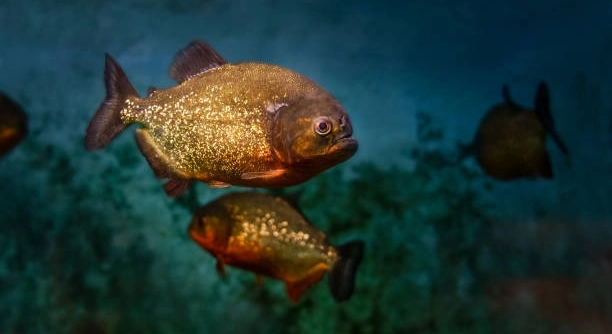
Your piranha’s reaction to your hand can be surprising, especially for new fish owners. These fish often respond quickly to movements near their tank, showing signs of curiosity or defense. Understanding this behavior helps build a better relationship with your pet.
Piranhas react to hands mainly due to their natural instincts. They perceive sudden movements as potential threats or food sources. This reaction is rooted in their survival behavior and hunting strategies, causing them to investigate or defend their territory quickly.
Knowing why your piranha acts this way can improve your care routine. This insight will help you interact more safely and confidently with your aquatic companion.
Why Piranhas Are Sensitive to Movement
Piranhas have evolved to be very alert to movement in their environment. In the wild, sudden motions could mean either danger or food. When your hand moves near the tank, the piranha’s natural instinct is to react quickly. This response helps them stay safe and ready to hunt. Their eyesight is sharp, allowing them to detect even small changes around them. In captivity, they don’t have to hunt for food constantly, but their instincts remain the same. This is why they may dart toward your hand or show aggressive behavior even if you mean no harm. Recognizing these natural behaviors can help reduce stress for both you and your fish.
The fish’s reaction is a survival mechanism that remains strong even in a controlled tank environment.
Understanding these instincts helps to manage your piranha’s behavior and improves your interactions.
How to Safely Interact With Your Piranha
Minimizing sudden movements near the tank reduces stress for your piranha. It is best to approach the tank slowly and calmly. Consistent feeding times also help the fish associate your presence with food, lowering defensive reactions. Using tools like feeding tongs can keep your hand safe and maintain distance. Avoid tapping the glass, which can frighten the fish and cause erratic behavior. Regular interaction in a gentle way encourages the piranha to become accustomed to you, but always remember their natural caution. Patience and careful handling create a safer environment for both the fish and owner.
Patience is key to building trust with your piranha.
By keeping movements predictable and calm, you can reduce the fish’s stress and create a more peaceful tank environment. Consistency helps the piranha recognize your presence as non-threatening. Additionally, maintaining proper tank conditions supports the fish’s well-being, which also lowers aggressive reactions. Always use care when cleaning or reaching into the tank, as sudden actions may provoke defensive behavior. Observing your fish closely allows you to learn its unique responses and tailor your approach accordingly. This thoughtful care helps ensure a healthy and balanced relationship with your aquatic pet.
Feeding Your Piranha by Hand
Hand feeding can encourage your piranha to recognize you and reduce its defensive behavior. It is important to stay calm and slow with your movements during feeding. Avoid sudden jerks or fast hand motions near the tank.
Start by offering food with your fingers or a tool to avoid accidental bites. Use small portions to prevent overfeeding and maintain water quality. Your piranha will gradually associate your hand with food, making it less likely to react aggressively. Always monitor your fish’s response and stop if it seems stressed. Hand feeding takes time and patience but can improve the bond between you and your fish.
Some owners find success using feeding tongs, which allow feeding at a safe distance while still providing the benefit of interaction. Consistency in feeding times helps the fish anticipate feeding and feel more secure. Proper hygiene before hand feeding is essential to avoid contaminating the tank with oils or lotions.
Signs Your Piranha Is Stressed
Stress in piranhas can show in many ways, such as frantic swimming or hiding. These signs often appear after aggressive reactions or poor tank conditions. It’s important to observe your fish regularly.
Stress can result from overcrowding, poor water quality, or sudden changes in the environment. When stressed, piranhas may refuse food or become overly aggressive. Stress weakens their immune system, making them more vulnerable to illness. Maintaining a stable environment, proper filtration, and regular cleaning reduces stress levels. Avoid sudden movements or tapping on the tank, which can increase anxiety. Recognizing early signs of stress helps you take quick action to improve conditions, promoting a healthier fish. Adjusting the tank setup or water parameters can greatly reduce stress factors.
Regular water testing and a proper diet also contribute to lowering stress. Stress management improves the overall lifespan and well-being of your piranha.
Understanding Piranha Behavior
Piranhas are naturally cautious and quick to react to changes in their environment. Their sharp instincts help them survive in the wild. This means they are often on alert, even in a tank setting.
This alertness can make them seem aggressive, but it is simply their way of protecting themselves and reacting to stimuli around them.
How Tank Setup Affects Reactions
A well-maintained tank with plenty of hiding spots helps reduce your piranha’s stress and aggressive reactions. Plants, rocks, and decorations create safe spaces where they can retreat. Proper water conditions also play a crucial role in keeping your fish calm and healthy.
Avoiding Common Mistakes
Sudden hand movements, tapping on the glass, or overcrowding often trigger defensive behavior in piranhas. Awareness of these factors can help prevent unwanted reactions and ensure a safer environment for your fish.
FAQ
Why does my piranha bite my hand even if I am not feeding it?
Piranhas may bite your hand out of instinct or curiosity, especially if your hand moves suddenly near the tank. They might mistake it for food or see it as a threat. It is important to keep your movements slow and steady to avoid triggering this reaction. Avoid placing your hand inside the tank unless necessary, and use feeding tools when possible to reduce risks.
Is it safe to put my hand in the tank with a piranha?
It is generally not recommended to put your hand inside a piranha tank. While some piranhas become accustomed to their owners, they remain wild animals with strong biting instincts. If you must reach inside, move carefully and avoid sudden motions. Use tools designed for aquarium maintenance whenever possible to reduce the chance of injury.
How can I tell if my piranha is aggressive or just curious?
Aggressive behavior usually involves quick, repeated lunges or biting attempts. Curiosity might look like slow following or inspecting without striking. Over time, you can learn your fish’s typical behavior and identify when it feels threatened versus simply exploring. Maintaining a calm environment helps reduce unnecessary aggression.
What should I do if my piranha bites me?
If bitten, immediately clean the wound with soap and water to prevent infection. Piranha bites can be sharp and may break the skin. Seek medical advice if the wound is deep or shows signs of infection. To avoid future bites, give the fish space and avoid placing your hand near the tank without proper precautions.
Can hand feeding reduce my piranha’s aggressive reactions?
Hand feeding can help your piranha associate your presence with positive experiences like food. This can reduce defensive responses over time. Start slowly, use small portions, and watch the fish’s behavior carefully. Consistency and patience are key to safely hand feeding your piranha.
Why does my piranha dart at the glass when I approach?
Piranhas may react to movement by darting at the glass as a defensive response. They see sudden actions as potential threats and respond by trying to scare off intruders. Avoid tapping or quick motions near the tank to minimize this behavior.
Does tank size affect how my piranha reacts to my hand?
Yes, a cramped tank can increase stress and aggression in piranhas. Larger tanks with hiding places give them room to feel safe and reduce defensive behaviors. Ensuring proper tank size is essential for their well-being and helps keep interactions calmer.
What kind of food should I offer to keep my piranha calm?
Piranhas need a varied diet that includes fresh or frozen fish, shrimp, and occasionally pellets designed for carnivorous fish. Proper nutrition keeps them healthy and less likely to be aggressive out of hunger. Avoid overfeeding, which can harm water quality and fish health.
How often should I feed my piranha?
Feed your piranha every other day or as recommended based on its size and age. Overfeeding can cause health problems and increase aggressive behavior. Regular feeding routines also help the fish anticipate food and reduce stress.
Can piranhas recognize their owners?
Piranhas can learn to recognize the presence of their owners, especially during feeding times. This recognition can reduce their defensive reactions but does not eliminate their natural instincts. Building trust takes time and gentle interaction.
Final Thoughts
Understanding why your piranha reacts to your hand is important for safe and positive interactions. These fish rely heavily on their instincts to protect themselves. Their reactions often come from a natural sense of caution rather than pure aggression. Recognizing this helps in managing your expectations and handling your piranha carefully. With patience, you can reduce sudden reactions by creating a calm and secure environment for your fish. This includes maintaining good tank conditions and establishing consistent feeding habits.
Hand feeding your piranha can be a useful way to build trust and lessen its defensive behavior. However, it requires careful and slow movements to avoid startling the fish. Using feeding tools or fingers cautiously helps keep both you and your piranha safe. Always be mindful of the fish’s body language and stop if it shows signs of stress or agitation. Consistent care and attention will gradually improve your relationship with your piranha, making feeding and interaction easier over time.
It is important to remember that piranhas remain wild animals, even when kept as pets. Their natural instincts cannot be fully removed, but they can be managed with proper knowledge and care. Providing a well-maintained tank, avoiding sudden movements, and respecting their space can greatly reduce unwanted reactions. By understanding these factors, you ensure a healthier and less stressful life for your piranha while also protecting yourself during interactions. The key is patience and respect for the nature of these fascinating fish.

Hello,
If you enjoy the content that we create, please consider saying a "Thank You!" by leaving a tip.
Every little bit helps us continue crafting quality advice that supports the health, happiness, and well-being of pets around the world, for pets of all shapes, sizes, and species.
We really appreciate the kindness and support that you show us!