
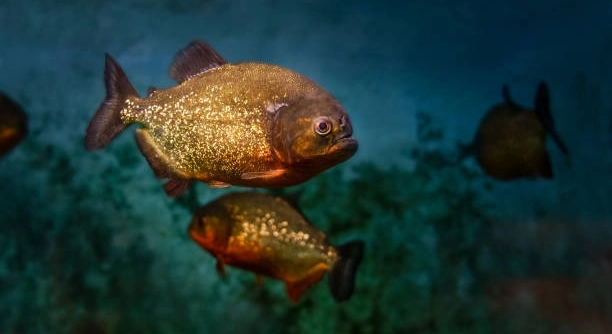
Have you ever looked into your piranha tank and felt unsure if the oxygen levels are right for your fish? Poor oxygenation can create serious health problems for your piranhas, even if everything else seems fine.
The most common signs of poor oxygenation in piranha tanks include gasping at the surface, sluggish behavior, reduced appetite, and sudden aggression. These behaviors typically indicate insufficient oxygen levels and must be addressed to prevent long-term health issues.
Learning how to spot these signs early can help you keep your piranhas healthy and stress-free in their aquatic home.
Gasping at the Surface
When piranhas swim to the surface and frequently open their mouths, they may be trying to get more oxygen. This behavior isn’t always playful or normal—it’s often a reaction to low dissolved oxygen in the water. In a properly oxygenated tank, piranhas usually swim mid-level or near the bottom, where they feel secure. When they break this pattern, it’s important to check oxygen levels immediately. Test kits and oxygen meters are helpful tools for confirming if the issue is oxygen-related. If left unresolved, this behavior can lead to stress and other complications for your piranhas.
Increased surface activity may look harmless, but it usually signals a drop in oxygen. This should not be ignored, especially if multiple fish show the same behavior.
Raising the oxygen level can often be done by adjusting water flow or adding an air stone. Make small changes, observe your fish closely, and retest the water regularly.
Sluggish Behavior and Lethargy
Piranhas that become slow or inactive may be reacting to poor oxygen levels. This drop in energy is often more than just resting—it can point to a serious problem with your tank’s environment.
When oxygen levels fall, your fish may start conserving energy to survive. They may stay in one spot longer, stop chasing food, or avoid other fish. Unlike occasional resting, which is normal, constant sluggishness should be taken seriously. Other signs may include weak fin movement or a general lack of interest in their surroundings. Always check your filter and make sure it’s not clogged or underperforming. A weak filter reduces oxygen exchange, especially in larger tanks. Aeration devices can help restore balance, but changes should be made slowly to avoid shocking the system. Regular water changes, avoiding overfeeding, and checking for dead plants or decaying matter will also support healthy oxygen levels and active behavior.
Reduced Appetite
A sudden drop in appetite is often a sign that oxygen levels are too low. Piranhas rely on adequate oxygen to digest food properly, and without it, they may lose interest in eating altogether or only nibble at their meals.
Poor oxygenation slows down your fish’s metabolism. As a result, your piranhas may not respond to food the way they usually do. You might notice leftover food sitting untouched at the bottom of the tank, which can further lower water quality. Regular feeding habits make it easier to notice appetite changes, so keeping a simple feeding log can help. If more than one fish skips meals and all other conditions are normal, oxygen should be one of the first things you check. Look for patterns and monitor your filtration and aeration systems to keep everything running smoothly.
It’s important not to force feeding when oxygen levels are low. Instead, focus on improving water circulation and removing any waste quickly. Check the temperature, as warmer water holds less oxygen, which can further reduce appetite. Consider using a sponge filter or air-driven system that boosts oxygen without creating harsh currents. Once your tank stabilizes, your piranhas will likely return to their normal feeding behavior without needing drastic changes.
Unusual Aggression
Sometimes low oxygen leads to sudden aggression in piranhas. When oxygen levels drop, fish can become stressed, and this stress may trigger defensive or territorial behavior, especially in more confined or crowded spaces.
Oxygen shortages disrupt the balance in a tank, making piranhas feel threatened. Instead of calmly swimming or hiding, they might start chasing or nipping at tank mates. This behavior is especially common when fish compete for areas with slightly better oxygen levels, like near filters or air stones. You may notice dominant fish becoming even more aggressive, while others hide or shake. These changes can also result in minor injuries, increasing the risk of infection. To reduce conflict, improve circulation throughout the tank and reduce lighting to lower stress. It’s also useful to temporarily rearrange decorations to break territorial patterns. Watch their behavior closely after making changes, and make sure your oxygen levels stay consistent during adjustments.
Rapid Gill Movement
Piranhas showing fast or exaggerated gill movement are often working harder to take in oxygen. This is one of the most visible signs of poor oxygenation and usually happens before other symptoms begin to show in the tank.
Watch for gills moving more than usual, especially when the fish are still. Normal breathing should be smooth and steady. When oxygen is low, gill movement becomes quick and strained. This can cause long-term stress and weaken the immune system if not corrected promptly.
Hanging Near Filter Outlets
Piranhas often gather near the filter output when oxygen levels are low. These areas have more water movement and slightly higher oxygen concentration. This behavior means the rest of the tank may not be getting enough circulation.
Pale or Discolored Fins
Discoloration, especially in the fins, can indicate oxygen stress. Pale or faded fins happen when blood flow decreases due to low oxygen. If caught early, this can be reversed with better aeration and proper tank maintenance.
FAQ
How can I test the oxygen levels in my piranha tank?
Testing oxygen levels can be done with a dissolved oxygen test kit or an electronic oxygen meter. Test kits usually involve dipping a strip or vial into the water and comparing the color change to a chart. Electronic meters provide a digital reading for more precise measurements. Regular testing is recommended, especially if you notice any warning signs. Maintaining oxygen levels between 5 to 7 mg/L is generally healthy for piranhas, but check specific species requirements.
What causes low oxygen in a piranha tank?
Low oxygen is often caused by poor water circulation, overcrowding, or high water temperature. Organic waste like uneaten food and decaying plants can also reduce oxygen through increased bacteria activity. A clogged filter or insufficient aeration devices worsen the problem. Balancing the number of fish with tank size and ensuring proper maintenance helps prevent oxygen depletion.
Can plants in the tank help improve oxygen levels?
Yes, live plants produce oxygen through photosynthesis during the day, which can boost oxygen levels. However, they consume oxygen at night, so too many plants or poor lighting can sometimes reduce oxygen overnight. Balance plants with good aeration and water movement to maintain steady oxygen levels around the clock.
Is water temperature related to oxygen levels?
Warmer water holds less oxygen than cooler water. If your tank’s temperature rises above the ideal range for piranhas, oxygen levels can drop, stressing the fish. Maintaining a stable temperature between 75°F and 80°F helps keep oxygen levels adequate. Avoid placing tanks near heat sources or in direct sunlight.
How often should I aerate my tank?
Aeration should be continuous, especially in tanks with many fish or limited surface area. Air stones, bubble walls, or filters that cause surface agitation help oxygenate the water consistently. Turning aeration off, even briefly, can cause oxygen to drop quickly. A steady supply of oxygen is crucial for piranha health.
What should I do if my piranhas are showing signs of poor oxygenation?
First, increase aeration and water circulation immediately. Check and clean your filter, remove any decaying matter, and do a partial water change if needed. Lower the temperature slightly if it’s too warm. Observe the fish closely to see if symptoms improve. If problems persist, consider reducing the number of fish or upgrading your tank equipment.
Can overcrowding cause oxygen problems?
Yes, overcrowding increases oxygen demand and waste production, leading to rapid oxygen depletion. Each fish needs sufficient space and clean water to thrive. Follow recommended stocking levels and upgrade to a larger tank if needed. Overcrowding can quickly lead to stress and disease.
Are there signs of long-term oxygen deprivation in piranhas?
Long-term oxygen deprivation can cause stunted growth, weakened immune response, and faded colors. Fish may develop fin rot or other infections due to stress. Continuous poor oxygenation eventually results in increased mortality. Early detection and correction are key to preventing these outcomes.
Can I use chemical oxygen supplements?
Chemical oxygen supplements can provide a short-term boost in emergency situations but are not a substitute for proper aeration and filtration. Overuse can cause water chemistry imbalances. Use them cautiously and focus on fixing underlying causes.
How do I maintain good oxygen levels during the night?
Ensure your tank has sufficient surface agitation even when lights are off. Using an air pump or filter that runs 24/7 keeps oxygen circulating. Live plants alone aren’t reliable at night since they consume oxygen without photosynthesis. Consistent equipment operation is essential.
Is it normal for piranhas to gather at the surface sometimes?
Occasional surface gathering can be normal during feeding or specific behaviors. However, frequent or prolonged surface gasping often indicates low oxygen. Always consider this behavior alongside other signs before concluding there is a problem.
Can water changes improve oxygenation?
Yes, regular water changes remove waste and introduce fresh, oxygen-rich water. Partial water changes of 20-30% weekly are typical. Avoid changing too much at once to prevent stress and maintain stable water parameters.
What type of filtration is best for oxygenation?
Filters that promote surface agitation and water movement help oxygenate the tank. Canister filters, hang-on-back filters, and sponge filters are effective options. Choose a filter sized appropriately for your tank and clean it regularly to maintain efficiency.
How can I prevent oxygen problems in a new piranha tank?
Start with a properly cycled tank, add fish slowly to avoid overcrowding, and set up adequate filtration and aeration from the beginning. Monitor water parameters frequently and maintain good tank hygiene. Early prevention reduces risks and supports healthy fish growth.
Can piranhas survive short periods of low oxygen?
Piranhas can tolerate brief drops in oxygen but repeated or extended low oxygen exposure causes stress and health decline. Sudden changes in oxygen levels are more harmful than consistent low levels, so stable conditions are always better.
Is there a way to increase oxygen quickly in an emergency?
Increasing aeration with an air stone, adding a battery-operated air pump, or performing a partial water change with fresh, oxygenated water can help quickly raise oxygen. Avoid overcrowding and reduce feeding during emergencies to lower oxygen demand.
Final Thoughts
Maintaining proper oxygen levels in a piranha tank is essential for the health and well-being of the fish. Poor oxygenation can lead to stress, illness, and even death if not addressed promptly. Regular monitoring and understanding the warning signs can help prevent these problems. It is important to remember that oxygen levels can be affected by many factors, such as tank size, water temperature, filtration, and the number of fish. Ensuring these elements are balanced will create a safer environment for piranhas to thrive.
Simple steps like improving water circulation, keeping the tank clean, and providing adequate aeration can make a significant difference in oxygen levels. Equipment like air pumps, filters, and air stones helps maintain a steady supply of oxygen. It is also important to avoid overcrowding the tank and to control water temperature within a suitable range. Paying attention to your fish’s behavior, such as rapid gill movement or gathering near filter outlets, can give early clues about oxygen problems. Acting quickly when these signs appear can prevent more serious issues.
Overall, keeping piranhas healthy requires consistent care and observation. Oxygenation is one of the most critical factors that affects their overall condition. With proper tank maintenance and attention to warning signs, piranha owners can reduce stress and promote long-term health in their aquatic pets. Taking these precautions ensures a stable, well-oxygenated environment, helping the fish live comfortably and actively for many years.

Hello,
If you enjoy the content that we create, please consider saying a "Thank You!" by leaving a tip.
Every little bit helps us continue crafting quality advice that supports the health, happiness, and well-being of pets around the world, for pets of all shapes, sizes, and species.
We really appreciate the kindness and support that you show us!