
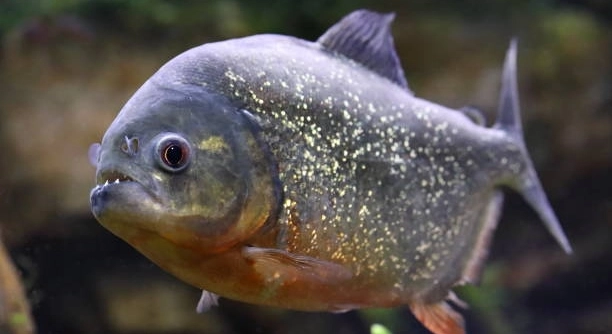
Caring for a piranha can be an interesting experience, especially as it grows older. Many owners notice changes in behavior and needs when their piranha reaches maturity. Knowing what to expect helps provide better care for this unique fish.
When a piranha reaches maturity, it often becomes more territorial and aggressive. Its dietary needs may change, requiring more protein-rich food, and it will need a larger, well-maintained tank to support its growth and health.
Learning about these changes will help you prepare and maintain a healthy environment for your mature piranha, ensuring a balanced and safe home for your aquatic pet.
Physical Changes in Mature Piranhas
As your piranha matures, you will notice it grows larger and its body becomes more robust. Its teeth become sharper and more pronounced, reflecting its natural predatory instincts. The colors may deepen, especially around the fins and head, showing the fish’s health and vitality. Growth rates vary depending on diet and tank conditions, so providing proper nutrition and a clean environment is essential. A mature piranha can reach up to 12 inches or more, requiring ample space to swim comfortably. This physical development often means your fish will become more active and may display territorial behaviors to protect its space in the tank.
These changes show that your piranha is reaching full maturity and adapting to its environment.
Observing these physical signs helps you adjust care routines to meet your piranha’s growing needs. Proper tank size and balanced feeding are key to supporting its healthy development.
Behavior and Social Interaction
Mature piranhas often become more territorial, especially if housed with other fish. They may show aggression toward tank mates and sometimes even their own species. This behavior is natural, as they protect their area and compete for food. It is important to monitor interactions and provide hiding spots to reduce stress. Keeping them in groups requires careful planning to avoid fights and injuries.
Aggression increases as the fish matures, demanding changes in tank management.
To manage this, ensure your tank is large enough to accommodate their size and territorial nature. Frequent water changes and a secure environment can reduce stress. Feeding high-protein food in measured amounts helps maintain their health and temper. Watching their behavior regularly allows timely intervention if conflicts arise. With the right setup, mature piranhas can thrive without constant fights, making tank life smoother for both the fish and the owner.
Tank Requirements for Mature Piranhas
A mature piranha needs a larger tank than a juvenile fish. At least a 75-gallon tank is recommended for one adult piranha to swim comfortably. The tank should have sturdy decorations and hiding places to reduce stress.
Proper filtration is essential because mature piranhas produce more waste. Clean water keeps them healthy and active. Temperature should be stable, ideally between 75-80°F, mimicking their natural habitat. Regular water testing helps maintain a safe environment. Avoid overcrowding to minimize aggressive behavior and stress, which can lead to illness.
Besides size and water quality, lighting should be moderate to mimic river conditions. Plants or driftwood provide shelter and break lines of sight between fish. These features help reduce territorial disputes and encourage natural behavior, making the tank more balanced for mature piranhas.
Feeding Mature Piranhas
Mature piranhas require a protein-rich diet to maintain their energy and health. Feeding them live or frozen fish, shrimp, and insects replicates their natural diet. Avoid overfeeding, as it can lead to poor water quality and health issues.
Feeding frequency should be once every other day to prevent obesity and stress. Offer a variety of foods to meet their nutritional needs, including occasional pellets designed for carnivorous fish. Removing uneaten food promptly helps maintain water cleanliness and prevents harmful bacteria growth. Fresh, balanced nutrition supports their immune system and promotes vibrant colors.
Providing proper feeding routines encourages natural hunting instincts. It also keeps them physically fit and mentally stimulated. Adjusting diet based on age and activity level helps manage their growth and reduces aggression caused by hunger or boredom.
Health Concerns in Mature Piranhas
Mature piranhas can develop health issues like fin rot, parasites, or bacterial infections. These problems often arise from poor water quality or stress.
Regular tank maintenance and observation help catch these issues early. Prompt treatment is important to prevent serious harm or death.
Signs of Stress in Adult Piranhas
Stress in mature piranhas may show as lethargy, loss of appetite, or unusual swimming patterns. They might hide more often or display excessive aggression. Recognizing these signs early allows for quick changes in care to improve their well-being.
Adjusting Care as Your Piranha Ages
As your piranha grows older, adjust feeding portions and tank size accordingly. Monitor behavior closely to catch any health or stress issues. Keeping conditions stable will help your fish live a long, healthy life.
Breeding Mature Piranhas
Breeding mature piranhas requires specific tank setups and conditions. It is best done with experienced guidance due to their aggressive nature and complex breeding behaviors.
FAQ
How large will my piranha grow when fully mature?
Most mature piranhas reach between 10 and 12 inches in length, though some species may grow slightly larger. Growth depends on factors like diet, tank size, and overall care. Providing enough space and proper nutrition encourages healthy development and prevents stunted growth.
What changes should I expect in behavior as my piranha matures?
Mature piranhas tend to become more territorial and aggressive, especially toward other fish. They may establish dominance and defend their space strongly. This behavior is natural and linked to their instincts. To reduce conflicts, provide hiding spots and enough room in the tank.
How often should I feed my mature piranha?
Feeding every other day is usually best for adult piranhas. Overfeeding can cause water quality problems and health issues like obesity. Offer protein-rich foods such as live or frozen fish, shrimp, and specially formulated carnivore pellets, rotating different options for balanced nutrition.
Can I keep mature piranhas with other fish?
It’s risky to keep mature piranhas with other species due to their aggressive and territorial nature. If housed together, ensure the tank is large with plenty of hiding places to minimize fights. Often, it’s safer to keep mature piranhas alone or in carefully managed groups of the same species.
What tank size is recommended for a mature piranha?
A minimum of 75 gallons is recommended for one adult piranha. Larger tanks allow for better swimming space and reduce aggression caused by overcrowding. If you plan to keep multiple piranhas, the tank size should increase significantly to accommodate their territorial behavior.
How do I maintain water quality for mature piranhas?
Regular water changes, strong filtration, and monitoring of water parameters like pH, ammonia, and nitrate levels are essential. Stable temperatures between 75-80°F help mimic their natural environment. Keeping the tank clean prevents diseases common in stressed or weak fish.
What are common health problems in mature piranhas?
Mature piranhas can suffer from fin rot, parasites, and bacterial infections, especially if water conditions are poor. Stress and injury from fights also weaken their immune systems. Early signs include faded colors, damaged fins, or unusual swimming. Prompt treatment improves outcomes.
How can I tell if my piranha is stressed?
Stress signs include hiding more than usual, loss of appetite, lethargy, or sudden aggressive bursts. Unusual swimming patterns, like darting or resting at the bottom, also indicate discomfort. Addressing tank conditions and reducing stressors quickly helps keep your piranha healthy.
Should I change the tank setup as my piranha grows?
Yes, as your piranha grows, you’ll need to upgrade the tank size and adjust decorations for hiding places and territory boundaries. Strong decorations and plants help reduce aggression by breaking lines of sight. Proper setup improves their quality of life.
Is it possible to breed mature piranhas at home?
Breeding piranhas is challenging and requires precise conditions. They need a suitable tank setup with controlled water parameters and careful pairing. Because of their aggression, breeding is recommended only for experienced keepers. The process involves monitoring behavior closely and providing proper care for eggs and fry.
What diet changes occur as a piranha matures?
Young piranhas eat smaller prey like insects and tiny fish, while adults require larger, protein-rich food. Mature piranhas benefit from a diet with varied meats, including frozen or live fish and crustaceans. This supports their energy needs and sharpens their natural hunting skills.
How can I reduce aggression in a mature piranha tank?
Providing a spacious tank with hiding spots and visual barriers helps reduce fights. Feeding a varied, protein-rich diet regularly also lessens hunger-driven aggression. Avoid overcrowding and separate fish if aggressive behavior escalates to protect their health and safety.
Mature piranhas require special attention compared to their younger stages. Their physical growth, behavioral changes, and dietary needs all evolve as they reach adulthood. It is important to adjust their care accordingly to keep them healthy and comfortable. A larger tank, better water quality, and a diet rich in protein become essential parts of their daily care routine. Understanding these changes helps create a stable environment that supports their natural behaviors without causing excessive stress or aggression.
Keeping a mature piranha means being ready to handle their territorial nature and occasional aggression. Providing plenty of hiding spots and enough space can reduce conflicts, but close observation is necessary to ensure the fish are not harming each other. Regular tank maintenance and monitoring water conditions also play a big role in preventing health issues. Stress can weaken a piranha’s immune system, making it more vulnerable to diseases. By staying consistent with care and addressing problems early, you can help your piranha live a longer and healthier life.
Feeding is another important factor to consider as your piranha matures. Offering a varied, protein-rich diet supports their energy levels and physical development. Avoid overfeeding to prevent water quality issues and health problems such as obesity. Paying attention to your piranha’s behavior and appetite will guide you in making necessary adjustments. With proper care, patience, and attention to detail, mature piranhas can thrive and remain fascinating pets. Taking these steps ensures a balanced and respectful relationship with your fish throughout its life.

Hello,
If you enjoy the content that we create, please consider saying a "Thank You!" by leaving a tip.
Every little bit helps us continue crafting quality advice that supports the health, happiness, and well-being of pets around the world, for pets of all shapes, sizes, and species.
We really appreciate the kindness and support that you show us!