
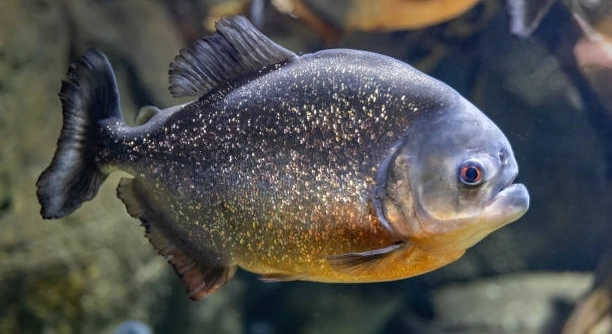
Many people find piranhas fascinating because of their sharp teeth and quick movements. These fish live in rivers where their environment changes often. Understanding how piranhas sense their surroundings can help us learn more about their behavior.
Piranhas can react to room vibrations because they are sensitive to changes in water movement and pressure. Their lateral line system detects vibrations, allowing them to respond quickly to nearby disturbances, which is crucial for survival and hunting in their natural habitat.
Knowing how piranhas respond to vibrations gives insight into their natural instincts and can improve how we care for them in captivity. This information also helps in understanding how they interact with their environment more clearly.
How Piranhas Sense Vibrations in Water
Piranhas have a special organ called the lateral line system, which runs along their sides. This system helps them detect small changes in water movement, like vibrations caused by nearby creatures or objects. When something moves or causes ripples, the piranha can feel it and know there is something close. This ability is important because piranhas often live in murky water where sight is limited. By sensing vibrations, they can locate food or detect danger even without seeing it clearly. This system works much like an early warning device, giving piranhas a quick response time. They can swim toward prey or swim away from threats almost immediately. Their sensitivity to vibrations also helps them communicate with each other and stay alert in groups. This natural skill is part of what makes piranhas efficient hunters in their river habitats.
The lateral line system is so sensitive that even small taps on the water’s surface can get their attention. This makes them very aware of their environment.
Knowing how piranhas detect vibrations can help people who keep them in tanks avoid stressing the fish. Sudden movements or loud noises near the tank can cause unnecessary agitation. Providing a calm and stable environment reduces stress and helps keep piranhas healthy. If you want your piranha to behave normally, try to minimize strong vibrations around its tank. Understanding their natural senses means better care and a safer space for these fish.
Effects of Room Vibrations on Piranhas
Piranhas react to vibrations from outside the water because these vibrations travel through the tank and the water inside it. When someone walks nearby, taps the tank, or causes other disturbances, the fish pick up on these signals. This can make them swim nervously or become more alert. Too many sudden vibrations may cause stress, which affects their health over time. Stress can weaken their immune system and make them less active. It’s important to keep their living area as peaceful as possible to avoid these issues.
Controlling the environment around the tank is key to helping piranhas stay calm and healthy.
If you have a piranha tank in a busy room, vibrations from footsteps, loud talking, or moving furniture can reach the water. These vibrations might make your piranhas behave differently than usual. They might hide more or swim faster. Unlike humans, piranhas rely heavily on these signals to understand their surroundings. So, when the room is too noisy or shaky, they get confused or scared. Reducing strong vibrations near their tank means fewer disturbances for the fish. You can place the tank on a sturdy stand or use vibration-absorbing mats underneath. Keeping a quiet environment benefits the fish’s wellbeing and makes watching them more enjoyable. This knowledge helps anyone interested in piranhas maintain a better habitat for these sensitive creatures.
Common Sources of Room Vibrations Affecting Piranhas
Common sources of room vibrations include footsteps, loud voices, and moving furniture. Appliances like washing machines or speakers can also send vibrations through floors and walls. These vibrations travel through the tank and water, making piranhas aware of activity even if they can’t see it directly.
Household activities often create constant low-level vibrations that piranhas pick up. Even small impacts like closing doors or dropping items near the tank can trigger their senses. This sensitivity means piranhas may react unexpectedly to normal daily noises. Over time, frequent vibrations might lead to stress, affecting their health and behavior. People who keep piranhas need to be mindful of these factors to reduce disturbances. Placing the tank in a quieter part of the home or using cushioning materials under the tank can help lessen vibration impact. Creating a calm environment promotes better well-being for the fish.
In some cases, construction or heavy traffic outside the building can also cause strong vibrations. These are harder to control but should be considered when setting up a piranha tank. Monitoring your piranha’s behavior can help identify when vibrations are becoming a problem.
How to Minimize Vibrations Around Your Piranha Tank
To minimize vibrations, place the tank on a sturdy surface that does not shake easily. Use vibration-absorbing mats or pads under the tank stand. Avoid placing the tank near doors, windows, or heavy foot traffic areas.
Another way to reduce vibrations is by controlling noise levels around the tank. Keep loud conversations, music, or appliances away from the fish’s environment. If possible, set up the tank in a room where activities are less frequent or quieter. Soft flooring like carpet can help absorb sound and vibrations better than hard surfaces. These small changes can make a big difference in how calm your piranhas stay.
You can also try adding plants or decorations inside the tank that help break up water movement caused by vibrations. This reduces stress by creating a more natural and stable environment. Taking these steps shows respect for how sensitive piranhas are to their surroundings and improves their overall health and comfort.
Signs Your Piranha Is Reacting to Vibrations
If your piranha suddenly swims erratically or hides more often, it may be reacting to vibrations. Watch for quick darting movements or unusual aggression, which can be signs of stress caused by external disturbances.
Other signs include decreased appetite and less interaction with the environment. These behaviors often indicate that vibrations are affecting your fish’s comfort and well-being.
How to Observe Your Piranha’s Reaction
Spend time quietly watching your piranha in its tank during different household activities. Notice any changes in behavior when there are loud noises, footsteps, or when the tank is touched. This will help you identify specific vibration sources affecting your fish.
The Role of Tank Setup in Vibration Sensitivity
The tank’s location and setup greatly influence how much vibration your piranha feels. A well-placed tank with sturdy support can reduce the impact of room vibrations. Proper setup helps create a stable environment for your fish.
Using Decorations to Reduce Stress
Adding plants, rocks, or other decorations can help lessen the effect of vibrations inside the tank. These create hiding spots and break up water movement, making the environment feel safer for your piranha.
FAQ
Can piranhas sense vibrations from outside the tank?
Yes, piranhas can sense vibrations coming from outside the tank because these vibrations travel through the tank’s material and water. Their lateral line system picks up these changes, making them very aware of activity even if it is not inside their water directly.
Why do piranhas react strongly to vibrations?
Piranhas rely on sensing water movements to detect food, predators, and other fish. Vibrations are important survival signals for them. When they feel sudden or strong vibrations, it triggers their natural instinct to react quickly, either by swimming away or becoming alert.
Can room vibrations stress my piranhas?
Constant or strong vibrations can cause stress for piranhas. Stress lowers their immune system, making them more prone to illness. It can also change their normal behavior, such as causing aggression, hiding, or loss of appetite.
How can I tell if vibrations are stressing my piranha?
Look for signs like erratic swimming, frequent hiding, lack of interest in food, or unusual aggression. These behaviors may indicate your fish is uncomfortable due to vibrations or other environmental stressors.
What can I do to reduce vibrations around my piranha tank?
Place the tank on a sturdy, vibration-free surface. Use vibration-absorbing mats or pads beneath the stand. Avoid placing the tank near heavy foot traffic, loud appliances, or doors that often slam. Creating a calm environment helps keep vibrations low.
Do decorations inside the tank help with vibration stress?
Yes, plants, rocks, and other decorations can break up water movement caused by vibrations. They provide hiding places and create a more stable environment, helping piranhas feel safer and less stressed.
Can loud noises affect my piranhas?
Loud noises can cause vibrations in the water, which piranhas can detect. These sounds may stress the fish or cause sudden reactions. Keeping noise levels down near the tank is important for maintaining a calm habitat.
Is it normal for piranhas to react quickly to small vibrations?
Yes, it is normal. Piranhas have evolved to be very sensitive to even small vibrations because it helps them detect prey and avoid danger. Their quick responses are part of their natural behavior.
Will reducing vibrations improve my piranha’s health?
Reducing vibrations lowers stress and supports better overall health. A calm environment encourages normal behavior, feeding, and reduces the chance of disease. It’s a simple but effective way to care for your piranhas.
Can vibrations cause piranhas to become aggressive?
Yes, stress from vibrations can sometimes trigger aggression. Piranhas may act defensively or become more territorial if they feel threatened by constant disturbances.
Should I move my tank if it is near a vibration source?
If possible, yes. Moving the tank to a quieter, more stable location can reduce vibration exposure. If moving isn’t an option, try adding cushioning or soundproofing around the tank to lessen the effects.
How do I know if my tank setup is good against vibrations?
A good setup is stable, placed on a firm surface, away from noise and foot traffic. The tank should not wobble or shake when touched. Adding mats or foam can also help absorb vibrations. Observing your fish’s behavior can confirm if the setup is effective.
Are some piranhas more sensitive to vibrations than others?
Individual fish may vary slightly in sensitivity, but generally, all piranhas have a strong ability to sense vibrations. Younger or more nervous fish might react more noticeably, but sensitivity is a shared trait.
Can vibrations from outside the house affect piranhas?
Yes, strong vibrations from construction, heavy traffic, or machinery outside can sometimes be felt in the tank. While these are harder to control, minimizing indoor vibrations can help balance the overall environment.
Does water depth in the tank affect how vibrations are felt?
Water depth can influence how vibrations travel, but piranhas can detect movements through the entire water column. Deeper water may slightly reduce the strength of some vibrations, but their lateral line remains very effective.
Are there ways to train piranhas to ignore vibrations?
Piranhas cannot really be trained to ignore vibrations because it is a natural survival sense. However, consistent low-level vibrations may become less startling over time, but sudden or strong vibrations will always trigger a response.
Piranhas are naturally very sensitive to vibrations because they depend on these signals to understand their surroundings. Their lateral line system allows them to detect even small movements in the water, which helps them find food and avoid danger. Because of this, vibrations coming from outside their tank, like footsteps or loud noises, can affect them more than you might expect. This sensitivity means that the environment around the tank plays an important role in how comfortable and healthy piranhas remain. When vibrations are too frequent or strong, the fish may become stressed, which can lead to changes in their behavior or health problems.
Creating a calm and stable environment for piranhas is key to helping them feel secure. Simple steps like placing the tank on a firm surface, using mats to reduce shaking, and keeping the area quiet can make a big difference. Adding decorations inside the tank, such as plants and rocks, also helps reduce the effects of vibrations by breaking up water movement and providing hiding spots. These small changes show respect for the piranhas’ natural instincts and needs. When piranhas are less stressed, they behave more normally and stay healthier, making it easier for you to enjoy watching them.
Understanding how piranhas react to room vibrations helps anyone who cares for these fish provide a better habitat. It also highlights the importance of paying attention to the fish’s behavior and environment. By minimizing vibrations and creating a peaceful setting, you support the well-being of your piranhas over time. This knowledge is valuable whether you are new to keeping piranhas or have had them for a while. Taking care of their environment is a simple but effective way to ensure they live a longer, healthier life.

Hello,
If you enjoy the content that we create, please consider saying a "Thank You!" by leaving a tip.
Every little bit helps us continue crafting quality advice that supports the health, happiness, and well-being of pets around the world, for pets of all shapes, sizes, and species.
We really appreciate the kindness and support that you show us!