
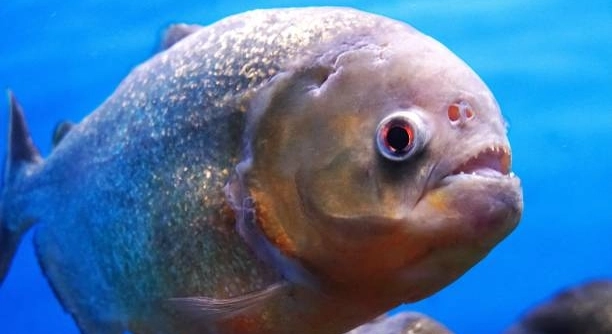
Piranhas can show different behavior at night compared to the daytime. These changes often confuse many fish owners who notice unusual activity or restlessness in their tanks. Understanding these shifts can help improve care for these fascinating creatures.
Piranhas are naturally more active and alert during nighttime due to their crepuscular and nocturnal tendencies. They rely on limited light to hunt and explore, which explains their increased movement and altered behavior in darker conditions.
Knowing why your piranha acts differently at night can help you create a better environment for its natural rhythms and overall well-being. This insight will guide you in supporting your pet’s health and comfort effectively.
Understanding Piranha Behavior at Night
Piranhas naturally change their behavior once the lights go down. Unlike during the day when they might be more calm or resting, night time triggers their hunting instincts. These fish are crepuscular and nocturnal, meaning they are more active during dawn, dusk, and night. In the wild, piranhas use the low light to their advantage for hunting smaller fish and avoiding predators. In a home aquarium, the environment is safer, but their instincts remain. You might notice them swimming more quickly, exploring corners, or even being more aggressive. Their eyes are adapted to see well in dim light, which helps them navigate and find food during these hours. Understanding these natural rhythms can ease concerns about sudden changes in activity and help owners provide a comfortable habitat that respects their piranhas’ needs.
Nighttime activity is a natural and healthy part of piranha behavior. It does not usually signal a problem.
By observing their patterns, you can better time feeding and tank maintenance to match your piranha’s active periods. Providing some dim lighting or hiding spots can make night hours feel safer and more natural for them. This approach helps reduce stress and supports their health over time.
Environmental Factors Affecting Night Behavior
Changes in the tank environment often influence how piranhas behave at night.
Lighting, water temperature, and tank mates all play important roles in their nighttime activity. Sudden changes in lighting, such as flickering or being too bright at night, may confuse or stress your fish. Similarly, temperature shifts can affect their metabolism and movement. If the water is too cold or too warm, piranhas might become restless or lethargic. Tank mates can also influence behavior; aggressive or noisy companions might provoke defensive responses after dark. Keeping these factors stable creates a calming atmosphere that helps piranhas follow their natural habits. Regular checks and gentle adjustments ensure the environment supports their comfort without startling them.
Proper lighting means dim or no lights during the night to mimic their natural habitat. Maintaining stable temperatures between 75-80°F keeps them comfortable and active without stress. It’s best to keep compatible tank mates to avoid conflict and create a peaceful environment. These steps help maintain balance in the tank so your piranha can thrive. Observing your fish closely over time will help identify which environmental tweaks make the biggest difference. Adjustments are simple but can improve your piranha’s well-being significantly.
Feeding Habits at Night
Piranhas often become more active around feeding time, especially at night. Their natural instincts push them to hunt or scavenge during low light periods.
In aquariums, night feeding can trigger bursts of energy and quick movements. Piranhas rely on their sharp senses to detect food, so even small changes in feeding routines affect their behavior. If they are fed right before or during nighttime, expect them to be alert and sometimes aggressive. Offering food at consistent times helps regulate their activity and reduces stress caused by hunger or anticipation. Overfeeding, however, can lead to lethargy or water quality issues that also affect their behavior.
Adjusting feeding times to match their natural rhythm improves their health and activity balance. Using sinking pellets or occasional live food at night engages their instincts and encourages natural hunting behavior. This keeps them stimulated and satisfied, reducing erratic nighttime movement caused by hunger or boredom.
Impact of Stress on Night Behavior
Stress is a key factor influencing piranha activity after dark. Sudden noise, rough handling, or changes in their environment can make them restless.
Stress triggers a fight-or-flight response that causes piranhas to swim rapidly or hide more than usual. They might also nip at tank mates or display unusual aggression. Stress can come from overcrowded tanks, poor water quality, or incompatible companions. Ensuring a calm environment with stable conditions helps lower stress levels. Quiet surroundings and gentle handling during tank maintenance reduce anxiety.
To minimize stress, monitor water parameters closely and perform regular cleanings. Avoid sudden lighting changes or tapping on the glass. Providing plants, caves, or other hiding places lets piranhas retreat when needed, promoting a sense of security. These small changes create a peaceful environment where piranhas can rest and behave normally, especially at night.
Light and Darkness Influence
Piranhas respond strongly to changes in light. Dimming the tank lights signals night, triggering their natural nocturnal behavior.
Bright lights at night can confuse or stress them, causing erratic swimming or hiding. A consistent light schedule supports their internal clock and reduces unnecessary activity.
Tank Setup and Nighttime Behavior
The tank’s layout directly affects how comfortable piranhas feel at night. Providing plenty of hiding spots, like plants and caves, helps them feel secure in the dark. Without enough cover, they may become more anxious and restless.
Proper decorations also break lines of sight between fish, reducing aggression. A well-structured tank allows piranhas to exhibit natural behaviors and lowers nighttime stress.
Water Quality’s Role
Poor water quality can make piranhas uncomfortable and more active at night. High ammonia or nitrite levels irritate them, causing unusual swimming or gasping.
Feeding Schedules Impact
Feeding your piranha consistently helps regulate their energy. Irregular feeding can increase nighttime restlessness.
FAQ
Why is my piranha more active at night?
Piranhas are naturally crepuscular and nocturnal, meaning they are more active during low light periods like dawn, dusk, and night. This behavior comes from their wild instincts, where nighttime is ideal for hunting and avoiding predators. In your tank, they might swim more, explore, or even seem aggressive because their senses are sharper in dim light. This is normal and shows they are following their natural rhythm.
Is it normal for my piranha to be restless or aggressive at night?
Yes, restlessness and occasional aggression at night are common. Piranhas can become more territorial or competitive when they are active. This behavior is often tied to feeding instincts or stress. If your tank is crowded or the environment changes suddenly, they may act out more. Ensuring proper space, hiding spots, and a calm environment helps reduce nighttime aggression.
Should I feed my piranha at night?
Feeding at night can be good since piranhas are naturally more alert then. Offering food in the evening or just before lights go out can mimic their wild feeding habits. Use sinking pellets or occasional live food to engage their hunting instincts. However, avoid overfeeding, as leftover food can pollute the water and harm your fish.
How do lighting conditions affect my piranha’s behavior?
Lighting has a big impact. Piranhas need a clear day-night cycle to stay healthy. Bright lights at night can confuse them and increase stress, leading to erratic behavior. Using dim lighting or turning off aquarium lights at night helps maintain their natural rhythm and keeps them calm.
What environmental factors cause my piranha to act differently after dark?
Several factors influence nighttime behavior: lighting, water temperature, tank mates, and tank setup. Sudden light changes or loud noises can startle them. Improper temperature or overcrowding adds stress. Having stable conditions, compatible tank mates, and plenty of hiding places helps your piranha feel secure and behave naturally.
Can stress make my piranha more active or aggressive at night?
Absolutely. Stress triggers increased movement, hiding, or aggression. Stressors include poor water quality, rough handling, loud noises, and tank changes. Minimizing these stresses by maintaining clean water, gentle care, and a quiet environment improves nighttime behavior and overall health.
How does tank size affect piranha behavior at night?
A tank that’s too small can make piranhas feel cramped and stressed, leading to more aggressive or restless nighttime activity. They need enough space to swim freely and establish territory. Larger tanks with varied hiding spots reduce conflicts and promote calm behavior.
What should I do if my piranha stops eating at night?
If your piranha stops eating during nighttime feeding, it may not be hungry or could be stressed. Check water quality and tank conditions to rule out illness or discomfort. Try feeding smaller amounts or switching food types. Sometimes feeding during daylight helps if night feeding isn’t working.
Can changes in water quality cause nighttime behavior changes?
Yes, poor water quality irritates piranhas and makes them restless or lethargic. High ammonia, nitrites, or sudden pH shifts can cause discomfort. Regular testing and water changes keep the tank safe and stable, helping your piranha stay calm and healthy.
Are piranhas more aggressive at night than during the day?
They can be. Nighttime activity often brings out hunting and territorial instincts. Piranhas may nip or chase tank mates more after dark. This behavior is natural but should be monitored. Providing enough space and hiding spots helps prevent serious conflicts.
How can I reduce nighttime stress for my piranha?
Keep lighting consistent and dim at night, maintain water quality, and provide plants or caves for hiding. Avoid loud noises or tapping on the tank. Feeding on a schedule and ensuring compatible tank mates also lowers stress, making your piranha more comfortable during night hours.
Is it harmful if my piranha swims frantically at night?
Occasional bursts of fast swimming are normal as part of their activity. However, constant frantic swimming could signal stress, poor water conditions, or illness. Monitor water parameters closely and look for other signs of distress like discoloration or lethargy to act quickly if needed.
Do piranhas sleep at night?
Piranhas do rest but don’t sleep like humans. They slow down and hide during their rest periods, often in shaded or covered spots. Their “sleep” is more like a quiet, low-activity state rather than deep unconsciousness. Providing places to retreat helps them feel safe during these times.
Can tank decorations affect my piranha’s night behavior?
Yes. Decorations like plants, rocks, and caves offer shelter and break up sight lines. This reduces stress and aggression at night. Without enough hiding places, piranhas may feel exposed and restless. A well-decorated tank supports natural behavior and improves comfort.
When should I worry about my piranha’s nighttime behavior?
If nighttime activity includes constant frantic swimming, refusal to eat, visible signs of illness, or severe aggression harming tank mates, it’s time to investigate further. Check water quality, tank setup, and consult an expert if problems persist. Early action helps prevent serious health issues.
Piranhas naturally behave differently at night compared to the daytime. Their increased activity in low light is part of their instinctive rhythm, reflecting their crepuscular and nocturnal nature. This means they are more alert and sometimes more aggressive during these hours. Understanding this pattern can help fish owners feel more confident when they see their piranha swimming actively or exploring the tank after dark. It is not unusual or a cause for alarm but a normal part of their behavior. Providing a tank environment that supports this natural cycle will promote healthier and happier fish.
Maintaining the right conditions in the aquarium is key to managing your piranha’s nighttime behavior. Consistent lighting that mimics natural day and night cycles helps regulate their internal clock. Avoiding sudden bright lights or constant flickering at night reduces stress. Water quality also plays an important role—clean water with stable temperature and proper chemical balance keeps piranhas comfortable and less restless. Adding plants, caves, or other hiding spots offers places for them to feel safe and reduce aggression or anxiety after dark. Regular feeding at predictable times further supports their well-being and helps prevent erratic activity caused by hunger or boredom.
Paying attention to your piranha’s environment and habits allows you to better meet its needs. Observing how it reacts to light, feeding schedules, tank mates, and water quality gives clues about its comfort level. Small adjustments can make a big difference, such as dimming lights at night or improving water filtration. While nighttime activity might seem unusual at first, it is simply your piranha following its natural instincts. Supporting this behavior in a healthy, calm tank environment will help your fish thrive and keep your experience as an owner positive and rewarding.

Hello,
If you enjoy the content that we create, please consider saying a "Thank You!" by leaving a tip.
Every little bit helps us continue crafting quality advice that supports the health, happiness, and well-being of pets around the world, for pets of all shapes, sizes, and species.
We really appreciate the kindness and support that you show us!