
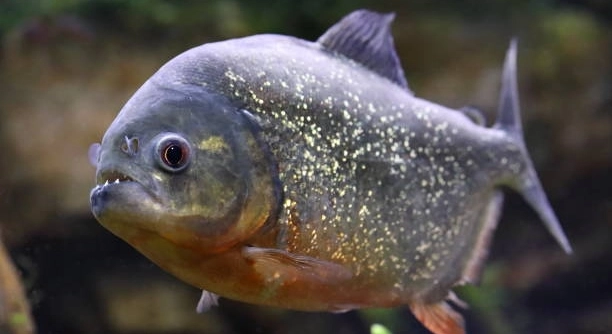
Introducing enrichment items to a piranha tank can improve the fish’s environment and overall well-being. Adding new objects helps keep piranhas mentally stimulated and encourages natural behaviors. This simple change can make a noticeable difference in their daily life.
Proper introduction of enrichment items involves gradual placement and monitoring to ensure the fish adjust without stress. Items should be safe, non-toxic, and appropriate for the tank size to prevent injury or territorial conflicts among piranhas.
Knowing how to add these items carefully helps maintain a balanced habitat. The right approach can enhance your piranhas’ health and activity levels effectively.
Choosing the Right Enrichment Items
Selecting enrichment items for a piranha tank requires careful thought. Not all objects are safe or suitable for aggressive fish like piranhas. Hard plastic decorations with smooth edges work well, as they won’t damage the fish. Avoid sharp or fragile items that could break and injure your fish. Natural materials like driftwood or sturdy rocks can also be used but must be cleaned thoroughly to avoid introducing harmful substances.
Enrichment items should fit comfortably in the tank without overcrowding. Space is essential because piranhas need room to swim freely and establish territories. Introducing too many objects can cause stress and aggression, defeating the purpose of enrichment. Start with a few well-chosen pieces to observe how your fish react.
Remember, the goal is to encourage natural behaviors, such as hiding or exploring. By offering different textures and shapes, you keep piranhas mentally engaged and physically active. A well-planned setup leads to a healthier, more vibrant tank environment.
Introducing Items Gradually
It is important to add enrichment items slowly. Sudden changes in the tank environment can stress piranhas. Begin by placing one new item at a time and watch how your fish respond. This cautious approach helps reduce territorial disputes and anxiety. If aggression increases, remove the item and try a different object later.
Introduce one or two items every few days rather than all at once. This pacing allows the fish to adjust and explore safely. Gradual introduction also helps you notice if an object causes any problems, like injury or hiding behavior changes.
Being patient during this phase is key. It’s tempting to add many items quickly, but steady progress works better. Keep the tank clean and monitor water quality, as adding objects can sometimes affect filtration. By taking small steps, you create a safer and more stimulating habitat for your piranhas.
Monitoring Fish Behavior
Watching your piranhas after adding enrichment is crucial. Pay attention to changes in swimming patterns, aggression, or hiding. Healthy interaction with new items means your fish are adjusting well. If signs of stress or injury appear, reconsider the items used.
Changes in behavior are often subtle. Some piranhas might explore new objects immediately, while others may hide more at first. Look for normal eating habits and activity levels as good signs. Increased chasing or constant hiding can indicate stress from the environment or tankmates.
Regularly observe the tank during the first week after introducing items. This helps catch problems early and adjust the setup if necessary. Keeping a consistent routine around feeding and cleaning supports stable behavior. Monitoring ensures your efforts to enrich the tank truly benefit your fish’s health.
Cleaning and Maintenance
Maintaining cleanliness around enrichment items is essential. Items can collect algae, debris, or waste, which impacts water quality. Regular cleaning prevents buildup and keeps the tank healthy.
Remove and rinse decorations with warm water only, avoiding harsh chemicals that can harm piranhas. Clean items gently with a soft brush to remove algae and dirt. Perform regular water changes and vacuum the substrate to maintain overall tank hygiene.
Proper maintenance of enrichment objects supports water clarity and fish health. A clean tank reduces stress and disease risk, allowing your piranhas to thrive. Taking care of these details shows respect for your fish’s well-being and creates a balanced environment.
Types of Enrichment Items
Popular enrichment items include caves, PVC pipes, and floating plants. These provide hiding spots and stimulate natural behavior. Avoid overcrowding the tank with too many items to keep swimming space open.
Soft plants and smooth rocks add texture without harming the fish. Choose items that are easy to clean and durable to last longer in the tank.
Observing Stress Signals
Watch for changes like loss of appetite, excessive hiding, or aggressive chasing. These signs may indicate the enrichment isn’t working or is causing stress. Adjust the environment accordingly.
Adjusting Enrichment Over Time
Enrichment needs may change as piranhas grow or their behavior shifts. Rotate or replace items occasionally to maintain interest and reduce boredom. Keep an eye on how your fish react to new additions or removals.
Safety Precautions
Always inspect items before adding them to the tank. Sharp edges or toxic materials can harm piranhas. Choose aquarium-safe products and rinse everything thoroughly.
FAQ
How often should I change or rotate enrichment items in a piranha tank?
Rotating enrichment items every few weeks helps keep your piranhas interested and mentally stimulated. Fish can get used to the same objects over time, so changing their environment slightly encourages exploration and natural behaviors. Avoid making too many changes at once to reduce stress.
Can all piranhas use the same enrichment items?
Not necessarily. Different species and even individual piranhas may react differently to enrichment. Some might prefer caves or hiding spots, while others enjoy open swimming areas with floating plants. Watch your fish carefully to see which items they engage with most.
Are live plants a good option for piranha tanks?
Live plants can add natural beauty and provide hiding spots, but piranhas may damage or uproot them since they are aggressive and curious. If you choose live plants, opt for hardy species like Anubias or Java fern, which are less likely to be destroyed. Artificial plants are safer but less natural.
How can I tell if an enrichment item is causing stress?
Signs of stress include hiding more than usual, refusing food, aggression spikes, or frantic swimming. If you notice these behaviors after adding a new item, remove it and observe if the fish calm down. Stress can also appear as physical damage or discoloration.
Is it safe to use natural items like driftwood or rocks in the tank?
Natural items are good enrichment but require preparation. Clean and boil driftwood to remove harmful substances and bacteria. Choose rocks that won’t alter water chemistry, like quartz or slate. Avoid limestone or shells, which can raise pH and harm your piranhas.
What materials should be avoided when choosing enrichment items?
Avoid anything with sharp edges, paint that can chip, or plastics not labeled safe for aquariums. Some materials release toxins that can harm your fish. Stick to aquarium-specific products or natural items prepared correctly.
Can enrichment reduce aggression in piranha tanks?
Enrichment can help by providing hiding spaces and distractions, which reduce stress and territorial fighting. However, piranhas are naturally aggressive, so enrichment alone won’t eliminate all conflict. Proper tank size and stocking numbers are also important to manage aggression.
How large should enrichment items be relative to the tank size?
Enrichment items should not take up too much space. Leave plenty of room for swimming. Large tanks can accommodate bigger or more items, while small tanks need fewer and smaller objects. Balance is key to avoid overcrowding.
Do enrichment items affect water quality?
Some items can affect water quality if not maintained properly. Organic materials like driftwood may release tannins, slightly coloring water but generally safe. Regular cleaning and water changes keep the environment healthy and prevent buildup on decorations.
Is it necessary to quarantine enrichment items before adding them?
Quarantining enrichment items is a good practice, especially natural ones, to avoid introducing parasites or harmful bacteria. Soaking and scrubbing new items before placing them in the tank reduces risks and protects your piranhas’ health.
Can I make DIY enrichment items for my piranha tank?
Yes, but only if you use safe, non-toxic materials. PVC pipes, smooth rocks, and untreated wood can work well. Avoid painted or treated materials that could leach chemicals. Always clean and inspect DIY items thoroughly before adding them to the tank.
How do I clean enrichment items without harming beneficial bacteria?
Clean items outside the tank using warm water and a soft brush. Avoid soap or chemicals. If algae buildup is heavy, soak items in diluted vinegar and rinse thoroughly before returning them. Cleaning gently preserves beneficial bacteria important for tank health.
What are some signs that enrichment is working well?
Fish actively exploring, hiding, or interacting with objects show enrichment is effective. You may also notice reduced aggression and increased activity. Healthy appetite and bright coloration are additional positive signs.
Can enrichment items help piranhas feel less stressed during tank changes or moves?
Yes, familiar objects provide comfort during stressful events. Keeping some enrichment items consistent helps piranhas feel secure. Gradually introducing new items after a move also supports adjustment.
Should enrichment be tailored to the age or size of piranhas?
Younger or smaller piranhas may prefer different hiding spots or fewer items than adults. Adjust enrichment based on the size and behavior of your fish to ensure safety and suitability.
Is it okay to use commercially bought aquarium decorations for piranha tanks?
Commercial decorations designed for aquariums are usually safe if they meet quality standards. Choose sturdy, smooth items without toxic paints. Avoid cheap decorations that might break or have sharp edges.
How can I balance enrichment with tank cleanliness?
Regular cleaning and water changes are essential. Limit the number of items to avoid debris buildup. Remove or clean items that collect waste frequently. This balance keeps your piranhas healthy and the tank visually appealing.
This FAQ covers common concerns about enriching a piranha tank. Keeping your fish safe, happy, and active takes attention and care, but the benefits are worth it.
Introducing enrichment items to a piranha tank can greatly improve the living environment for your fish. These items provide stimulation and encourage natural behaviors such as exploring, hiding, and swimming. Adding enrichment thoughtfully helps keep your piranhas active and reduces boredom, which can lower stress and aggression. When done correctly, it creates a healthier and more balanced aquarium where your fish can thrive.
It is important to choose safe, appropriate items and introduce them slowly to avoid upsetting the fish. Items should be free of sharp edges and made of materials that won’t harm the water quality. Watching your piranhas closely after adding new objects helps you understand how they react and whether any adjustments are needed. Regular cleaning and maintenance of both the tank and enrichment items are also key to preventing problems such as algae buildup or water contamination.
Enrichment is not just about decoration but about supporting your fish’s well-being. Over time, rotating or changing items can keep the environment interesting and stimulating for your piranhas. This care helps improve their health and behavior. With patience and observation, you can create an engaging habitat that meets your fish’s needs and keeps them active, healthy, and content in their home.

Hello,
If you enjoy the content that we create, please consider saying a "Thank You!" by leaving a tip.
Every little bit helps us continue crafting quality advice that supports the health, happiness, and well-being of pets around the world, for pets of all shapes, sizes, and species.
We really appreciate the kindness and support that you show us!