
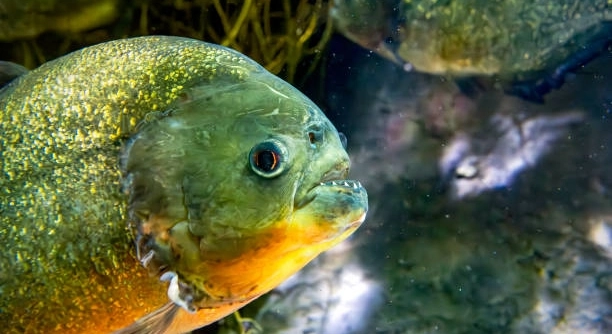
Many people keep piranhas as fascinating pets, enjoying their unique behavior and appearance. Sometimes, however, these fish can suddenly show aggressive signs. Knowing how to respond calmly is important for both you and your piranha’s safety.
If your piranha becomes hostile, the best approach is to minimize stress by reducing disturbances, checking water quality, and ensuring proper feeding routines. Immediate removal of potential triggers helps prevent escalation and maintains a safe environment.
Understanding what causes sudden aggression can protect your pet and improve your care routine. This guide will help you handle changes in behavior thoughtfully and effectively.
Recognizing the Signs of Hostility
Piranhas can sometimes act aggressively, which may feel surprising if your pet was calm before. Signs include rapid swimming, sudden biting at tank decorations, or frequent attacks on other fish. These behaviors often start subtly and can escalate if ignored. It’s important to observe your piranha’s daily routine and note any changes in activity or appetite. Stress, poor water quality, or overcrowding often cause aggression. If your piranha looks tense or starts biting its own fins, this is a clear sign it is not comfortable. Taking quick action when you notice these signs helps avoid serious harm to your fish or others in the tank. Keeping the tank clean and stable often prevents problems before they start. Regular observation and care will keep your piranha happier and healthier.
Aggressive behavior is rarely sudden without reason. Watching your piranha closely helps you catch early signs of trouble.
Understanding how to spot early warning signs allows you to act quickly and keep your tank peaceful.
Common Causes of Aggression
Many factors can trigger a piranha’s hostile behavior. Poor water conditions are one of the most common issues. High ammonia or nitrite levels irritate the fish, making it stressed and aggressive. Overcrowding also causes fights, as piranhas need enough space to swim freely and avoid constant conflict. A lack of hiding places can increase tension, so providing plants or decorations can help them feel secure. Feeding habits matter too. If food is scarce or unevenly distributed, piranhas compete aggressively. Sometimes, sudden changes in tank temperature or lighting stress the fish, leading to biting and chasing. Identifying these causes helps you create a more peaceful environment by fixing problems before they escalate.
Fixing water quality and tank setup often calms your piranha’s behavior quickly.
Taking time to improve the tank environment reduces aggression and helps your fish thrive. Consistent cleaning, proper feeding, and enough space are key steps. When your piranha feels secure, it will show calmer behavior and enjoy a healthier life.
How to Calm a Hostile Piranha
Start by reducing any sudden movements or loud noises around the tank. Piranhas react strongly to disturbances. Make sure the water temperature and quality are stable, as fluctuations increase stress. Providing hiding spots with plants or decorations can help your piranha feel safer and less aggressive.
Changing the environment gently can make a big difference. Gradually lower the tank lights to reduce overstimulation. If you notice other fish in the tank triggering hostility, consider separating them. Feeding your piranha regularly with balanced food prevents hunger-driven aggression. Use a feeding ring to avoid competition. Observe your fish closely during this time to catch any signs of ongoing stress or fighting early.
If aggression continues, try isolating the hostile piranha temporarily in a separate tank. This gives it time to calm down without injuring others. Use this break to check water parameters carefully and improve overall tank conditions. When reintroducing the fish, do so slowly and watch for signs of renewed hostility.
Preventing Future Aggression
Regular tank maintenance is essential for peace. Keep water clean by doing partial water changes weekly and testing water quality often. Avoid overcrowding by following recommended tank size and fish number limits. Provide enough hiding places and visual barriers inside the tank to reduce stress. Feed your piranha a varied diet to keep it satisfied and healthy. Monitor the fish’s behavior regularly to catch early signs of trouble.
Creating a stable and comfortable environment is the best way to prevent hostility. Consistency in care routines builds trust with your pet, lowering stress and aggression over time. Adjust your setup when needed and respond quickly to any changes. This proactive approach helps maintain harmony in your aquarium and keeps your piranha calm.
When to Seek Professional Help
If your piranha’s aggression does not improve despite changes, consider consulting an aquatic veterinarian or experienced fish specialist. Persistent hostility can indicate underlying health or environmental problems that need expert attention.
A professional can test for diseases or injuries causing aggression. They may also advise on tank setup or diet adjustments to improve your fish’s behavior and well-being.
Understanding Piranha Behavior Patterns
Piranhas naturally show territorial behavior, especially during feeding or breeding times. Recognizing these patterns helps you anticipate and manage aggression before it becomes serious. Aggression often peaks when they feel threatened or overcrowded. Providing enough space and regular feeding reduces stress. Keeping their environment stable also supports calmer behavior.
Avoiding Common Mistakes
Overfeeding or sudden changes in the tank environment often cause aggression. Keep routines steady and avoid overcrowding to maintain peace in your aquarium.
FAQ
Why is my piranha suddenly aggressive after being calm?
Sudden aggression usually happens because of stress or changes in the environment. This can include poor water quality, overcrowding, or a lack of hiding places. Sometimes, sudden noise, bright lights, or temperature changes cause stress. Illness or injury can also make your piranha more hostile than usual. Keeping the tank stable and clean helps reduce these issues.
How often should I clean my piranha’s tank to prevent aggression?
Cleaning the tank weekly is a good rule. Perform partial water changes of about 20-30% to keep water fresh and remove toxins. Regularly test water parameters like ammonia, nitrite, and nitrate levels. A clean tank reduces stress, which helps keep aggression low. Avoid deep cleaning too often, as it may disturb beneficial bacteria.
Can piranhas live peacefully with other fish?
Piranhas are naturally aggressive and territorial, especially in small tanks. In larger tanks with plenty of hiding spots, some piranhas tolerate other fish, but risk of attacks remains. It’s safer to keep them with their own kind or alone. Avoid mixing with small or slow-moving species to reduce injury risk.
What should I feed an aggressive piranha to calm it down?
A balanced diet including pellets, frozen or live foods like fish, shrimp, or insects keeps your piranha healthy and less aggressive. Feed them regularly but avoid overfeeding. Hunger often triggers aggressive behavior, so consistent feeding times help. Avoid feeding human food or anything harmful.
How can I tell if my piranha is sick and acting hostile because of illness?
Look for signs like loss of appetite, unusual spots or discoloration, damaged fins, or lethargy alongside aggression. Illness weakens your fish and can cause unusual behavior. If sickness is suspected, isolate the piranha and consult a vet for diagnosis and treatment.
Is it normal for piranhas to bite their tank mates sometimes?
Yes, biting happens as part of their territorial nature. However, constant or severe biting means there’s a problem like overcrowding or stress. Check tank conditions and space. Providing hiding places helps reduce fighting. If injuries occur, separate the fish until they heal.
Can stress from poor water conditions cause sudden aggression?
Absolutely. Poor water quality affects your piranha’s health and mood. High ammonia or nitrite levels irritate their skin and gills, causing discomfort and aggressive behavior. Keeping water parameters stable with regular testing and changes is essential.
How much space does a piranha need to reduce hostility?
A single piranha needs at least 20 gallons of water, with an additional 10 gallons for each extra fish. More space means less competition and fewer fights. A larger tank also allows you to add plants and decorations for hiding, which lowers stress and aggression.
Can adding plants or decorations really calm an aggressive piranha?
Yes, plants and decorations create hiding spots and break lines of sight between fish. This reduces stress and territorial disputes. Natural or artificial plants, rocks, and driftwood work well. Just make sure decorations don’t have sharp edges to prevent injury.
What should I do if my piranha injures another fish?
Remove the injured fish immediately and provide proper care. Treat wounds with aquarium-safe antiseptics if needed. Assess why the injury happened—likely aggression due to overcrowding, hunger, or stress. Improve tank conditions and consider separating aggressive fish to prevent future incidents.
Is it okay to isolate a hostile piranha temporarily?
Isolating a hostile piranha is often the best way to calm it down and protect other fish. Use a separate tank with similar water conditions. This break reduces stress and lets the fish recover. When reintroducing, do so slowly and watch for signs of renewed aggression.
How long does it take for a hostile piranha to calm down?
It varies depending on the cause. Some piranhas calm within a few days if stress is removed and conditions improve. Others may take weeks, especially if illness or injury is involved. Patience and careful observation are key during this time.
Can piranhas become less aggressive as they age?
Piranhas can become calmer with age, especially if they are healthy and kept in good conditions. However, their natural territorial instincts remain, so occasional aggression is normal. Providing a stable environment helps keep their behavior predictable.
Does lighting affect piranha aggression?
Bright or flashing lights can stress piranhas and trigger aggression. Use moderate, consistent lighting. Dimming lights during feeding times can help calm the fish. Avoid sudden changes in light intensity to reduce stress-related hostility.
Is it possible that aggressive behavior is caused by breeding instincts?
Yes, piranhas become more territorial and aggressive during breeding seasons. Males especially guard nests and defend territory fiercely. If breeding is suspected, extra care is needed to provide enough space and hiding spots to minimize fights.
What are the signs of a healthy, calm piranha?
A calm piranha swims steadily, eats well, and interacts calmly with tank mates or its environment. Its fins and body are intact, with bright, consistent colors. It rests quietly and shows little interest in chasing or biting. Healthy behavior means good tank care and minimal stress.
When a piranha suddenly becomes hostile, it can feel stressful and confusing. Understanding the reasons behind this behavior helps you stay calm and take the right steps. Most often, aggression comes from stress caused by changes in the environment, poor water quality, overcrowding, or hunger. Making small adjustments like cleaning the tank regularly, feeding properly, and providing hiding spots can make a big difference. Watching your fish closely lets you notice early signs of trouble before aggression gets worse. Staying patient and consistent with care is key to helping your piranha feel safe and calm again.
Keeping your piranha’s tank stable and comfortable is the best way to prevent hostile behavior from starting. This means keeping water clean with regular partial changes and testing, making sure the tank is large enough, and avoiding too many fish in one space. Adding decorations or plants gives your piranha places to hide and lowers stress. Feeding your fish a balanced diet on a schedule also stops hunger from causing fights. Sometimes aggression is natural for piranhas, but a good environment can keep it under control. If problems do come up, isolating a hostile fish or seeking professional advice can help solve them quickly.
Taking care of a piranha requires attention and care, but it is also rewarding. These fish have strong instincts, and their behavior changes with their surroundings. By learning what makes your piranha feel threatened or stressed, you can make better decisions for its health and happiness. Creating a calm, safe environment supports your piranha’s natural needs and reduces aggressive episodes. Remember that sudden hostility is usually a sign that something needs fixing, so taking action early protects both your pet and the other fish in the tank. With steady care and attention, your piranha can live a peaceful, healthier life.

Hello,
If you enjoy the content that we create, please consider saying a "Thank You!" by leaving a tip.
Every little bit helps us continue crafting quality advice that supports the health, happiness, and well-being of pets around the world, for pets of all shapes, sizes, and species.
We really appreciate the kindness and support that you show us!