
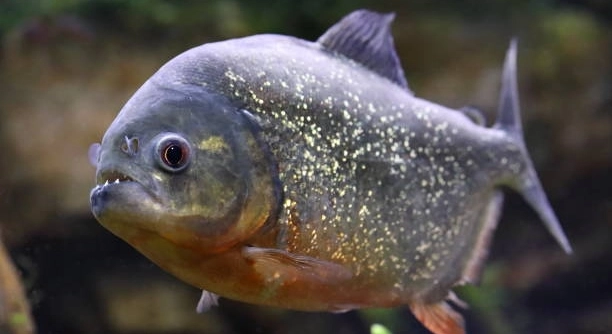
Observing piranhas can be fascinating for anyone interested in aquatic life. These fish have unique behaviors that are often misunderstood. Learning how to watch them without disturbing their natural environment is important.
The best ways to observe piranha behavior without interference involve maintaining a respectful distance, using non-intrusive equipment like underwater cameras, and avoiding sudden movements or loud noises that could stress the fish or alter their natural activities.
This guide will help you appreciate piranhas safely and respectfully while gaining insight into their fascinating habits. Following these tips ensures a rewarding and responsible observation experience.
Keep a Safe Distance
Watching piranhas from afar is the best way to see their true behavior. When you stay at a respectful distance, the fish don’t feel threatened or stressed. This distance helps keep their natural actions intact, such as feeding or swimming patterns. Using binoculars or zoom lenses on cameras lets you observe clearly without getting too close. Being near the water’s edge or shallow areas may cause piranhas to hide or act aggressively, which changes how they behave. It’s also safer for you to avoid sudden movements or loud noises that might startle them. Patience is key here — waiting quietly often rewards you with better chances to see how they interact naturally. Respecting their space means you get a clearer picture of their daily life without causing harm.
Avoiding close contact reduces stress for the fish and keeps observations more natural.
By giving piranhas room to swim freely, you allow their behaviors to unfold normally. This respectful approach not only protects the fish but also keeps you safe. Many observers find that this method leads to richer insights and a deeper appreciation for these interesting creatures. When you watch quietly from a distance, you’re more likely to catch subtle behaviors that are easy to miss otherwise. Whether it’s their feeding habits or social interactions, a calm approach lets you witness piranhas as they really are. This balance of care and curiosity creates the best conditions for observing wildlife in their natural state.
Use Underwater Cameras
Underwater cameras are excellent tools for observing piranha behavior without intrusion. These devices capture footage from below the surface, showing details that might be hidden from above. The cameras can be left in place for long periods, recording activities without human presence nearby. This reduces disturbances and allows the fish to act naturally. Placing cameras in shaded areas or near structures where piranhas like to gather can provide clear views of their interactions. Modern underwater cameras also come with remote controls, letting you adjust angles or zoom without entering the water. Using these devices can reveal social behaviors, hunting techniques, and responses to environmental changes.
Underwater cameras help maintain distance and reduce stress on the fish while giving detailed insights into their behavior.
These cameras create a non-invasive way to study piranhas in their habitat. They can be attached to rocks, submerged branches, or even floating platforms, blending in with the environment. Over time, the footage gathered helps build a better understanding of their group dynamics and feeding routines. Observers can analyze this video later to spot patterns that aren’t obvious in brief visits. Additionally, this method avoids interrupting the water or creating vibrations that might scare the fish. Using technology wisely ensures that piranha behavior is recorded accurately and respectfully. It also allows you to learn from a safe place without risking safety or causing disruption. This approach suits anyone wanting to observe quietly and thoroughly.
Avoid Feeding the Fish
Feeding piranhas during observation can alter their natural behavior and cause aggression. It’s important to resist the urge to offer food, as this disrupts their normal routines and social order.
Feeding piranhas may make them dependent on human interaction and affect their hunting instincts. Artificial feeding can lead to unnatural gathering patterns, which may increase competition and stress among the fish. This behavior doesn’t reflect how they interact in the wild, so observations become less accurate. Feeding also risks introducing harmful substances into the water, which can damage the ecosystem. Keeping to observation without interference respects the fish’s health and natural lifestyle, providing better insights into their true behavior.
Ignoring the temptation to feed piranhas helps maintain a natural setting. It ensures that the behaviors you see are genuine, undisturbed by external influence. Observing them in this way supports their well-being and your safety, making your experience more rewarding and authentic.
Observe During Active Times
Piranhas are often more active during certain times of the day, such as early morning or late afternoon. These periods are ideal for observation.
During these active times, piranhas engage in feeding, socializing, and exploring their environment more visibly. Observing at these moments allows you to witness a wider range of behaviors, such as hunting strategies and group interactions. Activity levels vary depending on factors like water temperature and light. Planning your observation around these natural rhythms increases the chances of seeing genuine behavior rather than fish resting or hiding. It also minimizes disturbance, as you align your presence with their natural schedule.
Timing your observations to match peak activity helps capture lively and natural piranha behavior. It reveals how they respond to environmental cues and interact with each other, providing a clearer understanding of their daily life in the water.
Minimize Water Disturbance
Avoid splashing or stirring the water when observing piranhas. Movement in the water can scare them away or change their behavior.
Use quiet movements and avoid entering the water if possible. Staying still helps keep the environment calm and natural for better observation.
Use Natural Light
Natural light allows you to see piranhas clearly without the need for artificial lighting, which can disturb them.
Watching piranhas in well-lit conditions helps you notice their colors, patterns, and subtle movements. Early morning or late afternoon light is usually soft and ideal for observation without causing stress to the fish.
Record Observations
Taking notes or recording videos can help track piranha behavior over time.
This method allows you to review and better understand patterns you might miss in real time. Recording quietly and discreetly keeps the fish undisturbed and helps build a clear picture of their habits.
FAQ
How close can I get to piranhas when observing them?
Maintaining a safe distance of several meters is best. Getting too close can disturb their behavior and increase risk for both you and the fish. Using zoom lenses or binoculars allows clear viewing without intrusion. This respectful distance helps the fish remain calm and behave naturally.
Is it safe to observe piranhas from the water?
Entering the water near piranhas is not recommended. It can stress the fish and may provoke defensive behavior. Observing from the shore or a boat is safer and less intrusive. Keeping out of the water reduces risks to you and preserves the fish’s natural environment.
Can I feed piranhas to see their feeding behavior?
Feeding piranhas disrupts their natural behavior and can cause aggressive reactions. It may also lead to unhealthy dependence on humans. It’s better to observe how they hunt and feed in their natural state without interference. This ensures a more accurate understanding of their habits.
What time of day is best for watching piranhas?
Piranhas tend to be more active during early morning and late afternoon. These periods offer the best chance to see natural behaviors like feeding and social interactions. Planning observations around these times increases the likelihood of seeing interesting activity without disturbing their routine.
How can I avoid scaring piranhas while observing?
Move slowly and quietly when near piranha habitats. Avoid sudden noises or splashing. Staying still and using tools like underwater cameras helps reduce stress on the fish and keeps their behavior natural. Calm presence makes observation more successful and safe.
Do piranhas pose a danger to observers?
Piranhas usually avoid humans and attacks are rare. Most risks come from disturbing or provoking them. Watching from a distance and respecting their space greatly lowers any danger. Staying calm and careful ensures a safe experience around these fish.
What equipment is best for observing piranhas?
Underwater cameras, binoculars, and zoom lenses are very useful. They let you observe closely without getting near. Using waterproof notebooks or voice recorders helps document behavior discreetly. The right gear makes observation easier and less intrusive.
How do I know if my presence is affecting piranha behavior?
If the fish hide, swim away quickly, or show aggression, it means they feel disturbed. If they act calm and continue usual activities, your presence is less intrusive. Watching quietly and respecting their space helps maintain natural behavior during observation.
Can I observe piranhas at night?
Night observation is challenging because piranhas are less active and visibility is poor. Artificial lights can disturb them and change their behavior. It’s better to observe during daylight hours when you can see them clearly and avoid stressing the fish.
Why is it important not to interfere with piranha behavior?
Interference can cause stress, alter social structures, and disrupt natural patterns. Respecting their environment ensures healthier fish and more accurate observations. It also protects the ecosystem and supports ethical wildlife watching practices.
These answers focus on safe, respectful ways to observe piranhas and gain genuine insights into their behavior without causing harm or disturbance. Following these tips makes your observations more rewarding and responsible.
Observing piranhas without interfering is important for both the fish and anyone watching them. When you keep a respectful distance and avoid disturbing their natural environment, you get to see how they behave in their usual way. Piranhas are interesting creatures with unique habits, but they can also be sensitive to changes in their surroundings. Being patient and quiet helps you learn more about them and keeps the experience safe and calm for everyone involved. Respecting their space means the fish stay healthy and continue living normally, which is the best way to enjoy watching them.
Using tools like underwater cameras or binoculars can make observing piranhas easier and less intrusive. These devices allow you to see details and behaviors without needing to get too close. Avoiding feeding the fish is also very important because it can change their behavior and cause problems in their natural social order. Watching during times when piranhas are most active, like early morning or late afternoon, can give you a better chance to see interesting actions without interrupting their routine. Small actions like moving slowly and minimizing noise can make a big difference in keeping the fish comfortable and behaving naturally.
In the end, careful and thoughtful observation benefits both you and the piranhas. You gain a better understanding of their habits and environment while helping protect them from stress or harm. Remembering to stay calm, use proper equipment, and respect the natural rhythms of piranhas will make your experience more enjoyable and meaningful. Watching wildlife without interference is always the best approach, and with piranhas, it allows you to appreciate their unique behaviors in the way they are meant to be seen. This balance between curiosity and care is what makes observing piranhas a truly rewarding activity.

Hello,
If you enjoy the content that we create, please consider saying a "Thank You!" by leaving a tip.
Every little bit helps us continue crafting quality advice that supports the health, happiness, and well-being of pets around the world, for pets of all shapes, sizes, and species.
We really appreciate the kindness and support that you show us!