
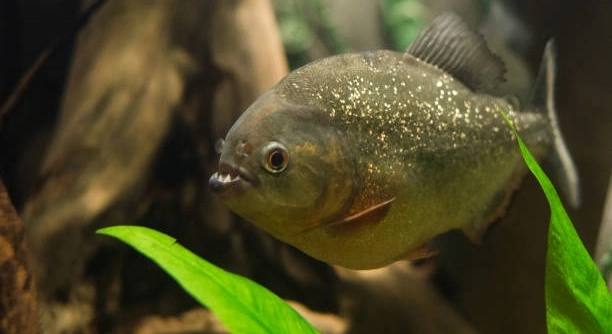
Do you ever find yourself watching your piranha and wondering if it could be feeling sad or acting strangely? Changes in swimming, appetite, or behavior may leave you feeling unsure about what’s going on beneath the surface.
Yes, piranhas can experience behavioral changes that resemble symptoms of depression. These changes are often linked to stress, poor water quality, lack of stimulation, or social isolation within their environment.
Recognizing the signs early on can help you take the right steps to improve your piranha’s overall well-being and quality of life.
Signs That May Show a Depressed Piranha
A piranha that isn’t acting like its usual self might be showing signs of distress. One of the most noticeable changes is a lack of movement. Healthy piranhas tend to swim steadily and react to their environment. When they seem still, hiding often, or staying near the bottom, it can be a signal that something is off. Another clear sign is a sudden loss of appetite. If they stop eating or eat far less than usual, it’s worth paying attention. Dull coloring, twitchy movements, and avoiding other tank mates are also things to look out for. These behaviors don’t always mean depression, but they suggest your piranha may be uncomfortable or stressed. It’s important to observe your fish daily and note any consistent patterns. Sudden changes in their routine or appearance are usually the first signs that something isn’t quite right and may require adjustments in their care.
These changes are your piranha’s way of reacting to its environment, and they shouldn’t be ignored.
If your piranha displays these behaviors for several days, it could be a sign of poor water quality, lack of stimulation, or social stress. Piranhas kept alone for long periods may show reduced activity or signs of anxiety. Even though they can survive on their own, piranhas are naturally social and often feel more secure when they live in small groups. Too much noise, sudden lighting changes, or rough tank handling can also lead to stress. Check for sharp temperature drops or chemical imbalances in the tank. Regular water testing, a clean tank, and consistent lighting can improve your piranha’s comfort. Providing visual barriers, plants, or areas to hide can help reduce stress. Keep feeding times steady and offer variety in their diet. If your piranha’s condition doesn’t improve after these changes, consulting with a vet who specializes in aquatic animals may be helpful.
Why Depression May Happen in Piranhas
Stress is often a main factor that can cause your piranha to behave differently or seem withdrawn.
Piranhas are sensitive to their environment, and even small changes can have a big effect on their behavior. Poor tank conditions are one of the most common sources of stress. Dirty water, high ammonia levels, or low oxygen can make your piranha feel sick or sluggish. Loud noises near the tank or inconsistent lighting patterns may also disturb their natural rhythms. Another factor is isolation. While piranhas have a reputation for aggression, they are still social creatures by nature. Being kept alone for long periods may cause them to become anxious or less active. Boredom is also possible. A tank without hiding spaces, plants, or any kind of stimulation can leave your piranha with very little to do. Adding decor, improving tank maintenance, and giving your fish a more natural space can all help in preventing signs of distress.
How to Help a Stressed or Depressed Piranha
Make sure the tank conditions are stable and clean. A well-maintained environment helps reduce stress and supports healthy behavior. Regular water changes, proper filtration, and checking temperature and pH levels are all essential for your piranha’s comfort and overall well-being.
Try rearranging tank decorations to create hiding spots and reduce visual stress. Piranhas feel safer when they have spaces to retreat and rest. Live or artificial plants, caves, or dark corners can provide a sense of security. If your piranha is alone, consider whether adding tank mates is appropriate based on the species and size of your aquarium. Be cautious and monitor their behavior closely if you do. Also, vary their food choices with high-quality protein sources like fresh fish, shrimp, or pellets to stimulate interest and encourage a healthy appetite. Feed them on a regular schedule to help them feel safe and reduce anxiety from unpredictable routines.
Minimize loud sounds and limit traffic around the tank. Sudden noises or movement can scare your piranha and cause it to stay hidden. If the tank is near a TV or a busy hallway, consider relocating it to a calmer spot. Keep lighting consistent and avoid bright, harsh lights. Use a timer to help maintain a predictable day-night cycle. Handling should also be kept to a minimum. Avoid tapping the glass or sudden cleaning routines that disrupt their space too often. If your piranha shows no improvement despite all these changes, it may be time to consult with an aquatic vet. Sometimes deeper health issues or underlying stressors need professional help to resolve. Observing closely and adjusting gently over time is key.
Can Piranhas Benefit from Tank Companions?
Some piranhas show better behavior when kept in small groups, especially species like red-bellied piranhas. Being in a group can make them feel more secure and active. But overcrowding or mixing the wrong fish can increase stress.
If you’re considering adding companions, make sure your tank is large enough to support multiple piranhas—typically 20 gallons per fish for red-bellied types. They need space to swim and establish their own territories. Add new fish gradually and monitor behavior closely. Aggression can still happen, especially during feeding. Avoid adding smaller fish that could be mistaken for food. Stick to fish of similar size and temperament. Use tank dividers or hiding spots to help them feel less exposed. Some keepers find that their piranhas become less skittish and more engaged when living with others, but it depends on the fish’s personality. Watch carefully for signs of bullying or stress after changes.
Should You Be Concerned About Long-Term Effects?
Long-term stress or depression in piranhas can weaken their immune system. This makes them more likely to develop illnesses, infections, and behavioral problems. Over time, they may also become less responsive and lose interest in food or activity completely.
Ignoring these signs can lead to more serious health issues. Constant stress may shorten their lifespan or cause irreversible damage. Early action is the best way to help them recover and return to normal behavior. Regular observation and small adjustments to their care make a big difference.
What Experts Say About Piranha Behavior
Aquatic specialists note that while piranhas are hardy, they are still affected by environmental changes and isolation. Many cases of odd behavior are linked to water quality, lack of stimulation, or long-term confinement. Experts recommend regular tank maintenance, enrichment, and species-appropriate social setups. For lone piranhas, extra care in diet, lighting, and routine is advised. Behavior should always be tracked over time, not just day to day. Some changes are temporary, while others can point to deeper issues. Professional input is helpful if problems continue. Vet checks and consultations can catch issues early and improve outcomes.
Can Piranhas Recover?
Yes, piranhas can recover if the cause of stress or discomfort is corrected. Many return to normal once the environment improves and their needs are met consistently.
Can piranhas actually get depressed like humans do?
Piranhas don’t experience depression in the same way humans understand it, but they can show behaviors that suggest stress or poor mental health. Changes like reduced activity, loss of appetite, or hiding more than usual often indicate that something is wrong. These signs are usually linked to environmental stressors rather than emotional depression. Still, these behaviors affect their overall health and wellbeing, so it’s important to pay attention and respond accordingly.
What are the most common signs that a piranha is stressed or “depressed”?
The most common signs include lethargy, hiding more than usual, and refusing food. You might also notice dull or faded colors and erratic swimming patterns. Sometimes piranhas become aggressive or unusually shy when stressed. These signs can show up quickly or develop over time, depending on the cause. Consistent observation helps spot these changes early.
How often should I check the water quality to prevent stress?
Water quality should be checked at least once a week. Testing for ammonia, nitrites, nitrates, pH, and temperature is essential. Poor water conditions cause most stress-related problems in piranhas. Regular partial water changes and good filtration keep the environment healthy. Keeping a log of water tests helps you spot trends before they cause harm.
Can a piranha be happy living alone?
Some piranha species can live alone, but many do better with company. Piranhas are naturally social in the wild and may become stressed or bored if isolated. However, adding tank mates requires caution since piranhas can be aggressive. If you keep a single piranha, extra attention to environmental enrichment and consistent care is necessary to reduce stress.
What types of tank mates are safe for piranhas?
Tank mates should be chosen carefully to avoid fights or stress. Larger, fast-swimming fish that aren’t seen as food are better options. Avoid small fish that piranhas might attack or eat. Some keepers successfully keep other large species or similar-sized piranhas together. Always monitor interactions and be ready to separate fish if aggression appears.
How can I improve my piranha’s environment to reduce stress?
Provide hiding spots like plants, rocks, or caves to give your piranha a sense of security. Maintain stable water conditions and consistent lighting with a day-night cycle. Avoid loud noises or sudden movements near the tank. Feeding a varied diet at regular times also helps. A well-decorated, clean tank with stable conditions supports better behavior.
Can diet affect my piranha’s mood or activity level?
Yes, diet plays an important role. A poor or boring diet can lead to low energy and lack of interest in food. Offering varied protein sources like fresh fish, shrimp, and high-quality pellets encourages natural feeding behavior. Avoid overfeeding, which can cause water quality problems. Regular feeding times create routine, which helps reduce anxiety.
How long does it take for a stressed piranha to show improvement?
Improvement can be seen in a few days to a few weeks after fixing the cause of stress. It depends on the severity and length of the problem. Water quality improvements often bring quick changes. Behavioral issues linked to social stress or boredom may take longer to resolve. Patience and consistent care are important for recovery.
When should I consult a vet about my piranha’s behavior?
Consult a vet if your piranha shows persistent changes in behavior despite improvements in care. Symptoms like refusal to eat for more than a week, visible injuries, or signs of illness (clamped fins, spots, bloating) need professional attention. Vets specializing in fish can help diagnose infections or other health problems that cause stress.
Are piranhas more prone to stress in smaller tanks?
Yes, smaller tanks limit swimming space and natural behaviors, which can increase stress. Overcrowding worsens the problem. Piranhas need adequate room to move, hide, and establish territory. A tank that’s too small can cause aggressive or withdrawn behavior. Investing in a properly sized tank makes a big difference in their health.
Can changing the tank decorations suddenly cause stress?
Yes, sudden changes can startle piranhas and cause stress. They rely on stable surroundings to feel safe. If you want to rearrange decorations, do it gradually and observe their reactions. Provide hiding places during and after changes to help them adjust more easily.
Is it normal for piranhas to hide a lot?
Some hiding is normal, especially during rest or after feeding. But excessive hiding or spending most of the time in one spot can indicate stress or illness. Look for other signs like poor appetite or changes in color to decide if it’s a problem. Providing adequate hiding spots helps reduce anxiety without causing isolation.
Do piranhas need stimulation to avoid boredom?
Yes, like many fish, piranhas benefit from a stimulating environment. Adding plants, decorations, or varied feeding methods can help keep them engaged. Without stimulation, they might become lethargic or stressed. Changing tank layout occasionally and providing live or moving food are simple ways to encourage activity.
Can lighting affect my piranha’s mood or health?
Lighting impacts their day-night cycle and behavior. Too much bright light can cause stress, while too little may affect activity levels. Using a timer to simulate natural light patterns helps keep them healthy. Dim areas or shaded spots in the tank give your piranha places to rest comfortably.
How do I know if my piranha is aggressive because of stress?
Increased aggression can be a sign of stress or overcrowding. Watch for chasing, biting, or fin nipping. If aggression is sudden or worsens after changes in the tank, stress is likely. Adjusting tank mates, improving space, and reducing environmental stress can help calm them.
Can I prevent depression-like symptoms in piranhas?
Preventing stress through stable tank conditions, proper social groupings, regular feeding, and environmental enrichment is the best way to avoid depression-like symptoms. Early observation and action to correct problems keep your piranha healthy and active. Prevention is easier than treatment.
Piranhas are fascinating fish that can show a range of behaviors depending on how they are cared for. Like many animals, they respond to their environment in ways that reflect their health and comfort. When a piranha seems less active, hides often, or refuses food, it can be a sign that something is wrong. These signs are not always easy to spot right away, so paying close attention to their daily habits is important. By watching your piranha carefully, you can notice small changes before they turn into bigger problems.
The environment where your piranha lives plays a big role in its well-being. Keeping the water clean and stable, providing enough space, and making sure the tank has places to hide can help reduce stress. Piranhas also need a balanced diet and consistent feeding routines. Changes in lighting and noise levels around the tank can affect their mood and behavior as well. Sometimes, a piranha kept alone might seem more stressed or bored, so considering tank mates could be helpful if the setup allows it. All these factors together create a better environment where your piranha can thrive.
If your piranha shows signs of stress or “depression,” acting quickly can improve its health and quality of life. Simple adjustments like cleaning the tank, adding hiding spots, or adjusting feeding times often make a big difference. In cases where problems continue, seeking advice from an aquatic vet can be valuable. It’s always better to address concerns early rather than wait for serious illness. Understanding your piranha’s needs and watching for signs helps you give it the best care possible and enjoy a healthy, active fish for years to come.

Hello,
If you enjoy the content that we create, please consider saying a "Thank You!" by leaving a tip.
Every little bit helps us continue crafting quality advice that supports the health, happiness, and well-being of pets around the world, for pets of all shapes, sizes, and species.
We really appreciate the kindness and support that you show us!