
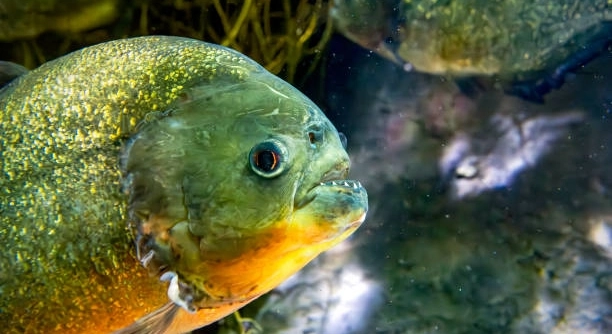
Is your piranha acting jumpy or refusing to eat, even when everything in the tank looks just right?
Unexpected or persistent sounds can stress piranhas and disrupt their behavior. Vibrations from household appliances, loud televisions, or nearby foot traffic can create a noisy environment that unsettles these sensitive fish.
Learning which everyday noises might be bothering your piranha can help you create a calmer and more comfortable tank environment.
Loud TVs and Music Systems
Piranhas are sensitive to vibrations and sudden changes in their surroundings. A loud television or music system near their tank can create constant background noise that leads to stress. Low-frequency sounds travel through walls and water, causing subtle but consistent disturbances in the tank. This can make your piranha more aggressive or withdrawn, and in some cases, it may even stop eating. Over time, this constant stress can weaken its immune system. If your aquarium is in a room where the volume stays high for long periods, consider relocating it to a quieter spot.
Try lowering the volume or turning off the speakers near the tank when possible.
Even if you’re used to the noise, your piranha is not. It processes sound through vibrations, which means even moderate volume levels can feel overwhelming. Keeping the tank in a low-traffic, quieter space may improve its mood and appetite noticeably.
Vibrations from Appliances
Fish tanks placed near refrigerators, dishwashers, or washers often experience constant low-level vibrations.
These vibrations may feel minor to us, but your piranha feels them directly through its body and the water. Appliances that cycle on and off create irregular patterns that can confuse and disturb your fish. A refrigerator’s compressor, for instance, produces a hum that might seem subtle, but it’s constant and carries through furniture, floors, and into the tank. Dishwashers and laundry machines are more intense, and the unpredictable shaking or rumbling can shock the piranha. This repeated stress can affect its behavior, making it less interactive or overly reactive. If possible, move the tank to a part of the house that doesn’t share a wall with such appliances. Another option is to place vibration-absorbing pads under the tank stand to reduce what carries into the water. Being mindful of how your home’s layout impacts the tank’s calmness is a simple but effective step.
Construction Noise and Outdoor Sounds
Construction work, lawn equipment, or passing trucks can send strong soundwaves through walls and windows. These loud, irregular noises can unsettle your piranha even if they happen outside. Prolonged exposure may lead to behavioral changes or a weakened immune system.
If your tank is near a window or wall that faces the street, your piranha may experience sudden vibrations from traffic or nearby construction. Even muffled thuds or engine rumbles are enough to trigger stress responses. Piranhas don’t adjust well to unpredictable sound patterns, so repeated exposure to these outdoor sounds can disrupt feeding habits or cause hiding. Soundproofing measures like heavy curtains, foam panels, or even just closing windows can reduce the impact. If possible, move the tank further into the interior of your home, where sounds from outside are softer. A calmer environment will help your fish feel more secure and less reactive during daily activity.
Some outdoor sounds don’t last all day, but their suddenness can still be alarming. If your neighborhood has routine lawn service or roadwork, try covering the tank with a towel during these times to help soften the vibrations. You can also use a timer to dim the lights during loud periods, encouraging your piranha to rest instead of react. Being proactive about outdoor noise may help reduce unexpected stress, especially if your fish is already sensitive to changes. A few small adjustments can make a big difference in its comfort.
Foot Traffic and Vibrations from Floors
Frequent foot traffic near the tank can create vibrations that travel through the floor and stand. These vibrations might seem minor, but they can be disruptive to a piranha’s sense of safety and lead to constant alertness.
Even everyday movements like walking or pacing near the tank send signals through the floor that your piranha can detect. These vibrations often go unnoticed by people but are amplified by the tank structure. If your fish stays near the bottom or hides often, it may be reacting to this stress. Try placing the aquarium on a sturdier surface or adding padding beneath the stand to absorb some of the shock. Reducing how often people walk past the tank—especially during feeding times—can also help. If your tank is placed in a hallway or busy living space, consider relocating it to a quieter room with less foot traffic. Creating a stable setting allows your piranha to relax more easily.
Kids Playing Near the Tank
Sudden movements, tapping on the glass, or loud voices from children playing nearby can cause stress for your piranha. These bursts of activity may seem harmless but often lead to skittish behavior and hiding.
Piranhas prefer steady, calm surroundings. Repeated disruptions from excited kids can overwhelm them quickly.
Barking Dogs and Other Pets
Pets can create unpredictable noise that unsettles piranhas. Barking dogs, in particular, produce sharp, sudden sounds that travel easily through walls and floors. Cats jumping onto stands or birds squawking nearby can also cause your piranha to become startled. These interruptions break the sense of safety your fish needs. Over time, frequent pet noise may cause your piranha to act aggressively or refuse to eat. If possible, limit how close pets get to the tank or set up barriers to create distance. Keeping the tank in a low-traffic room can reduce both sound and motion, helping your piranha stay calm and healthy.
Echoes and Hard Surfaces
Tanks placed in rooms with hard floors or bare walls can amplify sound. Echoes bounce around and increase noise levels, making it harder for your piranha to feel secure. Carpets and curtains help soften the space.
FAQ
Can piranhas actually hear sounds outside the tank?
Yes, piranhas can detect sounds and vibrations from outside the tank. Their lateral line system helps them sense movement and pressure changes in the water, and loud sounds from the environment can travel through the tank’s glass and water. While they may not “hear” like humans, they are highly sensitive to vibrations. Noises like slamming doors, barking dogs, or thudding footsteps can cause stress. Some piranhas will respond by hiding or darting around the tank, while others might stop eating. Minimizing sudden noise near the tank can help keep their environment stable and comfortable.
Why does my piranha dart around suddenly when the TV is on?
Piranhas are sensitive to both noise and movement. TVs can produce unpredictable sounds and flickering lights that may cause your fish to feel threatened. Bass-heavy audio, especially from action scenes or loud commercials, can send vibrations through the tank that startle your fish. If your tank is near a television or sound system, consider turning the volume down or placing a barrier between the tank and the sound source. Your piranha may eventually get used to regular low-volume background noise, but sudden loud moments can still trigger a fear response.
Do glass taps really bother them that much?
Tapping on the tank glass may seem minor, but it can be very unsettling for a piranha. The vibrations from even light taps travel quickly through the water and disrupt the sense of safety. Children are often drawn to tapping the glass out of curiosity, but this causes your piranha to dart, hide, or freeze in place. Repeated tapping can lead to chronic stress. Posting a gentle reminder near the tank asking people not to touch the glass can help. Also, placing the tank out of reach of small children may prevent the problem altogether.
What are some signs that noise is stressing out my piranha?
Common signs include hiding for long periods, refusing to eat, darting around suddenly, or staying in one corner of the tank. If your piranha used to swim more freely and is now acting withdrawn or panicked, sound disturbances could be part of the cause. Monitor the room throughout the day to identify any potential sources of noise. Try turning off background electronics, softening the lighting, or relocating the tank to a quieter spot. If changes in behavior improve, it likely means sound was a factor.
Can I soundproof the area around the tank?
Yes, there are simple ways to reduce noise. Adding curtains, carpets, or fabric panels in the room helps absorb sound. Placing the tank against an interior wall rather than an exterior one can also make a difference. You can place a thick mat or pad under the aquarium stand to minimize vibration from footsteps. Avoid placing the tank near loud appliances, speakers, or heavily used doorways. These adjustments don’t require a full remodel but can significantly reduce stress for your fish.
Is background music okay for piranhas?
Low-volume, steady music may not bother your piranha and could help mask other distracting sounds. Classical or ambient music is generally better than something with loud beats or sharp changes in volume. Keep the speaker at a distance, and monitor your fish’s behavior when the music is playing. If your piranha acts normal—swimming calmly, eating well, and not hiding more than usual—it’s likely fine. Every fish reacts differently, so it’s best to test changes slowly and watch for signs of stress.
Will my piranha ever get used to noise?
Some piranhas do adapt to a consistent environment with mild noise, but most remain sensitive to sudden changes. If a particular sound becomes routine and doesn’t involve sharp vibrations or unpredictable bursts, your fish may learn to ignore it. However, they are unlikely to get used to loud bangs, glass tapping, or repeated disruptions. It’s best to control the environment instead of hoping the fish will adjust. Creating a quiet and stable space allows your piranha to thrive.
Is stress from noise really that serious for piranhas?
Yes, ongoing stress can weaken a piranha’s immune system, affect appetite, and lead to aggressive or erratic behavior. Over time, stress may even shorten your fish’s lifespan. Many piranhas are naturally cautious and react strongly to disturbances. Providing a calm environment is one of the most effective ways to support their health.
Final Thoughts
Piranhas are more sensitive to their surroundings than many people realize. Sudden or repeated sounds, especially loud ones, can easily disturb them. These fish rely on vibrations and subtle water movements to understand their environment. When exposed to unexpected noise, they may hide, stop eating, or move around erratically. Stress like this builds up over time and can impact their overall health. While it may not always be obvious, small things like a nearby speaker or footsteps near the tank can create ongoing discomfort. Understanding this sensitivity is important when caring for them.
Maintaining a quiet, stable environment helps your piranha feel safe and secure. Reducing noise, softening vibrations, and avoiding direct contact with the tank glass are simple steps that make a big difference. Think about the room your tank is in and what your fish experiences each day. TVs, music, barking dogs, and even regular conversations might seem normal to us, but they can create tension for a fish that cannot escape the space. Small adjustments—like moving the tank, adding soft furnishings to absorb sound, or turning down nearby electronics—help create a calmer space for your fish to thrive.
While piranhas may not show emotion the way mammals do, their behavior often reflects their stress level. Watching for changes, like hiding more than usual or skipping meals, is important. By paying attention to these signs and adjusting the tank environment as needed, you give your piranha a better chance to stay healthy. These changes do not have to be complicated. Keeping your home calm near the tank and staying mindful of daily routines can make a strong impact. A stable, peaceful tank leads to a more relaxed, active, and well-adjusted fish. Creating that safe space is one of the most rewarding parts of keeping a piranha.

Hello,
If you enjoy the content that we create, please consider saying a "Thank You!" by leaving a tip.
Every little bit helps us continue crafting quality advice that supports the health, happiness, and well-being of pets around the world, for pets of all shapes, sizes, and species.
We really appreciate the kindness and support that you show us!