
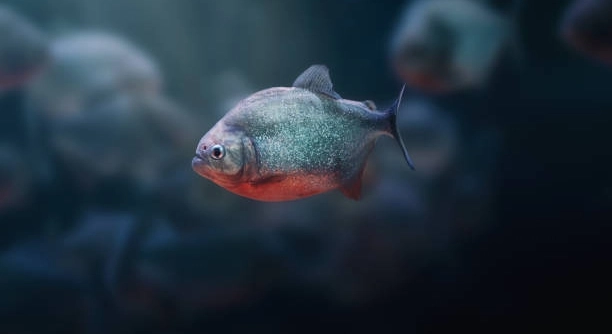
Keeping a piranha tank at the right temperature is important for the health of your fish. Tanks that are too warm can cause stress and illness. Many owners may not realize how temperature affects their piranhas’ well-being.
A piranha tank is considered too warm when the water temperature exceeds 80°F (27°C), which can lead to increased metabolism, stress, and a higher risk of disease. Monitoring water temperature regularly helps maintain a stable and healthy environment for the fish.
Understanding the signs of overheating can help you protect your piranhas and improve their living conditions. This guide will explain what to watch for and how to keep your tank temperature balanced.
Signs Your Piranha Tank Is Too Warm
When your piranha tank gets too warm, the fish will show clear signs of stress. They may swim slower or stay near the surface more often, trying to find cooler water. You might notice them gasping for air or hiding more than usual. Warm water also lowers oxygen levels, making it harder for the fish to breathe. Over time, these conditions can cause your piranhas to lose appetite or develop unusual spots or fungus on their bodies. Sometimes, aggressive behavior increases, as the fish become more irritable. Watching for these signs early helps you act before serious harm occurs.
Maintaining consistent temperature is key to avoiding these problems. Sudden changes can also stress your piranhas.
If your fish seem restless or lethargic, checking the temperature is the first step. Adjusting the heater or cooling the tank can help bring them back to normal.
How to Keep Your Tank Temperature Stable
Temperature fluctuations can be harmful, so using a reliable heater with a thermostat is essential. A good thermometer lets you monitor water temperature daily. Avoid placing the tank near windows or heat sources that cause changes throughout the day. If your room gets very warm, consider using a fan or aquarium chiller. Regular water changes with cooler water can also help maintain balance.
Keeping your tank at a steady 75–80°F (24–27°C) supports your piranhas’ health and activity. Remember that consistent care will prevent many common temperature-related issues and keep your fish happy. Monitoring and adjusting the environment as needed is the best way to protect your tank.
Checking Your Tank Temperature Regularly
Use a reliable aquarium thermometer to check your tank’s temperature every day. Consistency matters more than exact numbers. This helps catch any unusual rises early before they affect your piranhas.
Daily temperature checks allow you to spot trends, such as gradual heating during hot days or heater malfunctions. If you notice temperatures creeping above 80°F, it’s time to take action. Keeping a simple log can help track changes over time and make adjustments easier. A floating or stick-on thermometer works well for quick readings. Avoid relying on guesswork—accurate readings protect your fish.
Along with temperature, observe water conditions and fish behavior. Regular monitoring creates a healthier environment, preventing stress-related illness linked to heat. The more aware you are of your tank’s state, the better care you can provide.
Adjusting Temperature Without Stressing Your Piranhas
Sudden temperature changes can stress your piranhas more than slightly warm water. Make adjustments gradually, changing water temperature by no more than 1–2°F per hour. Rapid cooling or heating shocks fish and can cause health issues.
When using cooler water for changes, mix it with tank water to avoid a harsh shift. If lowering temperature, small water changes throughout the day are safer than one big change. Using a fan or aquarium chiller helps lower temperature steadily without disturbing fish.
If you increase temperature, raise it slowly with the heater’s thermostat setting. This keeps piranhas comfortable while avoiding stress. Patience and careful steps are key to safe temperature adjustments.
Causes of Excessive Tank Warmth
Tanks can become too warm due to direct sunlight, faulty heaters, or poor ventilation. Placing the tank near windows or heating vents increases the risk of overheating. It’s important to keep these factors in mind when setting up your tank.
Equipment failure, such as a heater stuck on high, also raises water temperature quickly. Regular checks help prevent this.
Using Equipment to Control Temperature
A reliable aquarium heater with a built-in thermostat helps maintain stable warmth. Pair it with a quality thermometer to monitor conditions accurately. For warmer climates, consider an aquarium chiller or fan to avoid overheating.
Signs of Heat Stress in Piranhas
Heat-stressed piranhas often gasp at the surface and show reduced appetite. They may also become lethargic or swim erratically, signaling discomfort or oxygen shortage.
FAQ
How do I know if my piranha tank is too warm?
You can tell if the tank is too warm by regularly checking the water temperature with a thermometer. If the temperature goes above 80°F (27°C), it’s too warm for piranhas. Signs like fish gasping at the surface, hiding more, or acting lethargic also indicate heat stress.
Can warm water kill my piranhas?
Yes, prolonged exposure to water warmer than 80°F can weaken your piranhas’ immune systems, making them prone to disease and even death. Warm water holds less oxygen, so the fish may suffocate if conditions don’t improve.
What is the ideal temperature for a piranha tank?
The ideal temperature range is between 75°F and 80°F (24°C to 27°C). Keeping the temperature steady within this range helps maintain their metabolism and health.
What causes the temperature in my tank to rise?
Common causes include placing the tank near windows or heating vents, malfunctioning heaters, and poor air circulation. Summer heat can also warm the tank if it’s in a hot room.
How often should I check the tank temperature?
It’s best to check at least once a day, especially during hot weather or if you notice your fish acting differently. Frequent checks prevent sudden temperature changes that stress piranhas.
What should I do if the tank gets too warm?
Start by improving ventilation or moving the tank away from heat sources. Use a fan or aquarium chiller if needed. Perform small, gradual water changes with cooler water to bring the temperature down safely.
Can I use tap water to cool my tank?
Yes, but make sure the tap water matches the tank’s pH and hardness levels. Add it slowly in small amounts to avoid shocking the fish with sudden temperature changes.
Will turning off the heater fix a warm tank?
Turning off the heater might help if it’s malfunctioning or the room is warm enough. However, don’t rely on this during cold weather or nights, as piranhas still need a stable temperature.
Are all piranhas sensitive to temperature changes?
Most piranhas prefer stable temperatures but some species tolerate slight variations better than others. Still, sudden shifts or consistently high temperatures can cause problems for all piranha types.
How do I prevent temperature problems in the future?
Place your tank in a cool, shaded area away from direct sunlight and heat sources. Use reliable equipment like thermostats and thermometers. Regular maintenance and monitoring keep conditions stable.
Is it normal for the temperature to rise during summer?
Yes, tank water can warm up during hot months. This makes it extra important to monitor temperature daily and take steps to cool the tank if needed.
Can temperature fluctuations harm baby piranhas more than adults?
Yes, young piranhas are more sensitive to temperature changes. Keeping a consistent temperature is critical for their growth and survival.
What equipment helps maintain a stable tank temperature?
A good heater with a built-in thermostat, a quality thermometer, and, if needed, a chiller or fan are essential tools for controlling temperature effectively.
How long can piranhas survive in warm water?
Survival time depends on how warm the water is and other tank conditions. Short periods above 80°F may be tolerated, but longer exposure increases risk of illness and death.
Can poor water quality make temperature issues worse?
Yes, poor water quality combined with high temperature stresses fish more. Keeping the tank clean helps piranhas better handle temperature changes.
Final Thoughts
Keeping your piranha tank at the right temperature is very important for the health and happiness of your fish. Water that is too warm can cause stress and make your piranhas more likely to get sick. When the tank temperature goes over 80°F (27°C), it becomes a risk to their well-being. That is why regular monitoring of the temperature is necessary. Simple tools like thermometers and heaters with thermostats can help maintain a steady environment. Paying close attention to how your fish behave and how the water feels will give you good clues about the temperature’s effect.
It is also important to avoid sudden changes in temperature. Piranhas do not handle rapid shifts well, and this can lead to illness or death. If you need to lower or raise the temperature, do it slowly and carefully. Mixing cooler or warmer water with the tank water before adding it helps avoid shocking the fish. Using fans or aquarium chillers during hot weather can be a great way to keep the water comfortable. Moving the tank away from direct sunlight or heat sources reduces the chance of overheating. Little steps like these make a big difference in keeping your fish safe.
Finally, maintaining good water quality is just as important as keeping the right temperature. Clean water helps your piranhas fight off stress and disease caused by warm conditions. Regular water changes, careful feeding, and removing uneaten food will support your fish’s health. When temperature and water quality are both well managed, your piranhas will be more active and live longer. Taking time to care for the tank environment shows in how well your fish thrive. These practices help ensure a balanced and healthy home for your piranhas.

Hello,
If you enjoy the content that we create, please consider saying a "Thank You!" by leaving a tip.
Every little bit helps us continue crafting quality advice that supports the health, happiness, and well-being of pets around the world, for pets of all shapes, sizes, and species.
We really appreciate the kindness and support that you show us!