
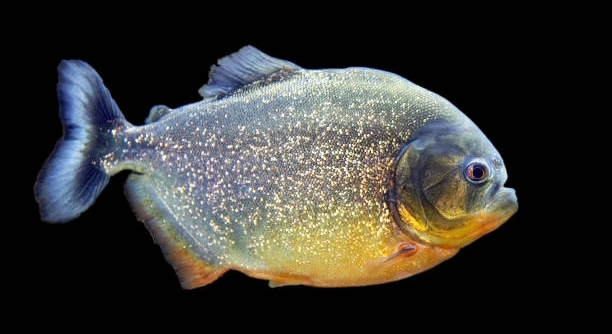
Feeding piranhas during their molting periods requires special care to keep them healthy and stress-free. Their behavior and dietary needs change, so knowing how to adjust feeding routines is important for any keeper. Proper feeding helps support their recovery.
Piranhas are vulnerable during molting, making gentle feeding essential. Providing softer, easily digestible foods and reducing feeding frequency prevents injury and stress. Monitoring their condition ensures they receive adequate nutrition while protecting their sensitive new skin.
Understanding these feeding adjustments can improve your piranhas’ health during vulnerable times. The following tips will help you care for them more effectively throughout their molting stages.
Understanding Molting in Piranhas
Molting is a natural process where piranhas shed their old skin and grow new, softer skin underneath. This makes them more delicate and vulnerable for a few days. During this time, their behavior often changes—they may become less active or refuse to eat. The molting period usually lasts several days, and proper care during this time is crucial to help them heal and avoid infections. Keeping the water clean and stable helps reduce stress.
Molting piranhas need calm environments to recover without disturbances.
Since their skin is fragile during molting, feeding them the right type of food is very important. Hard or sharp food can injure the new skin. Soft, protein-rich foods like bloodworms or finely chopped fish pieces are easier for them to eat. Smaller meals given less often will also help prevent stress and encourage healing. Watching their behavior closely allows you to adjust feeding and tank conditions as needed.
Adjusting Feeding Frequency and Food Type
Reducing feeding frequency helps avoid overfeeding and stress during molting.
During molting, piranhas’ digestion slows down, so feeding them less often reduces the risk of uneaten food polluting the tank. Smaller, softer meals support their weakened system better than large portions. Foods rich in protein aid in tissue repair, helping them recover faster. Avoiding hard pellets or live feeder fish reduces the chance of skin damage or injury. Offering food at times when piranhas are most active improves the chances they will eat.
Observing your piranhas carefully during this period will help you understand their feeding needs better. If they refuse food for a day or two, don’t force feed them, but ensure water quality remains excellent. After molting, you can gradually return to their regular feeding schedule as they regain strength. Adjustments like these make a noticeable difference in their health and wellbeing.
Maintaining Water Quality
Clean water is essential during molting because piranhas are more prone to infections.
Keeping the tank water clean reduces the risk of bacteria and parasites harming their sensitive skin. Regular water changes, proper filtration, and testing water parameters help maintain a healthy environment.
Even small changes in water quality can stress piranhas during molting, so it’s important to monitor ammonia, nitrite, and nitrate levels closely. Avoid sudden temperature fluctuations, as these can weaken their immune system. A well-maintained tank supports quicker healing and reduces the chance of illness during this delicate period.
Handling Stress and Tank Environment
Stress can delay molting and healing, so creating a calm tank environment is crucial.
Limiting loud noises, sudden movements, and overcrowding helps keep piranhas relaxed. Adding hiding spots like plants or caves gives them safe places to retreat, which lowers stress levels. Avoid handling or moving them unnecessarily during molting to prevent injury.
A stable, quiet environment with minimal disturbances supports their natural recovery process. This care makes a big difference in their overall health and feeding response during molting periods.
Watching for Signs of Molting
Recognizing molting signs early helps provide better care.
Look for dull or cloudy skin and reduced activity. Piranhas may hide more and eat less as they prepare to molt.
Providing Supplementary Nutrition
During molting, extra vitamins and minerals support faster healing and skin regeneration. Offering supplements or specially formulated foods can improve their recovery. Consult your vet or aquarium expert for appropriate options.
Avoiding Aggressive Tankmates
Keep aggressive or territorial fish away during molting. Piranhas are more vulnerable to bites or attacks when their skin is soft and fragile. Reducing tank stressors helps prevent injuries and promotes healing.
How long does the molting process usually take for piranhas?
Molting typically lasts from three to seven days, depending on the individual piranha and its environment. During this time, their old skin loosens and is shed to reveal new, softer skin underneath. Temperature, water quality, and overall health can influence the exact duration.
What are the best foods to feed piranhas during molting?
Soft, protein-rich foods work best during molting. Examples include bloodworms, finely chopped fish, and specially prepared sinking pellets that are gentle on their delicate skin. Avoid hard or sharp foods that might injure their new skin. Small, frequent meals are easier for them to digest.
Should I feed my piranha less during molting?
Yes, reducing feeding frequency is recommended. Their digestion slows down during molting, and overfeeding can lead to uneaten food polluting the tank. Feed smaller portions less often and monitor their appetite carefully. If they refuse food for a day or two, it’s usually okay.
Can poor water quality affect molting?
Absolutely. Dirty or unstable water can cause infections or stress, delaying molting and healing. Keep ammonia, nitrite, and nitrate levels in safe ranges, and maintain stable temperatures. Regular water changes and proper filtration are crucial during this sensitive period.
How do I know if my piranha is stressed during molting?
Signs of stress include hiding more than usual, reduced movement, and refusal to eat. Sudden darting or aggressive behavior may also occur. Creating a calm tank environment with hiding spots and minimal disturbances helps reduce stress.
Is it safe to keep other fish with piranhas while they molt?
It’s best to avoid aggressive or territorial tankmates during molting. Piranhas’ soft skin makes them vulnerable to bites or attacks. If tankmates are causing stress or injury, consider temporary separation until molting is complete.
Can I use supplements to help my piranha during molting?
Yes, vitamin and mineral supplements can support skin regeneration and overall health. Use aquarium-safe supplements designed for fish, and follow dosage instructions carefully. Consulting a vet or aquarium specialist is a good idea before starting supplements.
What if my piranha refuses to eat during molting?
This is common and usually not a problem if it lasts only a few days. Focus on maintaining water quality and reducing stress. Offer tempting soft foods periodically, but don’t force feed. If refusal continues beyond a week, seek advice from a fish health professional.
How often should I check water parameters during molting?
Daily monitoring is ideal during molting to catch any changes early. Keep ammonia and nitrite at zero, and nitrates low. Stable temperature and pH are also important. Frequent checks help prevent issues that could slow recovery.
Can stress delay or interrupt the molting process?
Yes, stress can cause molting to take longer or fail. Minimizing noise, handling, and tank disturbances is essential. Providing hiding spots and maintaining consistent tank conditions helps piranhas feel secure, allowing molting to progress smoothly.
Should I change my regular tank maintenance routine during molting?
Basic maintenance should continue but be gentle. Avoid sudden changes or strong water currents that could disturb piranhas. Perform regular partial water changes and clean filters carefully to maintain water quality without stressing the fish.
What signs indicate molting problems or infections?
Look for redness, swelling, or white patches on the skin. If the piranha scratches itself against tank decorations or shows lethargy beyond normal molting behavior, it may have an infection. Immediate water quality improvement and veterinary care may be necessary.
Can molting frequency vary between individual piranhas?
Yes, factors like age, health, diet, and environment affect molting frequency. Younger piranhas may molt more often as they grow, while adults molt less frequently. Monitoring each fish’s patterns helps tailor care during these periods.
Is temperature important during molting?
Maintaining a stable temperature is critical. Sudden drops or rises can stress piranhas and delay healing. Keep the tank within the recommended range for your species, usually around 75–82°F (24–28°C), to support a smooth molting process.
What should I avoid feeding during molting?
Avoid hard pellets, large live feeders, or anything sharp that can injure soft skin. Also, avoid overfeeding, which can cause water quality issues and stress. Stick to small, soft foods and adjust feeding amounts according to the fish’s condition.
How soon after molting can I return to normal feeding?
Once the skin has hardened and the piranha starts acting normally, usually within a week, you can gradually return to regular feeding. Increase portion sizes slowly to avoid digestive problems and monitor for any signs of stress or injury.
Taking good care of piranhas during their molting periods is important for their health and well-being. Molting makes their skin soft and fragile, so feeding and tank care need to be adjusted carefully. Providing softer foods, feeding less often, and maintaining clean water all help protect piranhas from injury and stress. These small changes can make a big difference in how quickly they recover and how comfortable they feel during this vulnerable time.
Watching piranhas closely during molting lets you notice any problems early. If you see signs like refusal to eat, hiding, or skin issues, it’s important to respond with gentle care and good water quality. Stress should be minimized by keeping the tank environment calm and quiet. Giving them places to hide and avoiding aggressive tankmates can help piranhas feel safer. Supporting their immune system with proper nutrition and supplements can also promote healing. These steps create the best conditions for a smooth molting process.
Overall, caring for molting piranhas takes patience and attention. Every piranha may react a little differently, so it’s important to be flexible and adjust your approach as needed. Keeping their needs in mind during molting will help keep them healthy and active once they have finished shedding. With proper care, piranhas will continue to thrive and show their natural behaviors in your aquarium. Taking these precautions makes the molting period easier for both the fish and the keeper.

Hello,
If you enjoy the content that we create, please consider saying a "Thank You!" by leaving a tip.
Every little bit helps us continue crafting quality advice that supports the health, happiness, and well-being of pets around the world, for pets of all shapes, sizes, and species.
We really appreciate the kindness and support that you show us!