
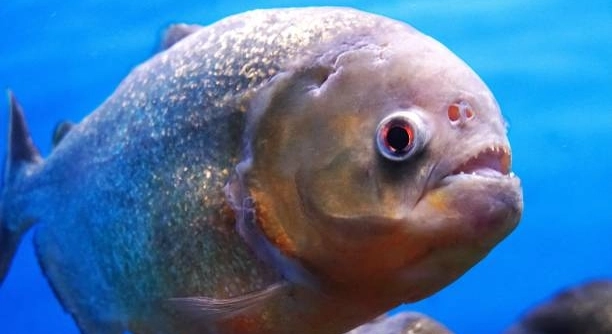
Many people keep piranhas as pets and worry about their care during unexpected situations. Power outages can cause changes in the aquarium environment. Knowing how these fish react helps owners prepare better for emergencies.
Piranhas can survive short power outages if their tank conditions remain stable, but longer outages risk harming water quality and oxygen levels. Maintaining filtration and aeration is critical to their survival during such events.
This article will explain how power outages affect piranhas and offer practical backup tips to keep them safe and healthy.
How Power Outages Affect Piranha Tanks
During a power outage, the main issue for piranhas is the loss of filtration and aeration in their tank. Without a filter running, harmful waste like ammonia and nitrites can quickly build up in the water. This can make the environment toxic for the fish. Additionally, the lack of an air pump reduces oxygen levels, which can stress or even suffocate the piranhas. Temperature control may also become a problem if the heater stops working, especially in cooler climates. Sudden changes in water conditions can weaken the fish’s immune system, making them more vulnerable to illness. It’s important to keep an eye on water clarity and behavior of the piranhas during these times. Taking quick action to maintain water quality can prevent serious problems. Small outages might not cause immediate harm, but longer power failures increase risks significantly.
The biggest risk is poor water quality caused by lack of filtration. This can damage your piranhas’ health fast.
Having a plan for backup power or alternative aeration methods helps protect your fish during outages.
Backup Tips for Keeping Piranhas Safe
A simple way to help during power outages is to have battery-powered air pumps ready. These devices provide oxygen and keep water moving, which helps reduce stress on the fish. Another option is using a manual air pump, which can be operated by hand when electricity is out. Keeping a small container of clean water for emergency water changes is also useful to dilute toxins if needed. Monitoring water temperature with a battery-operated thermometer helps you know if additional heating is necessary. In cold weather, wrapping the tank in blankets can slow temperature drops. It is best to avoid feeding piranhas during outages because uneaten food worsens water quality. Preparing these items beforehand will make managing a power outage less stressful and keep your piranhas healthier.
Backup air pumps and manual aeration tools are critical for emergency care.
Having emergency supplies and knowing how to use them ensures your piranhas survive longer outages with fewer problems. It also gives you peace of mind. Make sure to test your backup devices regularly and store them in an easy-to-access place. Planning ahead means you can respond quickly and keep your fish in stable conditions until power returns.
What to Do During a Power Outage
The first step during a power outage is to check your piranhas’ behavior and water condition. Look for signs of stress, such as gasping at the surface or unusual swimming. Avoid feeding them until the power is restored.
If you have a backup air pump, set it up immediately to keep oxygen flowing. If not, gently stir the water surface to increase oxygen exchange. Keep the tank covered with a blanket to maintain temperature. Avoid opening the tank too often, as this can cause temperature fluctuations and stress. Monitor the fish closely, and be prepared to do partial water changes if water quality deteriorates.
During longer outages, try to perform small water changes using clean, dechlorinated water to lower toxin levels. Keep your hands clean and avoid adding soap or chemicals accidentally. If possible, move the tank to a cooler, shaded place to prevent overheating. The key is to maintain stable conditions and minimize stress as much as possible until power returns.
Common Mistakes to Avoid
Overfeeding during a power outage is a major mistake because uneaten food decomposes quickly and worsens water quality. Resist the urge to feed your piranhas if the filter isn’t working. Another error is opening the tank lid too often, which disrupts temperature and can stress the fish. Avoid adding chemicals or treatments without proper guidance, as the fish are already vulnerable.
Not having a backup plan for aeration or filtration can leave your piranhas at high risk. Preparing emergency supplies and knowing how to use them is essential. Failing to monitor water temperature and quality during an outage may also cause serious problems. Taking these precautions helps protect your fish and prevents avoidable harm in emergency situations.
How Long Can Piranhas Survive Without Power?
Piranhas can survive without power for a short time if the water remains oxygenated and temperature stable. However, without filtration and aeration, water quality declines quickly, putting them at risk.
The exact time depends on tank size, fish load, and conditions. Generally, piranhas can last 4–6 hours without power before serious harm occurs.
Signs Your Piranhas Are Stressed
Look for rapid gill movement, gasping at the surface, lethargy, or erratic swimming. These signs indicate low oxygen or poor water quality.
When to Use Emergency Water Changes
Perform emergency water changes if you notice cloudy water, foul smell, or fish distress. Use clean, dechlorinated water to dilute toxins and improve conditions. Frequent small changes are better than one large one.
FAQ
How do I keep my piranhas alive if the power goes out for a long time?
If the power outage lasts several hours or more, use battery-powered air pumps or manual aeration tools to maintain oxygen levels in the tank. Avoid feeding the fish during this time to reduce waste buildup. Perform small water changes with clean, dechlorinated water if water quality worsens. Keep the tank covered with blankets to maintain temperature. If possible, move the tank to a cooler or shaded area. Having emergency supplies ready and knowing how to use them makes a big difference.
Can piranhas survive without a filter for 24 hours?
Piranhas can survive without filtration for about 24 hours if oxygen levels are maintained and the tank is not overcrowded. However, harmful toxins like ammonia and nitrites will start accumulating after several hours, which can stress or harm the fish. It’s important to provide aeration and keep water stable. After the outage, test water quality and do partial water changes as needed to restore safe conditions.
What signs show my piranhas are in trouble during a power outage?
Watch for rapid gill movement, gasping at the water surface, erratic swimming, or lethargy. Cloudy or smelly water also indicates poor conditions. These signs mean your piranhas need more oxygen and cleaner water. Acting quickly by adding aeration or doing partial water changes can help reduce stress and avoid health issues.
Is it safe to feed piranhas during a power outage?
It’s best not to feed piranhas during a power outage because uneaten food can decay and pollute the water quickly when filtration is off. This worsens water quality and increases toxin levels. Wait until the power returns and water quality is stable before feeding again.
How can I prepare my piranha tank for possible power outages?
Keep battery-powered or manual air pumps ready as backup aeration sources. Store clean, dechlorinated water for emergency water changes. Have a battery-operated thermometer to monitor temperature. Learn how to do small water changes safely. Wrapping the tank with blankets can help maintain temperature in cold weather. Regularly check and maintain all backup equipment to ensure it works when needed.
What should I avoid during a power outage to protect my piranhas?
Avoid overfeeding, opening the tank lid frequently, and adding chemicals without guidance. Don’t ignore signs of stress or water quality issues. Avoid using untreated tap water for water changes. Opening the tank too often causes temperature swings, which stress the fish. Keep the tank stable and calm during outages.
How do temperature changes affect piranhas in a power outage?
Piranhas need stable temperatures to stay healthy. If the heater stops during a cold outage, water temperature can drop and cause stress or illness. In warm climates, tanks can overheat if ventilation is poor. Covering the tank with blankets in cold weather slows heat loss. Moving the tank to a cooler, shaded spot can help during heat waves. Monitoring temperature with a battery-powered thermometer is important.
Can I use a generator to power my aquarium equipment?
Yes, a generator can keep filters, heaters, and air pumps running during outages. Make sure the generator is placed safely outdoors to avoid carbon monoxide risks. Use extension cords rated for outdoor use. Test your setup beforehand to ensure it can handle your aquarium equipment’s power needs.
How often should I check on my piranhas during an outage?
Check your piranhas every 30 minutes to an hour, especially during longer outages. Look for signs of stress, changes in behavior, or water condition issues. Frequent monitoring allows you to respond quickly with aeration or water changes if needed.
Are all piranha species equally tolerant to power outages?
Tolerance varies depending on species, tank size, and water conditions. Generally, larger tanks with fewer fish offer more stable environments during outages. Some species are hardier and can handle short periods without filtration better than others. Knowing your piranha species and their needs helps prepare properly.
When a power outage happens, caring for your piranhas can feel challenging. These fish rely on stable water conditions to stay healthy, and the loss of filtration and aeration can quickly affect their environment. It’s important to understand that short outages may not cause serious problems if you take some simple steps. Providing oxygen through battery-powered air pumps or manual stirring can help keep your piranhas comfortable until power returns. Avoid feeding them during this time to prevent waste buildup, which can harm water quality. Keeping the tank covered with blankets can help maintain temperature and reduce stress on the fish.
Longer power outages require more attention and preparation. Having a backup plan is key to protecting your piranhas during these times. This includes having emergency supplies like battery-operated air pumps, clean dechlorinated water for partial water changes, and tools to monitor temperature. Knowing how to safely perform water changes and maintain aeration will improve your fish’s chances of staying healthy. It’s also important to watch your piranhas closely for signs of distress, such as rapid gill movement or unusual swimming patterns. Acting quickly when you notice problems can prevent bigger issues.
Planning ahead is the best way to keep your piranhas safe in any situation. Regularly check that your backup equipment works and keep it easy to reach. Avoid common mistakes like overfeeding or opening the tank too often during an outage, as these can cause additional stress for your fish. Maintaining stable water quality, oxygen levels, and temperature will help your piranhas survive power outages with less risk. With the right preparation and care, your piranhas can remain healthy even when the power goes out.

Hello,
If you enjoy the content that we create, please consider saying a "Thank You!" by leaving a tip.
Every little bit helps us continue crafting quality advice that supports the health, happiness, and well-being of pets around the world, for pets of all shapes, sizes, and species.
We really appreciate the kindness and support that you show us!