
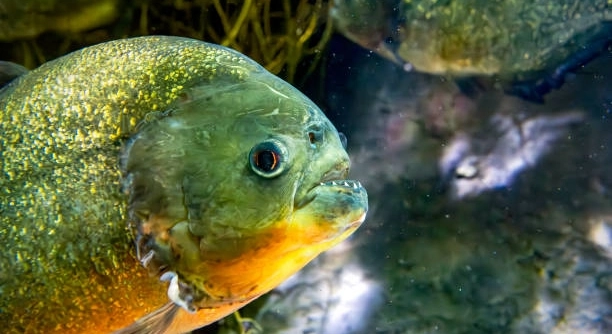
Have you ever wondered how long a piranha can live in a home aquarium? Keeping piranhas as pets is becoming more popular, and understanding their lifespan helps in caring for them properly. These fish need specific conditions to thrive.
Piranhas can live between 5 to 10 years in a well-maintained home tank. Their lifespan depends on factors such as tank size, water quality, diet, and overall care. Proper environment and nutrition are crucial to ensure their longevity.
Knowing the typical lifespan of piranhas helps owners provide the best care possible. This article will explain the key elements that influence how long these fascinating fish can live at home.
Understanding Piranha Lifespan in Home Tanks
Piranhas typically live 5 to 10 years in home aquariums, but this can vary depending on how well they are cared for. Factors like water temperature, tank size, and diet play a big role. These fish need clean water with stable conditions. A tank that is too small or overcrowded stresses them, reducing their lifespan. Feeding the right food is also important—piranhas need a diet rich in protein to stay healthy. Regular water changes and monitoring water parameters like pH and ammonia levels help prevent diseases. Unlike some fish, piranhas are active and can become aggressive if their environment is poor. Keeping the tank environment consistent and suitable is key to helping them live a longer life.
Proper care involves understanding their natural needs and replicating them in the tank. This helps maintain their health and behavior.
Taking time to learn about piranha care improves their lifespan and keeps them healthy and active in your aquarium.
Tank Setup and Maintenance
A suitable tank for piranhas should be large enough to give them space to swim. A 30-gallon tank or bigger is recommended for a small group of piranhas. Clean water is vital to their health. Filtration systems that maintain water quality and remove waste are necessary. Regular water changes, about 20% each week, prevent toxins from building up. Temperature should stay between 74°F and 82°F, matching their natural habitat. Decorations like plants or rocks offer hiding spots but avoid overcrowding the tank. Testing the water often ensures the conditions stay safe. Good maintenance keeps stress low and supports their immune system, helping them live longer.
Feeding and Health Care
Feeding piranhas properly supports their growth and longevity. They need a balanced diet, mostly made up of protein sources like fish, shrimp, or specially designed pellets. Overfeeding can cause water pollution and health problems, so it’s best to feed them once or twice daily in small amounts. Watch their behavior to spot any changes that could indicate illness. Signs of poor health include loss of appetite, lethargy, or unusual spots on their body. Keeping their environment clean and stable helps prevent disease. Prompt attention to health issues can improve survival rates. Regular feeding and good water quality are the foundation for strong, healthy piranhas.
Common Challenges When Keeping Piranhas
Piranhas can be aggressive, especially if the tank is too small or overcrowded. This behavior often leads to stress and injury. Maintaining water quality is another challenge since waste builds up quickly in their tanks. Proper filtration and regular cleaning are essential to prevent health issues.
Aggression among piranhas is usually due to limited space or competition for food. Keeping them in groups of at least four reduces fighting by spreading aggression. Providing plenty of hiding places also helps calm them. Water quality can decline fast because piranhas produce a lot of waste. A strong filter and frequent partial water changes are needed to keep ammonia and nitrate levels safe. Neglecting these steps often leads to infections and shorter lifespans.
Feeding can be tricky too. Piranhas require a high-protein diet, but overfeeding can pollute the water and cause obesity. Careful portion control and removing uneaten food promptly help maintain water cleanliness and fish health.
Signs Your Piranha Needs Better Care
Behavioral changes like hiding more than usual or refusing food may indicate stress or illness. Physical signs include torn fins, spots, or discoloration on the body. Poor water quality is often the cause of these problems.
Watching your piranha’s behavior closely is important. Sudden aggression or lethargy can signal problems. Check the tank environment regularly, testing for harmful chemicals or incorrect temperature. Improving water conditions often resolves early signs of illness. If physical symptoms appear, such as damaged fins or white spots, these could mean infections or parasites needing treatment. Quick action in improving care and possibly consulting a vet or fish expert will increase your piranha’s chances of recovery and a longer life.
Ideal Tank Conditions
Stable water temperature between 74°F and 82°F is essential for piranhas’ health. Sudden changes can stress them and reduce their lifespan. Maintaining proper pH levels between 6.5 and 7.5 also supports their well-being.
Good filtration keeps water clean by removing toxins and debris. Regular testing of water parameters helps catch issues early before they affect the fish.
Importance of Social Environment
Piranhas are social fish that do best in groups. Keeping at least four helps reduce stress and aggression. Isolating a piranha can cause loneliness and erratic behavior, which affects its health. Proper group size encourages natural behavior and improves overall tank harmony.
Tank Size Recommendations
A minimum of 30 gallons is recommended for a small group of piranhas. Larger tanks provide more space to swim and reduce territorial fights. Bigger tanks also make it easier to maintain water quality, which directly impacts their lifespan.
Monitoring Health
Daily observation helps catch early signs of illness or stress. Prompt care prevents small problems from becoming serious.
FAQ
How often should I feed my piranha?
Feeding your piranha once or twice a day is enough. They need small amounts of food each time, enough to eat within a few minutes. Overfeeding leads to leftover food, which pollutes the water and harms their health. Watch their eating habits to adjust portions if needed.
Can piranhas live alone in a tank?
While piranhas can survive alone, they are naturally social and do better in groups of at least four. Alone, they may become stressed or aggressive. Group living helps spread out any aggression and supports more natural behavior.
What is the best diet for piranhas?
Piranhas need a high-protein diet. This includes fresh or frozen fish, shrimp, and specially made pellets. Avoid feeding them only meat scraps or processed foods. A balanced diet supports their growth and helps maintain bright colors and energy.
How big should my piranha tank be?
A tank of at least 30 gallons is recommended for a small group of piranhas. Bigger tanks help reduce stress and aggression by giving them space. Larger tanks also improve water quality, which is critical for their health and longevity.
What water temperature is ideal for piranhas?
The ideal water temperature range is between 74°F and 82°F. Temperatures outside this range can stress the fish and increase the risk of disease. Use a heater and thermometer to keep the temperature stable and consistent.
How do I keep the water clean?
Using a strong filter helps remove waste and toxins from the water. Perform weekly partial water changes of about 20% to maintain water quality. Regularly test for ammonia, nitrate, and pH levels to keep conditions safe for your piranhas.
Are piranhas aggressive towards each other?
Piranhas can show aggression, especially if the tank is overcrowded or lacks hiding spaces. Keeping a group of at least four reduces fighting, as they spread aggression among each other. Providing decorations like plants and rocks also helps reduce stress and aggression.
How do I know if my piranha is sick?
Look for signs like loss of appetite, lethargy, torn fins, or unusual spots on their body. Changes in behavior, such as hiding constantly or swimming erratically, can also indicate illness. Early detection is important for successful treatment.
Can piranhas live with other fish?
Piranhas are predatory and may attack smaller or slower fish. It’s best to keep them with similar-sized species or keep them in a species-only tank. Careful selection and monitoring are required if you want to try mixed tanks.
How long do piranhas live in captivity?
With proper care, piranhas can live 5 to 10 years in a home aquarium. Their lifespan depends on good tank conditions, diet, and stress levels. Meeting their needs consistently helps them live a full and healthy life.
What should I do if my piranha gets sick?
If you notice signs of illness, check water quality first and improve it if needed. Isolate the sick fish if possible, and consult an aquarium specialist for treatment advice. Early action improves recovery chances.
Is it necessary to provide hiding places in the tank?
Yes, hiding spots reduce stress and aggression among piranhas. Use plants, rocks, or decorations to create shelter. This helps them feel secure and supports healthier social interactions within the group.
How often should I test the water?
Testing water at least once a week is recommended. Regular tests for ammonia, nitrate, nitrite, and pH help catch problems early. Maintaining stable water conditions is key to your piranhas’ health.
Can piranhas breed in a home aquarium?
Breeding piranhas at home is possible but challenging. They need specific conditions like a large tank, clean water, and the right diet. If breeding occurs, the parents may become aggressive protecting their eggs.
What type of filter is best for piranha tanks?
A strong canister or hang-on-back filter is ideal. It should handle the tank’s volume and provide good mechanical and biological filtration. Proper filtration keeps the water clear and safe for piranhas.
How do I reduce aggression in my piranha tank?
Keep a group of at least four fish to spread aggression. Provide plenty of hiding spaces and avoid overcrowding. Feeding on a regular schedule and maintaining good water quality also help reduce stress and fighting.
Are piranhas sensitive to water changes?
Sudden large water changes can stress piranhas. It’s best to perform gradual changes, about 20% weekly. This keeps the water clean without shocking the fish. Always match the new water’s temperature and parameters to the tank’s.
What is the best way to introduce new piranhas to an existing tank?
Quarantine new fish for two weeks to prevent disease spread. Introduce them slowly by floating the bag in the tank to equalize temperature. Add them during feeding time to distract existing fish and reduce aggression.
How important is lighting for piranhas?
Moderate lighting mimics their natural habitat. Too much light can stress them, while too little affects their activity. A regular day-night cycle helps maintain healthy behavior and sleep patterns. Use timers to keep lighting consistent.
Can piranhas tolerate other water conditions like hardness?
Piranhas prefer soft to moderately hard water. They can adapt to slight variations, but sudden changes in hardness or pH may cause stress. Maintaining stable water parameters is more important than exact numbers.
What signs show a piranha is happy and healthy?
Active swimming, bright colors, and regular eating are good signs. Healthy piranhas show curiosity and interact with their environment. Clear eyes and intact fins also indicate good health. Regular observation helps you know when something is off.
When keeping piranhas in a home tank, understanding their needs is very important. These fish can live for many years if cared for properly. Providing a clean, stable environment with the right water temperature and good filtration makes a big difference in their health. Feeding them a balanced diet with enough protein also supports their growth and longevity. Paying attention to their behavior and tank conditions helps prevent many common problems. Consistent care helps your piranhas stay healthy and active over time.
Piranhas need space to swim and room to avoid stress. A tank that is too small or overcrowded can lead to aggression and health issues. Keeping a group of at least four piranhas helps reduce fighting and promotes natural social behavior. Including decorations like plants or rocks offers hiding spots, which can calm the fish and improve their well-being. Regular water testing and changes are key to maintaining a safe living space. These simple steps create a better home for your piranhas and encourage a longer life.
Taking care of piranhas requires attention and effort, but it can be very rewarding. Watching these unique fish thrive in your aquarium is satisfying. They are interesting to observe, and when their needs are met, they show natural behaviors and vibrant colors. If any signs of illness or stress appear, acting quickly is important. With proper tank setup, diet, and maintenance, piranhas can live a healthy life of 5 to 10 years or more. Understanding and meeting their needs ensures your fish will be strong and happy in your care.

Hello,
If you enjoy the content that we create, please consider saying a "Thank You!" by leaving a tip.
Every little bit helps us continue crafting quality advice that supports the health, happiness, and well-being of pets around the world, for pets of all shapes, sizes, and species.
We really appreciate the kindness and support that you show us!