
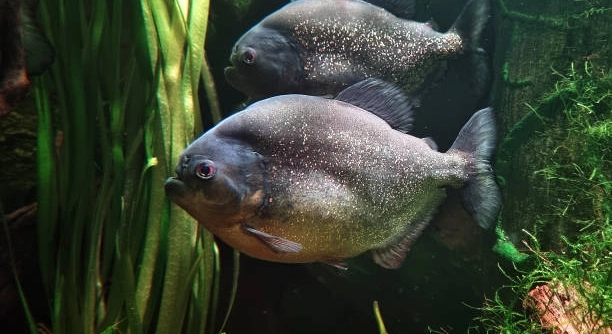
Uneaten food in a piranha tank can cause water quality issues and affect your fish’s health. Removing it carefully is important to maintain a clean and safe environment. This article will help you manage uneaten food properly.
To remove uneaten food without spooking your piranha, use a long-handled net or siphon designed for aquarium use. Move slowly and calmly to avoid sudden disturbances, ensuring minimal stress to the fish while maintaining water cleanliness and tank hygiene.
Proper food removal supports a healthier tank and happier piranhas. This guide will explain simple, effective techniques to keep your aquatic environment balanced.
Why Uneaten Food Needs Prompt Removal
Uneaten food in a piranha tank can quickly degrade water quality. Leftover particles break down and increase harmful ammonia and nitrate levels. This can cause stress or illness for your piranhas. Removing food promptly helps maintain clear water and a stable environment. It also prevents the growth of bacteria and fungi that thrive on decaying matter. Uneaten food can cloud the water and create unpleasant odors. Piranhas are sensitive to changes in their habitat, so keeping their tank clean is essential. Feeding only what your fish can consume in a few minutes reduces waste. Observing your piranhas during feeding helps estimate the right amount. Regular maintenance and timely removal of leftover food ensure healthier fish and fewer tank problems. Consistency in these practices supports the overall balance of the aquarium ecosystem and enhances the lifespan of your piranhas.
Removing uneaten food quickly prevents water contamination and keeps your fish healthy. This practice reduces the risk of disease and maintains a clean tank environment.
Proper feeding and cleaning habits work together. Feeding smaller portions at a time limits leftovers. Using tools like nets or siphons, remove excess food soon after feeding. Avoid overfeeding, as it can lead to more waste and water issues. Keeping a schedule helps with routine tank maintenance. Monitor your piranhas’ behavior to adjust feeding amounts as needed. Clean the tank regularly to remove any hidden debris or food particles. By controlling food waste, you also reduce the workload of filtration systems. A clean tank provides better oxygen levels and clarity, which is crucial for your piranhas’ wellbeing. This approach not only protects your fish but also makes tank care more manageable and enjoyable.
Tools and Techniques for Food Removal
Using the right tools can make food removal efficient and safe for your piranhas.
Long-handled nets, aquarium siphons, and turkey basters are effective options for removing leftover food. Nets allow you to scoop floating or sinking pieces without disturbing the fish too much. Siphons are helpful for vacuuming debris from the substrate, where uneaten food often settles. Turkey basters offer a gentle way to remove small particles from corners and hard-to-reach spots. Always move slowly when using these tools to avoid alarming your piranhas. Practice a steady hand and quiet movements. Cleaning equipment dedicated solely to the aquarium prevents contamination. Regularly rinsing tools in tank water keeps beneficial bacteria intact. Using the proper equipment minimizes stress on your fish while keeping the tank clean and healthy.
A slow, steady approach with appropriate tools ensures food is removed efficiently while minimizing stress on your piranhas.
When selecting equipment, consider the size of your tank and the behavior of your fish. Large tanks may require longer nets or more powerful siphons to reach all areas effectively. Smaller tanks can be managed with simple turkey basters and short nets. Choose tools made from aquarium-safe materials to avoid chemical contamination. Before use, clean your equipment thoroughly with dechlorinated water to preserve beneficial microorganisms. Position yourself comfortably beside the tank to avoid sudden movements. Remove uneaten food immediately after feeding, when it is easiest to spot. Be patient; some uneaten pieces might hide under decorations or plants. Repeated short cleaning sessions reduce the risk of stressing your piranhas compared to one long session. By integrating these techniques, you maintain water quality and keep your piranhas comfortable in their environment.
Timing Is Key When Removing Food
Removing uneaten food shortly after feeding limits water contamination. Waiting too long increases the chance of decay, which harms water quality and fish health.
Piranhas often eat quickly, so it is best to observe their feeding closely. Once they stop eating, remove any remaining food within 10 to 15 minutes. This timing helps prevent food from settling and decomposing on the tank floor. If food remains, it can produce toxins that stress your fish. Regularly timed removal also trains you to maintain better feeding habits. Consistent timing reduces the buildup of waste and improves overall tank hygiene.
Additionally, adjusting feeding times based on your piranhas’ appetite can help minimize leftovers. Some days they may eat more or less, so adapting to their behavior keeps the tank cleaner. Removing food promptly improves water clarity and lowers the risk of algae growth, which thrives on excess nutrients from decayed food.
Observing Your Piranhas’ Behavior
Watch your piranhas during feeding to identify how much they consume. This helps adjust food quantity and avoid leftovers.
When piranhas eagerly eat all offered food, you can increase portions slightly but avoid excess. If they leave food, reduce the amount next time. Piranhas may also become less active or stop eating when stressed or ill. Recognizing this can prevent overfeeding and help maintain tank health. Feeding smaller amounts multiple times a day often works better than one large feeding. It encourages natural hunting behavior and limits waste. Observing behavior also ensures you spot any changes in appetite early, which might indicate health issues requiring attention.
By understanding your piranhas’ feeding habits, you can fine-tune care routines. Regular observation supports cleaner tanks and healthier fish. This attention to detail helps balance their diet and environment effectively.
Avoiding Sudden Movements
Quick or jerky actions near the tank can scare piranhas. Move slowly to prevent stress when removing food.
Calm and steady movements signal to your piranhas that there is no threat. This helps maintain their natural behavior and keeps them comfortable during tank maintenance.
Using Feeding Tools to Control Portions
Feeding tools like tongs or feeding sticks help place food precisely, reducing waste. They allow you to control portions better and avoid overfeeding.
These tools help target specific fish and prevent food from spreading across the tank. Controlled feeding minimizes leftovers and keeps water quality stable. Over time, using feeding tools improves your ability to judge how much your piranhas actually need.
Cleaning After Feeding
Always clean leftover food promptly to maintain tank health. Regular cleaning helps prevent water quality decline and fish stress.
FAQ
How often should I remove uneaten food from my piranha tank?
Uneaten food should be removed within 10 to 15 minutes after feeding. This prevents decay and helps maintain water quality. Leaving food longer increases toxins and bacteria growth, which can harm your piranhas. Quick removal supports a healthier environment and reduces tank maintenance.
What tools work best for removing leftover food?
Long-handled nets, siphons, and turkey basters are commonly used. Nets scoop floating or sinking food, siphons vacuum debris from the substrate, and turkey basters help remove small particles in tight spots. Using aquarium-safe tools and moving slowly reduces stress for your fish.
Can I feed my piranhas more often to reduce leftover food?
Feeding smaller amounts multiple times a day is often better than one large feeding. It mimics natural feeding behavior, reduces waste, and helps control leftovers. Monitor your fish’s appetite to adjust feeding amounts and frequency accordingly.
What signs indicate my piranhas are stressed by food removal?
Signs include sudden darting, hiding, or increased aggression. If your piranhas appear restless or avoid feeding areas, slow down your movements and use tools gently. Consistent, calm actions help reduce stress during tank cleaning.
Is it better to remove all uneaten food or just the large pieces?
Removing all uneaten food is ideal because even small particles can break down and affect water quality. Complete removal helps prevent bacteria buildup and keeps the tank environment stable for your piranhas.
How can I avoid overfeeding my piranhas?
Observe your fish during feeding to see how much they consume. Feed only what they can eat within a few minutes. Gradually adjust portions based on their appetite. Avoid leaving excess food, which pollutes the tank and harms fish health.
What happens if I don’t remove uneaten food promptly?
Uneaten food decomposes, increasing ammonia and nitrate levels in the water. This creates a toxic environment, causing stress, illness, or even death in piranhas. It can also lead to algae blooms and cloudy water, making tank maintenance harder.
Can I use a filter to remove uneaten food?
Filters help break down waste but are not enough to remove uneaten food completely. Large food particles can clog filters or settle in hard-to-reach areas. Manual removal remains necessary for maintaining tank cleanliness and fish health.
Should I remove food during feeding if piranhas aren’t eating?
If piranhas do not eat within 10 to 15 minutes, remove the food to prevent spoilage. Lack of appetite can indicate stress or illness. Keeping the tank clean ensures better health and allows you to focus on addressing potential problems.
Is it safe to remove food at night?
It is better to remove uneaten food shortly after feeding, usually during the day when piranhas are active. Removing food at night may stress fish as they are less active and more sensitive to disturbances. Timely removal during feeding routines is best.
How does water temperature affect food removal timing?
Warmer water speeds up food decomposition, so timely removal is even more important in heated tanks. Cooler tanks slow down decay but still require prompt cleaning to avoid water quality issues. Adjust cleaning frequency based on tank temperature.
Can I train my piranhas to eat all the food to avoid leftovers?
While piranhas can learn feeding routines, they may still leave food depending on appetite and health. Training involves feeding consistent amounts at set times and observing their behavior. This reduces waste but doesn’t eliminate the need for careful removal.
What if I notice leftover food frequently?
Reevaluate feeding amounts and methods. Cut portions down, feed smaller meals more often, and use feeding tools to control placement. Regular observation helps reduce leftovers and keeps the tank cleaner with less effort.
Are live foods better for avoiding leftovers?
Live foods usually attract piranhas’ full attention and reduce waste. However, they require proper handling and can introduce diseases if not sourced carefully. Feeding a mix of live and prepared foods supports a balanced diet and cleaner tank.
How do I clean the tank substrate from leftover food?
Use a siphon vacuum to gently remove debris from the substrate during water changes. Avoid stirring up the substrate too much, as it can stress piranhas. Regular substrate cleaning prevents buildup of uneaten food and harmful waste.
Can leftover food cause diseases in piranhas?
Yes. Decaying food encourages harmful bacteria and parasites. These can cause infections, fin rot, and other illnesses. Prompt removal and tank cleaning reduce the risk of disease outbreaks in your piranha tank.
Final Thoughts
Maintaining a clean tank is essential for the health and well-being of your piranhas. Uneaten food can quickly spoil and cause harmful changes in water quality. Removing leftovers promptly helps prevent these issues and supports a stable environment for your fish. Consistent care and attention to feeding routines reduce waste and make tank maintenance easier over time. It also keeps your piranhas comfortable and less stressed, which contributes to their overall health.
Using the right tools and techniques for food removal is important. Slow, deliberate movements around the tank help avoid frightening your piranhas. Tools like nets, siphons, and feeding sticks allow you to remove food safely without disturbing the fish too much. Paying attention to your piranhas’ feeding habits helps adjust food amounts to avoid leftovers. Smaller, more frequent feedings often work better than large meals, preventing waste and promoting natural behaviors. Regular observation will help you maintain a balanced feeding routine and a cleaner tank.
Ultimately, taking time to care for your piranhas’ environment makes a difference in their health and happiness. Prompt removal of uneaten food protects water quality and reduces risks of disease. It also improves your enjoyment of the tank by keeping it clearer and more attractive. With consistent care and simple steps, you can create a safe and comfortable habitat for your piranhas. This allows you to focus on their care and watch them thrive over time.

Hello,
If you enjoy the content that we create, please consider saying a "Thank You!" by leaving a tip.
Every little bit helps us continue crafting quality advice that supports the health, happiness, and well-being of pets around the world, for pets of all shapes, sizes, and species.
We really appreciate the kindness and support that you show us!