
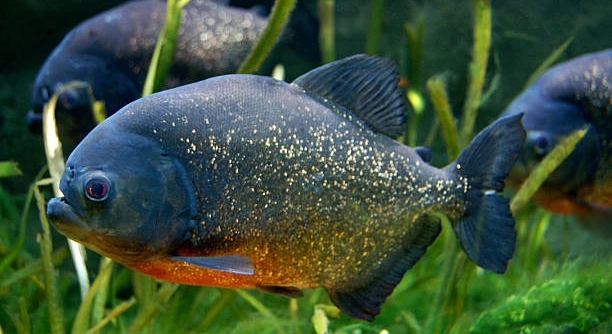
Piranhas are often seen as fierce predators in freshwater environments. These fish live among many other species, sometimes sharing the same water. Their interactions raise questions about health risks, especially related to diseases passed between fish.
Piranhas can catch diseases from other fish through waterborne pathogens and direct contact. These infections can spread in shared habitats, making disease transmission between species a common occurrence in aquatic ecosystems. Proper understanding of these risks is essential for fish health management.
Exploring how diseases spread among piranhas and other fish reveals important insights into aquatic health. This knowledge helps improve care practices and supports healthier environments for all species involved.
How Diseases Spread Among Piranhas
Diseases can spread among piranhas mainly through water that contains harmful bacteria, viruses, or parasites. Since piranhas often live in groups or near other fish species, the risk of infection increases. Injuries caused by fights or feeding behavior can also allow pathogens to enter their bodies. Water quality plays a crucial role; poor conditions weaken the fish’s immune system, making them more vulnerable to infections. Contaminated water from outside sources like runoff or overcrowding can introduce new diseases. Additionally, stress from environmental changes or limited food can reduce resistance to illness. Piranhas, like many aquatic animals, rely on clean water and balanced ecosystems to stay healthy. Maintaining these conditions is essential for preventing the spread of disease in their habitats.
Infections in piranhas can range from minor skin irritations to serious internal illnesses. Prompt care and proper tank management reduce these risks significantly.
Understanding how diseases pass among piranhas helps in identifying signs early and acting swiftly. Treating infections early can prevent outbreaks that affect entire groups or neighboring species. Quarantining new fish before introducing them to established tanks can limit disease entry. Regular water changes and monitoring water parameters are necessary steps for disease prevention. Observation of behavior and appearance is also important; lethargy, loss of appetite, or visible sores indicate health problems. Keeping piranhas in clean, stable environments supports their immune systems and reduces the chance of illness spreading. Knowing these factors makes it easier to protect piranhas and the other fish sharing their habitat.
Preventing Disease Transmission in Shared Habitats
Controlling disease spread among piranhas requires managing their environment carefully.
One effective method is maintaining excellent water quality through filtration and regular cleaning. Overcrowding should be avoided, as it increases stress and pathogen transfer. Feeding a balanced diet helps strengthen piranhas’ immune defenses. Introducing new fish only after quarantine limits exposure to unknown diseases. Monitoring fish health daily allows early intervention when signs of illness appear. Using proper medications and treatments promptly can stop infections from spreading. Lastly, ensuring that all equipment and hands are clean before handling fish reduces the risk of contamination. These steps create a safer environment for piranhas and other fish in shared habitats.
Signs of Disease in Piranhas
Piranhas showing illness often display changes in behavior and appearance. Early detection is key to effective treatment and preventing spread.
Common signs include reduced activity, loss of appetite, and visible lesions or discoloration. Piranhas may also show abnormal swimming patterns, such as erratic movements or staying near the surface. Cloudy or swollen eyes and damaged fins often indicate infection or injury. Monitoring these signs regularly can help catch problems before they worsen. Prompt action improves recovery chances and protects other fish in the same environment. Knowing what to watch for makes caring for piranhas easier and more effective.
Disease symptoms vary depending on the infection type. Bacterial infections often cause redness, sores, or ulcers, while parasitic infestations may result in scratching against surfaces or rapid breathing. Viral diseases can weaken overall health, making fish lethargic and vulnerable to secondary infections. Stress-related illnesses might manifest as faded colors or loss of scales. Identifying symptoms specific to piranhas supports accurate diagnosis and targeted treatment plans. Early veterinary or expert advice is recommended to confirm illness and prevent complications. Regular observation and quick responses are crucial for maintaining piranha health.
Treatment depends on the disease and its severity. Minor infections may clear with improved water quality and isolation from other fish. More serious conditions often require medication, such as antibiotics or antiparasitic drugs. Supportive care, including proper nutrition and stress reduction, enhances healing. Quarantining sick piranhas prevents outbreaks within the tank or habitat. Maintaining a clean environment and avoiding overcrowding reduce chances of recurrence. Understanding symptoms and treatment options empowers caretakers to protect their piranhas effectively.
Role of Environmental Factors in Disease Transmission
Environmental conditions heavily influence how diseases spread among piranhas. Poor water quality, overcrowding, and sudden temperature changes increase susceptibility to infections.
Water contaminated with waste, uneaten food, or harmful chemicals weakens fish immune systems. Overcrowded tanks or ponds cause stress, making piranhas more prone to illness. Sudden shifts in temperature can shock their bodies, reducing their ability to fight infections. Stable, clean environments help piranhas maintain natural defenses. Regular monitoring of water parameters, like pH, ammonia, and nitrate levels, prevents harmful buildup. Consistent conditions reduce stress and lower the risk of disease transmission. Controlling these factors is essential for healthy aquatic habitats shared by multiple species.
Common Diseases Affecting Piranhas
Piranhas are vulnerable to several common diseases, including bacterial infections, parasites, and fungal growths. Each disease requires specific care to manage effectively and prevent spread.
Bacterial infections often result from poor water conditions. Parasites attach to the skin or gills, causing irritation. Fungal infections usually appear as white patches on damaged areas.
Treatment Options for Piranha Diseases
Treatments vary depending on the disease type. Antibiotics are used for bacterial infections, while antiparasitic medications target parasites. Antifungal treatments help clear fungal growth. Proper dosage and duration are important to ensure recovery. Supportive care, such as improving water quality and nutrition, boosts the fish’s immune response during treatment.
Quarantine Practices
Quarantining new or sick piranhas isolates diseases and prevents spreading. A separate tank with controlled conditions supports recovery and monitoring. Proper quarantine helps protect established fish populations.
Importance of Regular Monitoring
Regular health checks help catch disease early. Observing behavior and physical condition reduces the risk of outbreaks and improves treatment outcomes.
FAQ
Can piranhas transmit diseases to humans?
Piranhas do not pose a direct risk of transmitting diseases to humans. Most infections they carry are specific to fish and aquatic environments. However, handling sick fish without proper hygiene might expose a person to bacteria or parasites common in water, so it’s important to wash hands thoroughly after contact.
How quickly do diseases spread among piranhas?
The speed of disease transmission depends on the type of pathogen and environmental conditions. In crowded or poorly maintained tanks, infections can spread rapidly within days. Good water quality and low stress slow down or prevent outbreaks significantly.
Are wild piranhas more resistant to diseases than those in captivity?
Wild piranhas tend to have stronger immune systems because of their natural habitat’s balanced conditions. Captive piranhas often face stress from confinement, water changes, and diet, making them more vulnerable to illness if not cared for properly.
What water parameters are critical to keep piranhas healthy?
Maintaining proper pH (around 6.5 to 7.5), low ammonia and nitrate levels, and stable temperatures between 75°F and 82°F is essential. Frequent testing and adjustments help prevent harmful conditions that weaken fish defenses.
Can piranhas recover fully from infections?
Many infections are treatable with prompt care and proper medication. Full recovery depends on early detection, the severity of the illness, and supportive conditions such as clean water and good nutrition. Chronic or severe cases may lead to lasting damage.
How often should piranhas be checked for signs of disease?
Daily observation is ideal, especially in tanks with multiple fish. Watching for behavior changes, appetite, or physical abnormalities allows early intervention before illness spreads.
Are there natural ways to reduce disease risk in piranhas?
Yes. Maintaining a clean environment, providing a varied diet rich in nutrients, and minimizing stress through proper tank size and hiding places help support immune health naturally. Avoid overcrowding and sudden environmental changes.
Should sick piranhas be isolated immediately?
Isolating sick fish in a quarantine tank helps prevent disease from spreading to healthy fish. It also allows targeted treatment without affecting the main tank population.
Can different fish species share a tank with piranhas without disease risk?
Mixed-species tanks increase disease risks due to varying immune responses and pathogen susceptibilities. Careful monitoring and maintaining good water quality reduce risks, but quarantine and preventive measures remain necessary.
What are the most common parasites affecting piranhas?
Common parasites include ich (white spot disease), gill flukes, and skin flukes. These cause irritation, respiratory distress, and sometimes secondary infections. Treatment with antiparasitic medication and improved water conditions is effective.
How does stress affect piranha susceptibility to diseases?
Stress lowers immune function, making piranhas more prone to infections. Causes include overcrowding, poor water quality, sudden changes in environment, or aggressive tank mates. Reducing stressors improves overall health and disease resistance.
Is medication always necessary for treating piranha diseases?
Not always. Minor issues may resolve with improved water quality and diet. However, bacterial, parasitic, or fungal infections often require specific medications to clear the disease completely and prevent relapse.
Can piranhas carry diseases without showing symptoms?
Yes. Some fish act as carriers, harboring pathogens without visible signs. This can unknowingly spread disease to other fish. Quarantine and testing new arrivals help minimize this risk.
How long should new piranhas be quarantined before joining a community tank?
A quarantine period of at least two to four weeks is recommended. This allows time to observe for illness and treat any infections before introducing new fish to established populations.
What role does diet play in disease prevention for piranhas?
A balanced diet rich in vitamins and proteins strengthens immune defenses. Feeding a variety of foods, including live, frozen, or high-quality pellets, supports health and recovery when illness occurs.
Are there specific signs that indicate a disease outbreak in a piranha tank?
Sudden changes such as increased lethargy, loss of appetite, visible sores, or unusual swimming patterns can signal an outbreak. A rise in mortality rate or multiple fish showing symptoms suggests urgent attention is needed.
Can water changes alone prevent disease spread in piranha tanks?
Water changes improve quality and remove waste but are not always enough alone. Combined with proper filtration, tank maintenance, and monitoring, they reduce disease risks effectively.
What should be done if a disease outbreak occurs despite precautions?
Immediate isolation of sick fish, treatment with appropriate medication, and thorough tank cleaning are critical. Reviewing tank conditions and care practices helps prevent future outbreaks.
How important is professional advice in managing piranha diseases?
Seeking advice from aquatic veterinarians or experienced fishkeepers ensures correct diagnosis and treatment. Professional input improves chances of recovery and overall tank health.
Are there any vaccines available for piranhas?
Currently, no vaccines are widely used for piranhas. Disease prevention focuses mainly on environmental management, quarantine, and treatment.
Can piranhas get fungal infections, and how are they treated?
Yes, fungal infections appear as white or gray cotton-like patches. Treatment usually involves antifungal medications and improving water quality to support healing.
Do piranhas have natural defenses against infections?
Piranhas produce mucus that helps protect skin from pathogens. Strong immune systems, supported by good care, are their main defense against disease.
How long does it take for piranhas to recover from common illnesses?
Recovery time varies but often ranges from a few days to several weeks depending on the disease severity, treatment, and environmental factors.
Are some piranha species more prone to disease?
Certain species may be more sensitive due to genetics or habitat preferences. Researching specific care needs for the species helps reduce disease risk.
Is it necessary to treat the entire tank if one piranha is sick?
Treating the entire tank depends on the disease and transmission risk. Sometimes only the sick fish needs treatment, but contagious diseases often require whole-tank interventions.
What is the best way to introduce new fish to avoid disease spread?
Use quarantine tanks to monitor new fish for illness, treat any infections, and acclimate them gradually before adding to the main tank.
Can overfeeding cause health problems in piranhas?
Yes, overfeeding pollutes water and stresses fish, increasing disease risk. Feeding appropriate portions supports good health.
How can I tell if my piranha’s immune system is weakened?
Signs include dull coloration, sluggishness, frequent infections, and slow healing of injuries. Improving care conditions often helps restore immunity.
Final Thoughts
Piranhas are fascinating fish with strong jaws and sharp teeth, often misunderstood because of their reputation. When it comes to disease transmission, they can catch illnesses from other fish, especially in crowded or poorly maintained environments. Just like any aquatic creature, their health depends heavily on good care, including clean water, proper diet, and stress reduction. Understanding these factors helps maintain a healthy tank and reduces the chances of disease spreading among fish.
Preventing disease in piranhas is mainly about creating a stable and clean environment. Regular water testing, quarantine for new or sick fish, and prompt treatment of any signs of illness are essential steps. Disease transmission is more likely when fish are stressed or their immune systems are weakened. Offering a balanced diet with proper nutrients also supports their health and immune response. While piranhas are tough fish, they are not immune to infections, and good husbandry practices play a key role in keeping them healthy.
It is important to stay observant and proactive when caring for piranhas. Watching for any changes in behavior, appearance, or appetite allows early detection of problems, which increases the chance of successful treatment. Consulting with aquatic health professionals or experienced fishkeepers can provide guidance when facing diseases. By focusing on preventive care and quick responses to illness, piranha owners can ensure their fish live longer and healthier lives, reducing stress for both the fish and the caretaker.

Hello,
If you enjoy the content that we create, please consider saying a "Thank You!" by leaving a tip.
Every little bit helps us continue crafting quality advice that supports the health, happiness, and well-being of pets around the world, for pets of all shapes, sizes, and species.
We really appreciate the kindness and support that you show us!