
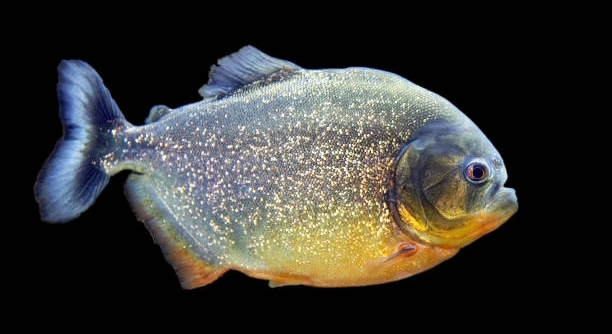
Is your piranha breathing fast and making you worry? Changes in their breathing rate can signal different issues that affect their health. Understanding the reasons behind this behavior is important for proper care and timely action.
Rapid breathing in piranhas is usually caused by stress, poor water quality, low oxygen levels, or illness. Monitoring the tank environment and ensuring clean, well-oxygenated water is crucial to prevent respiratory distress and maintain fish health.
Knowing the causes of fast breathing can help you take the right steps to improve your piranha’s well-being and avoid potential complications.
Causes of Fast Breathing in Piranhas
Fast breathing in piranhas can happen for several reasons, most of which are related to their environment or health. One common cause is low oxygen levels in the water. If the tank water is not well-aerated, the fish will struggle to get enough oxygen, causing them to breathe faster. Poor water quality also plays a big role. High levels of ammonia, nitrites, or nitrates can stress the fish and affect their gills, making breathing difficult. Stress from overcrowding or sudden changes in water temperature can lead to rapid breathing as well. Sometimes, infections or diseases targeting the gills or respiratory system cause this symptom. It is essential to regularly check water parameters, avoid overfeeding, and maintain a proper tank size to help prevent these issues and keep your piranha comfortable.
Regular water changes and proper filtration are key to maintaining healthy breathing conditions for your piranha.
Keeping your tank clean and oxygenated will reduce stress and help your piranha breathe normally and stay healthy.
How to Improve Your Piranha’s Breathing
Improving your piranha’s breathing starts with ensuring the water quality is optimal. Test the water for ammonia, nitrite, nitrate, and pH levels regularly and keep them within safe ranges. Aeration is critical; adding air stones or increasing surface agitation can boost oxygen levels. Avoid overcrowding the tank, as too many fish reduce oxygen and raise stress levels. Feeding should be moderate, as leftover food decomposes and pollutes the water. If you notice fast breathing, consider partial water changes to improve conditions quickly. Observe your fish for signs of illness like lethargy or spots. If disease is suspected, consulting an aquatic veterinarian or using appropriate medication may be necessary. Maintaining stable water temperature and minimizing sudden changes can also prevent respiratory distress. Consistent care and monitoring will help your piranha regain normal breathing and improve its overall health.
Signs That Indicate Breathing Problems
Rapid gill movement is the most obvious sign your piranha is struggling to breathe. You might also notice the fish gasping near the water surface or staying inactive more than usual. These signs indicate the fish is trying to get more oxygen.
When a piranha breathes fast, it can also show stress by clamping its fins or hiding. Loss of appetite and unusual swimming patterns often accompany breathing difficulties. These symptoms suggest that environmental or health issues are affecting the fish’s comfort and well-being. Early detection helps prevent worsening of the condition.
If you observe your piranha floating near the surface or rubbing against tank decorations, these may be signs of irritation or gill damage. Prompt action, such as water changes or treatment, is necessary to avoid serious respiratory problems.
Preventing Breathing Issues in Piranhas
Maintaining clean, well-oxygenated water is essential to prevent breathing problems. Regular water tests and partial changes keep harmful chemicals low and oxygen levels high. Proper filtration and aeration reduce stress on the fish.
Avoid sudden temperature changes, which can shock your piranha and lead to fast breathing. Feeding balanced meals in moderation prevents water pollution. Overcrowding should be avoided to ensure enough oxygen is available for each fish. Routine observation helps catch early signs of trouble before conditions worsen. Consistent care supports your piranha’s long-term health and comfort.
Water Quality’s Impact on Breathing
Poor water quality directly affects your piranha’s ability to breathe properly. Toxic substances like ammonia and nitrites damage gill tissue, causing discomfort and rapid breathing. Maintaining clean water is essential for healthy respiration.
Testing water regularly helps catch harmful chemical build-ups early. Prompt water changes reduce toxins, improving oxygen levels and easing your piranha’s breathing.
Oxygen Levels and Tank Setup
Oxygen concentration in the tank depends on surface agitation, aeration devices, and plant life. Proper tank setup with air stones or filters that promote water movement increases oxygen availability. This supports healthy breathing and reduces stress.
Illnesses That Cause Fast Breathing
Respiratory infections, parasites, and gill diseases can cause fast breathing in piranhas. These conditions damage gill tissue and reduce oxygen absorption, leading to labored respiration and stress.
Stress and Its Effect on Breathing
Stress from poor tank conditions, aggressive tank mates, or sudden changes causes your piranha to breathe faster. Reducing stress improves breathing and overall health.
FAQ
Why is my piranha breathing fast after a water change?
A sudden water change can shock your piranha if the new water differs in temperature, pH, or hardness from the tank water. This stress causes rapid breathing as the fish adjusts. Always match the water parameters closely and make changes gradually to avoid distress.
Can low oxygen cause fast breathing in piranhas?
Yes, low oxygen is a common reason for fast breathing. If the tank lacks proper aeration or has poor surface movement, oxygen levels drop. Your piranha will try to get more oxygen by increasing its breathing rate. Adding air stones or improving filtration can help.
Is fast breathing always a sign of illness?
Not always. Fast breathing can be a response to stress, poor water quality, or environmental changes. However, if it persists with other symptoms like lethargy, loss of appetite, or spots on the body, illness may be the cause and should be addressed quickly.
How often should I test my tank water?
Testing water weekly is ideal to catch problems early. Regular checks of ammonia, nitrites, nitrates, pH, and temperature help maintain a healthy environment and prevent respiratory issues.
What can I do if my piranha is breathing fast due to stress?
Reduce stress by checking water quality, avoiding sudden changes, and ensuring tank mates are compatible. Provide hiding spots and avoid overcrowding. A calm environment helps your piranha recover normal breathing.
Can overfeeding cause breathing problems?
Yes, overfeeding leads to leftover food decomposing and polluting the water. This increases toxins that harm your piranha’s gills, causing fast breathing. Feed moderate amounts and remove uneaten food promptly.
Is temperature important for my piranha’s breathing?
Temperature affects oxygen levels; warmer water holds less oxygen. Keep the tank temperature stable within the recommended range (around 75-80°F or 24-27°C) to support proper respiration and avoid stress.
When should I consider medication for fast breathing?
If fast breathing continues despite good water quality and no stress factors, it might be due to infections or parasites. Consult an aquatic vet or specialist for diagnosis and use medication as directed to treat the condition.
Can tank size affect my piranha’s breathing?
Yes, small or overcrowded tanks reduce oxygen availability and increase stress, leading to fast breathing. Ensure your piranha has enough space—ideally at least 20 gallons per fish—to breathe comfortably and reduce stress.
How does water hardness influence breathing?
Extreme water hardness or softness can stress piranhas, affecting gill function and breathing. Maintain water hardness within recommended ranges by testing and adjusting as needed to support healthy respiration.
Are live plants helpful for oxygen levels?
Live plants produce oxygen during the day and help improve water quality by absorbing nitrates. They can support better breathing conditions but must be balanced with good aeration since plants consume oxygen at night.
What role does filtration play in breathing health?
A good filter removes toxins, circulates water, and increases surface agitation, all of which improve oxygen levels. Proper filtration is essential to keep your piranha’s environment safe and help maintain normal breathing.
Can sudden noise or vibrations cause fast breathing?
Yes, sudden loud noises or vibrations can startle your piranha, causing a stress response that includes fast breathing. Keeping the tank in a quiet, stable location reduces this risk.
How can I tell if fast breathing is serious?
If your piranha breathes fast for more than a few hours, shows other symptoms like lethargy, loss of appetite, or abnormal swimming, or if the tank conditions are good, seek advice from an aquatic specialist.
Is it normal for piranhas to breathe fast during feeding?
Mildly faster breathing during feeding can occur due to excitement or activity. This should stop once feeding is over. If fast breathing continues after, it indicates another issue.
Can changing water frequently stress my piranha?
Frequent large water changes can cause stress if water parameters fluctuate. Smaller, more frequent changes with matched water conditions help maintain stability and reduce stress-related breathing problems.
What is the best way to introduce a new piranha to my tank?
Acclimate new piranhas slowly by gradually mixing tank water into their transport water over at least an hour. This reduces shock and prevents breathing stress caused by sudden environmental changes.
Should I isolate a piranha that is breathing fast?
Isolation may help reduce stress from other fish and allow you to monitor the affected piranha closely. Use a quarantine tank with stable water conditions and treatment if needed.
Can poor diet affect my piranha’s breathing?
Poor nutrition weakens the immune system and overall health, making piranhas more vulnerable to infections that can cause fast breathing. Provide a balanced diet suitable for carnivorous fish to maintain strength.
Are there natural ways to improve oxygen levels?
Besides aeration devices, live plants and surface agitation from filters naturally increase oxygen in the tank. Regular maintenance and avoiding overcrowding also help maintain good oxygen levels for healthy breathing.
Final Thoughts
Fast breathing in piranhas is a sign that something in their environment or health is not right. It is important to observe your fish carefully and check the water quality regularly. Poor water conditions, low oxygen, stress, or illness can cause your piranha to breathe quickly. Addressing these issues early helps prevent serious health problems and keeps your fish comfortable.
Maintaining a stable and clean tank environment is the best way to support healthy breathing. Regular water testing and changes, proper filtration, and ensuring the tank is not overcrowded are essential steps. Temperature should also be monitored to avoid sudden changes that can stress your piranha. Providing a calm setting with hiding spaces and compatible tank mates will reduce stress and support normal breathing patterns.
If fast breathing continues despite good care, it may be a sign of infection or other health issues. In such cases, seeking advice from a specialist or aquatic vet is recommended. Prompt treatment can improve your piranha’s condition and quality of life. Paying close attention to your fish’s behavior and environment is key to maintaining its health and wellbeing over time.

Hello,
If you enjoy the content that we create, please consider saying a "Thank You!" by leaving a tip.
Every little bit helps us continue crafting quality advice that supports the health, happiness, and well-being of pets around the world, for pets of all shapes, sizes, and species.
We really appreciate the kindness and support that you show us!