
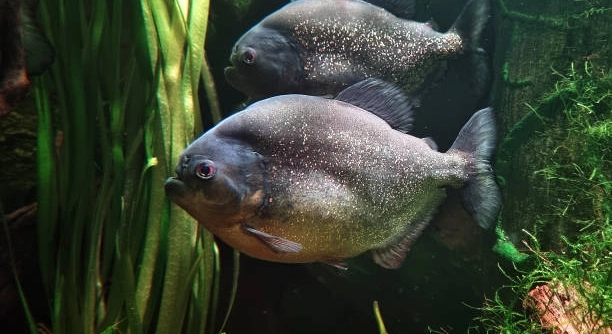
Have you ever set up an aquarium and wondered what kind of lighting would make your piranhas feel most comfortable and secure? Lighting can affect their behavior, so getting it right is important for their overall well-being.
Piranhas prefer dim lighting or environments with subdued light levels. In the wild, they inhabit murky rivers and shaded waters, so bright lights can cause stress. A low-light setup helps mimic their natural habitat and promotes calm behavior.
Learning about the right lighting setup can help reduce stress in your piranhas and create a more natural and peaceful environment for them.
Why Piranhas Prefer Low Lighting
Piranhas are naturally found in the murky, slow-moving rivers of South America. These environments are usually shaded by dense vegetation, which filters sunlight and creates a dim, calm setting. In captivity, mimicking this low-light environment helps piranhas feel more secure. Bright lighting can trigger nervous behavior, making them skittish or aggressive. Stress from harsh lighting may also weaken their immune system. Installing subdued lighting or using floating plants to reduce brightness can make a noticeable difference. It creates a calm space where piranhas behave more naturally—swimming confidently and interacting with their surroundings instead of hiding or darting around.
Avoid using high-wattage bulbs or intense LED fixtures. Soft lighting keeps them calm and less reactive.
It’s important to remember that lighting influences more than just appearance. When lighting feels natural to the fish, it helps them maintain a regular activity cycle. This includes feeding behavior, movement, and overall comfort in their tank.
How to Set Up the Right Lighting
Aim for a soft, diffused light source that doesn’t overpower the aquarium. Floating plants or tinted glass can help control brightness.
For best results, combine dim aquarium lights with visual cover such as driftwood, rocks, or artificial plants. This helps replicate a river-like environment and allows your piranhas to feel secure. You can use LED lighting with adjustable brightness, but keep it low and avoid spotlight-style fixtures. Try keeping the lights on for about 8 to 10 hours a day to simulate a natural cycle. Red or blue spectrum lighting can be useful in creating a calming atmosphere. Always monitor your fish—if they’re hiding excessively or displaying erratic behavior, the light may still be too intense. Small adjustments go a long way in creating the right environment. Prioritize their comfort and aim to make the tank feel as close to their natural habitat as possible.
Common Lighting Mistakes to Avoid
Using bright overhead lights can make piranhas feel exposed and unsafe. This often leads to hiding, poor appetite, or erratic swimming. Avoid leaving lights on for more than 12 hours, as this disrupts their natural rhythm and increases stress.
Another common issue is inconsistent lighting. Sudden changes between bright and dark environments can startle piranhas, causing them to dash into tank walls or decorations. If you need to turn lights on or off manually, do so gradually or use a dimmer. Avoid reflective tank backgrounds or clear sides that allow too much ambient room light. Also, avoid bulbs that create a shimmering effect across the water’s surface, as this can be disorienting for the fish. Observing your piranhas’ behavior after lighting changes can help you catch and correct mistakes quickly.
Maintaining a consistent and gentle light pattern supports healthier behavior. The right setup allows your piranhas to move calmly and feed without fear.
Tips for a Natural Lighting Setup
Start by placing your tank away from direct sunlight, which can be too harsh and cause algae buildup. Use adjustable LED lights to control brightness and pair them with decor that provides shade.
Keep the lighting schedule steady with a timer. This helps simulate a regular day-night cycle and reduces stress for the fish. Adding floating plants, like duckweed or frogbit, creates natural shading. Driftwood and tall aquarium plants provide cover beneath the light, allowing piranhas to choose darker areas when needed. Choose warm-toned LEDs instead of cool, bright lights to better mimic river conditions. It’s helpful to dim the lights before switching them off to avoid startling them. Always check that your tank’s lighting feels calm and stable when viewed from their level. A well-balanced light setup keeps your piranhas relaxed and lets them thrive in a more natural and comfortable home.
Signs Your Lighting Is Causing Stress
If your piranhas are hiding all the time, refusing food, or suddenly darting around the tank, the lighting may be too intense. These behaviors often point to discomfort caused by brightness or sudden light changes.
Look for pale coloring or twitchy movement near the light source. These are signs of light-related stress.
Adjusting Lighting Based on Behavior
When behavior changes, try dimming the lights or shortening the light cycle. Use a timer to keep lighting consistent each day. Add shade with plants or decorations and observe whether their swimming and feeding improve. Some fish need time to adjust, so make small changes gradually. If your piranhas seem more active and less skittish after a lighting adjustment, that’s usually a good sign the change helped. Monitor their reactions over several days and make additional tweaks only if needed. Comfortable lighting often results in more relaxed movement, better coloring, and regular feeding habits.
Choosing the Right Equipment
Choose LED lights with adjustable brightness settings to better control intensity. Look for options that allow warm color tones rather than bright white.
FAQ
Can I keep my piranha tank near a window for natural light?
It’s not recommended. Natural sunlight can be too harsh and unpredictable. It can also lead to overheating and cause algae to grow quickly, which makes the tank harder to maintain. Indirect sunlight may not cause issues, but direct exposure should be avoided. Instead, use artificial lighting you can control. This helps create a steady light cycle that suits the needs of your piranhas and prevents any sudden shifts in temperature or brightness throughout the day.
What type of bulb is best for piranhas?
LED lights are a reliable and energy-efficient option. Choose bulbs that allow adjustable brightness and offer warmer color tones instead of cool or bright white. Avoid bulbs meant for reef or plant-heavy tanks, as they tend to be too intense. The goal is to provide a calm, evenly lit tank. LEDs also produce less heat, reducing the risk of unwanted water temperature fluctuations, especially in enclosed tanks.
How many hours of light should my piranhas get each day?
Aim for 8 to 10 hours of light daily. This mimics the natural day-night cycle they’re used to in the wild. Too much light can lead to stress and algae buildup, while too little may disrupt feeding and activity. Using a timer helps ensure consistency. Avoid turning lights on and off suddenly, as this may startle your fish.
Why do my piranhas hide all the time under the current lighting?
Constant hiding is often a sign your lighting is too bright or not properly balanced. Bright light makes them feel exposed. Try adding floating plants or decorations that offer shade. If hiding continues, dim the light gradually and observe changes in behavior. Comfortable fish should swim more openly and show interest in their surroundings without constant retreating.
Can I use colored lighting in my piranha tank?
Yes, but only in moderation. Red or blue lighting can create a calming effect, especially during evening hours. Avoid using strong colored lights for the entire day, as it may affect their perception and behavior over time. Soft white with occasional red or blue accents is safer. The lighting should feel gentle, not overwhelming.
Do piranhas need complete darkness at night?
Yes, darkness is important. It helps them rest and keeps their biological rhythms stable. Keep lights off for 12 to 14 hours each night. If you need visibility in the room, a very dim nightlight can be used outside the tank. Avoid using moonlight features or glowing LEDs all night, as even low levels of light can disrupt their rest.
Should lighting change as piranhas grow?
Not necessarily, but behavior should guide your choices. Juveniles may be more sensitive and hide more under bright lights. Adults might be slightly more tolerant but still prefer low, steady lighting. Keep observing how your piranhas react and make adjustments as needed. If your tank setup changes—such as adding more open space—you may need to tweak lighting again.
What if my lighting seems fine but the fish still act nervous?
Lighting is just one part of their environment. Loud noise, vibrations, poor water quality, or tank layout can also cause stress. If you’ve already adjusted lighting and still notice skittish behavior, check for other sources of disturbance. Test water parameters, remove reflective surfaces, and make sure there’s enough cover. A calm tank setup overall makes lighting adjustments more effective.
Can overhead room lighting affect my piranhas?
Yes, it can. If the aquarium is open-topped or lacks a cover, overhead room lights can spill into the tank. Sudden room light changes—like switching on a ceiling light in the evening—can startle piranhas. Try keeping ambient room lighting consistent and dim during early morning or night hours. Using a tank lid or hood also helps shield them from abrupt changes in outside lighting.
Is there a lighting schedule I should follow when introducing new piranhas?
When bringing new piranhas home, keep the lighting low for the first few days. This gives them time to settle in without feeling exposed. Gradually increase the brightness to normal levels over a week. Keep the daily schedule regular to help them adjust. Introducing lighting slowly reduces the chance of panic or injury during the transition.
Final Thoughts
Lighting plays a quiet but important role in your piranha’s daily life. It affects how safe they feel, how often they swim around, and how well they eat and rest. While they can survive under different lighting setups, they tend to thrive when the environment matches what they’re used to in the wild. That means soft, steady lighting with dark spaces to hide. Too much brightness can stress them out. Too little light might confuse their body rhythms. What matters most is keeping things balanced and consistent.
Piranhas prefer dim, indirect lighting. It helps them feel calm and reduces hiding behavior. Using LED lights with adjustable brightness gives you control. You can lower the intensity when needed or create gentle transitions between day and night. Floating plants or shaded areas in the tank are useful too. These give the fish choices—to hide or swim freely—depending on how they feel. The more comfortable they are, the more you’ll see their natural behavior. A good lighting setup doesn’t need to be fancy. It just needs to match their needs and stay consistent.
Observing your piranhas will guide you. If they’re always hiding or seem jumpy, something may be off. Try adjusting the lighting before making major changes. A reliable timer helps keep their light cycle on track. Avoid sudden changes or overly bright bulbs. Nighttime should be quiet and dark, just like in their natural setting. Simple steps like these support their health and lower stress. With the right lighting, your piranhas can feel safe and active in their space.

Hello,
If you enjoy the content that we create, please consider saying a "Thank You!" by leaving a tip.
Every little bit helps us continue crafting quality advice that supports the health, happiness, and well-being of pets around the world, for pets of all shapes, sizes, and species.
We really appreciate the kindness and support that you show us!