
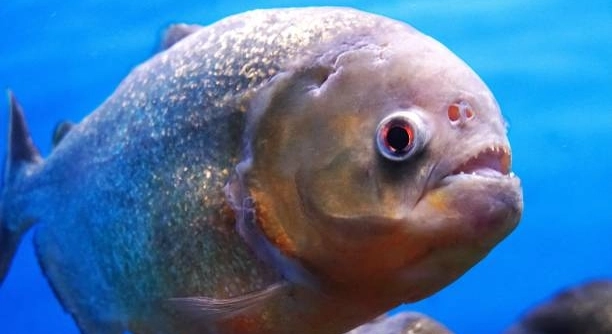
Keeping piranhas in a home aquarium can be exciting, but their aggressive behavior might cause concern. These fish are known for their sharp teeth and quick attacks, which sometimes lead to constant fighting among tank mates. Managing their environment carefully is key to reducing conflict.
If your piranha won’t stop fighting, it is important to assess tank conditions, including space, hiding spots, and feeding routines. Ensuring the aquarium is large enough and well-decorated helps reduce aggression by providing territories and distractions. Regular feeding prevents hunger-driven attacks.
Controlling aggression takes attention to detail and patience, but it is possible to create a calmer environment. Learning the right steps can improve your piranhas’ behavior and overall tank harmony.
Understanding Why Piranhas Fight
Piranhas naturally display aggressive behavior, especially when kept in close quarters. Their fighting is often linked to territorial instincts or competition for food. In small tanks, space is limited, making it harder for each fish to claim its own area. Without enough hiding spots, they feel threatened and react with aggression. Another cause is feeding habits. If food is scarce or unevenly distributed, piranhas may fight over resources. Overcrowding can also increase stress, which fuels aggressive behavior. Recognizing these triggers is the first step to calming the tank. Adjusting their environment and routine can reduce conflicts and improve the overall health of the fish.
A tank with proper space and enough hiding places helps piranhas feel secure, which lowers their need to fight.
Careful observation can reveal specific reasons your piranhas are fighting, helping you take the right actions to restore peace in the tank.
How to Reduce Aggression in Your Tank
Adding decorations like plants, rocks, and driftwood creates natural barriers, giving piranhas places to hide and claim territory. This setup lowers stress and breaks the line of sight between fish, reducing attacks. Feeding multiple spots in the tank ensures all fish get food without competition. Increasing tank size can also help by giving more room to swim and avoid each other. Keep the water clean and maintain good filtration, as poor water quality can worsen aggression. Sometimes, separating the most aggressive individuals is necessary to protect the others. Monitoring behavior closely helps you identify when changes are needed and prevents injuries. These steps create a safer, calmer environment for your piranhas.
Signs Your Piranhas Need Separation
Aggressive chasing, biting, and damaged fins are clear signs that your piranhas need some space. If fighting causes injuries, it’s time to act.
Separating the most aggressive piranhas into a different tank or quarantine area can prevent further harm. This helps calm the main group and allows injured fish to recover safely. Using a divider in the tank is another option, giving fish space without full separation. Keeping a close eye on interactions is important to know when to reintroduce fish or adjust the setup.
Sometimes, reducing the number of piranhas in a tank is necessary for harmony. Too many fish in a small space increases stress and aggression. Finding a balance between tank size and fish population is key to keeping peace and promoting healthy behavior.
Feeding Strategies to Limit Fighting
Feeding piranhas multiple times a day in smaller portions reduces competition and aggression around food. It also prevents hunger-driven attacks.
Using sinking pellets or frozen foods that distribute evenly allows all fish to eat without struggling for space. Feeding at different tank locations encourages movement and reduces clustering in one spot. Avoid overfeeding, as excess food pollutes the water and causes health issues. Providing a balanced diet supports piranhas’ well-being, making them less aggressive. Changing feeding times occasionally can also help disrupt established food-related dominance patterns, leading to a calmer tank atmosphere. Monitoring their response to feeding changes helps identify what works best for your piranhas.
Tank Size and Its Impact on Aggression
A tank that is too small causes stress and increases fighting. Piranhas need plenty of room to swim and establish territories.
A larger tank reduces conflicts by providing space for fish to avoid each other, which naturally lowers aggression levels.
Monitoring Water Quality Regularly
Poor water quality leads to stress, making piranhas more aggressive. Regular testing and water changes keep the environment healthy and calm. Maintaining proper filtration and stable temperature also supports their well-being.
When to Seek Professional Help
If aggressive behavior continues despite changes, consulting a fish expert or veterinarian is important. They can offer advice tailored to your piranhas’ specific needs.
FAQ
Why do piranhas fight so much in captivity?
Piranhas are naturally territorial and aggressive, especially when space is limited. In small tanks, they compete for territory and resources, which leads to frequent fighting. Lack of hiding spots and poor feeding routines can make this worse. Stress from overcrowding or poor water quality also raises aggression. Adjusting their environment and care can help reduce these behaviors.
Can I keep multiple piranhas together without them fighting?
Yes, but it requires careful management. A large tank with plenty of hiding places helps reduce fighting. Feeding them properly and often is important to prevent food competition. Monitor their behavior closely and be ready to separate aggressive individuals if needed. Keeping a balanced number of fish for the tank size is crucial to maintain peace.
How big should my tank be for piranhas?
A minimum of 20 gallons per piranha is recommended to provide enough space. Larger tanks are better to reduce stress and aggression. Bigger tanks allow fish to establish territories and avoid constant encounters, which lowers the chance of fights. Overcrowding should always be avoided.
What types of decorations help reduce piranha fights?
Plants, rocks, driftwood, and caves create natural barriers and hiding spots. These decorations break up the tank visually, giving fish places to escape and claim territory. This reduces direct confrontations and helps calm aggressive behavior.
Is feeding frequency important to control fighting?
Yes. Feeding piranhas several small meals per day lowers hunger-driven aggression. Spreading food across the tank reduces competition. Using sinking pellets or frozen foods ensures everyone eats without fighting for the same spot.
Can water quality affect piranha aggression?
Definitely. Poor water quality stresses piranhas, making them more likely to fight. Regular water changes, proper filtration, and stable temperature are essential. Keeping water clean supports their health and calm behavior.
What should I do if my piranhas injure each other?
Separate the injured or most aggressive fish into a different tank or use a divider. Treat wounds if needed and keep the water clean to prevent infection. Monitor both groups carefully before considering reintroduction.
Is it normal for piranhas to fight occasionally?
Some level of aggression is natural since piranhas are territorial. However, constant or severe fighting signals problems in tank conditions or care. Taking steps to improve their environment usually helps reduce aggression.
Can stress cause piranhas to fight more?
Yes, stress from overcrowding, poor water quality, or sudden changes increases aggression. Reducing stress by improving tank conditions is key to calming the fish.
When should I seek professional advice about my piranha’s behavior?
If aggressive behavior continues despite changes in tank size, decoration, feeding, and water quality, it’s best to consult a fish expert or vet. They can offer specialized advice and treatments to help your piranhas.
Managing piranha aggression in an aquarium requires careful attention to their environment and habits. These fish have natural instincts that make them prone to fighting, but many factors can either increase or reduce their aggression. Tank size is one of the most important aspects to consider. When piranhas have enough space to swim and establish their own territories, they tend to be less hostile toward each other. A cramped tank causes stress and competition, which usually results in more fights. Providing plenty of hiding spots with decorations like plants and rocks also helps. These places give the fish areas to retreat and avoid direct conflict. When their space feels secure, piranhas are more likely to stay calm.
Feeding routines also play a big role in controlling aggression. Piranhas can become aggressive if they feel hungry or if food is not evenly spread. Feeding smaller portions multiple times a day reduces the chance of competition during meals. Using sinking pellets or frozen food can ensure all fish have access to food without having to fight over it. It is important not to overfeed, though, because leftover food can harm water quality and increase stress. Keeping the water clean and stable in temperature is another key factor. Poor water conditions can upset piranhas and cause them to act more aggressively. Regular water changes and proper filtration support their health and behavior.
Despite all precautions, some piranhas may still show aggression. When fighting causes injuries, separating the most aggressive fish can protect the others and help the injured recover. This can be done by using a divider or moving fish to a separate tank. Watching their behavior closely is important to know when it’s safe to reintroduce them or make other adjustments. If aggression continues even after these steps, seeking advice from a fish expert or veterinarian is a good idea. With the right care and environment, it is possible to reduce fighting and keep your piranhas healthy and calmer. Paying attention to their needs and making changes as needed will improve the aquarium experience for both you and your fish.

Hello,
If you enjoy the content that we create, please consider saying a "Thank You!" by leaving a tip.
Every little bit helps us continue crafting quality advice that supports the health, happiness, and well-being of pets around the world, for pets of all shapes, sizes, and species.
We really appreciate the kindness and support that you show us!