
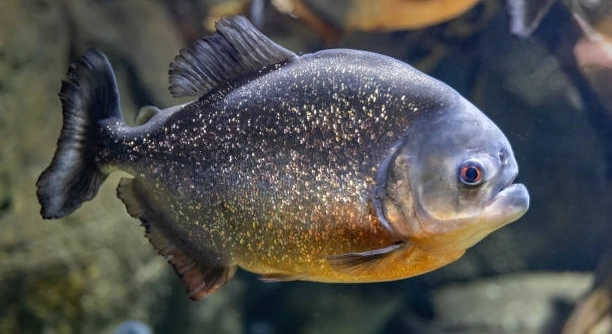
Maintaining a piranha tank can be challenging and sometimes stressful. Many fish keepers find the cleaning and care process to be overwhelming. Knowing how to manage these tasks calmly makes a big difference.
To reduce stress during piranha tank maintenance, preparation and safety are essential. Using proper equipment, following a consistent cleaning routine, and minimizing sudden changes in the environment help maintain both your well-being and the fish’s health.
Learning simple ways to stay calm and organized will make maintenance easier and safer for you and your piranhas. This article offers practical tips to support a smooth and stress-free care routine.
Preparing Your Workspace and Equipment
Before starting piranha tank maintenance, it’s important to get everything ready. Gather all necessary tools like gloves, a water siphon, buckets, and a water conditioner. Set up in a well-lit area with enough space to move around comfortably. Having everything at hand will prevent interruptions and reduce stress during the process. Wearing gloves helps protect your skin from any sharp fins or bacteria. Make sure the new water you prepare matches the tank’s temperature and pH to avoid shocking the fish. Taking a few extra minutes to organize can save time and keep the task calm and efficient.
A tidy workspace lets you focus and stay relaxed. It also helps prevent accidents or spills, which can increase stress unnecessarily. Preparing well makes maintenance feel less like a chore and more manageable.
Keeping your workspace clean and organized improves both safety and ease. When tools and supplies are ready, you can complete tasks smoothly and with confidence.
Managing Piranha Behavior During Maintenance
Piranhas can be aggressive or nervous while you work near their tank. It’s best to stay calm and move slowly to avoid startling them. Avoid sudden movements or loud noises, as these can increase their stress. Sometimes covering part of the tank with a towel can reduce their agitation. Try to perform maintenance in short sessions rather than all at once. This helps prevent prolonged stress for both you and the fish. If possible, maintain water temperature and quality carefully to keep their environment stable, which helps lower their aggression.
Watching their behavior and adjusting your approach keeps both you and the fish safe. Knowing how to handle their reactions calmly makes the maintenance smoother.
Take small breaks and observe your piranhas during cleaning. They respond better when you work patiently and consistently. Keeping water conditions steady also supports calmer behavior. This approach not only protects you from bites but also reduces the fish’s stress. Over time, a gentle routine will help your piranhas accept maintenance as less threatening. Building trust with your fish through calm, careful handling improves the tank’s health and your experience.
Reducing Noise and Distractions
Keeping the environment quiet during maintenance helps lower stress for both you and your piranhas. Turn off loud appliances or music nearby. Speak softly if others are around. Minimizing sudden noises will keep the fish calmer and make it easier to work without feeling rushed or tense.
Noise can easily startle piranhas, increasing their defensive behavior. A calm atmosphere helps you focus on the task without distraction. This also reduces the chance of mistakes or accidents during cleaning. Creating a peaceful space supports smoother, less stressful maintenance sessions. Lower stress for the fish often means a safer experience for you as well.
Simple steps like closing doors and windows or using soft lighting can enhance calmness. These adjustments show respect for your fish’s sensitivity to their surroundings. When distractions are low, you can move confidently through the process, ensuring a healthier tank and better care routine.
Using Stress-Reducing Techniques
Breathing deeply and pacing your work can prevent tension from building up during tank maintenance. Take moments to pause and breathe slowly to keep your mind clear and calm. Stress can cause rushed or careless actions, so managing your own mood helps maintain a steady, safe approach.
Gentle handling of equipment and water changes lowers stress for both you and the fish. Moving slowly while siphoning water or cleaning filters reduces sudden disruptions in the tank. Using quiet, smooth motions keeps the environment stable and lessens fish agitation. This careful method promotes a safer atmosphere, allowing you to complete tasks effectively without worry.
Incorporating these techniques into your routine turns maintenance into a controlled and manageable activity. By focusing on calm, deliberate actions, you reduce tension for yourself and your piranhas. Over time, these habits become natural, making tank care less stressful and more enjoyable.
Timing Your Maintenance Sessions
Choosing the right time for tank maintenance can help reduce stress. Avoid cleaning during feeding times or when the piranhas are most active. Early mornings or late evenings are usually calmer periods for both you and your fish.
Regular, scheduled maintenance helps create a routine. This predictability lowers stress because the fish get used to the process. Sticking to a consistent timetable also makes the task easier to manage.
Monitoring Water Quality
Keeping water parameters stable is crucial. Regularly test for pH, ammonia, nitrites, and nitrates to ensure a healthy environment. Clean water prevents stress and illness in piranhas, making maintenance smoother.
Avoiding Overhandling
Limit how much you touch the fish or decorations during cleaning. Overhandling can cause unnecessary stress and injury. Be gentle and careful to protect your piranhas’ health.
FAQ
How often should I clean my piranha tank?
Cleaning frequency depends on tank size and fish number. Generally, a partial water change of 20-30% weekly is best. Full cleanings can happen monthly, but avoid disturbing the tank too often to reduce stress. Keeping a regular schedule helps maintain water quality and keeps your piranhas healthy.
What is the safest way to handle piranhas during maintenance?
Wear thick gloves and move slowly. Avoid sudden movements that could startle them. Use tools like nets carefully and never put your fingers inside the tank. If possible, cover the tank partially to reduce their aggression during cleaning.
Can I clean the tank while the piranhas are inside?
Yes, but it’s best to be calm and gentle. Clean small sections at a time to avoid stressing the fish. If you prefer, you can temporarily move them to a separate tank, but this must be done carefully to avoid extra stress or injury.
What tools do I need for stress-free maintenance?
Basic tools include a water siphon, algae scraper, buckets, gloves, and a water conditioner. Using equipment made specifically for aquariums ensures safety and effectiveness. Avoid household cleaners or soaps, as they can harm the fish.
How do I handle aggressive behavior during maintenance?
Stay calm and avoid eye contact with the piranhas. Move slowly and speak softly if needed. If they become too aggressive, pause and wait a few minutes before continuing. Reducing noise and distractions can also help calm them down.
Is it necessary to remove decorations during cleaning?
Not always. Remove decorations only if they are heavily soiled. Clean them gently with water, avoiding chemicals. Decorations provide shelter, so keeping them mostly in place helps reduce fish stress.
How do I make sure the new water won’t harm my piranhas?
Match the temperature and pH of the new water to the tank’s water before adding it. Use a water conditioner to remove chlorine and other harmful chemicals. Slowly pour the water to avoid sudden changes that can shock your fish.
What should I do if my piranhas get stressed during cleaning?
Stop the process and give them time to settle. Check water quality and tank conditions to ensure they are ideal. Consider shortening cleaning sessions and avoiding any quick, sharp movements in the future.
Can lighting affect piranha stress during maintenance?
Yes, bright or flashing lights can increase stress. Use soft, steady lighting during cleaning. Dimmer light helps keep the fish calm and makes it easier to work without startling them.
How do I know if my piranhas are stressed?
Signs include hiding excessively, erratic swimming, loss of appetite, or aggressive behavior. Watching their regular patterns helps you notice changes early. Addressing stress quickly helps keep them healthy and safe.
Are there any special precautions for sick or injured piranhas during maintenance?
Yes, extra care is needed. Clean the tank gently and avoid moving sick fish too much. Isolate injured piranhas in a separate hospital tank if possible. Consult a vet or specialist for specific care advice.
Can regular maintenance reduce my piranhas’ aggression?
Consistent care helps stabilize their environment, which can reduce stress-related aggression. Calm surroundings and steady routines make them less reactive and easier to handle during cleaning.
Should I feed my piranhas before or after maintenance?
Feed them after cleaning to avoid food leftovers fouling the water. This also prevents fish from becoming too active or aggressive during maintenance.
What if I notice water cloudiness after cleaning?
Cloudy water often means bacterial blooms or disturbed sediment. Wait 24-48 hours and monitor water parameters. Avoid full water changes unless necessary, and ensure proper filtration to restore clarity.
How can I make maintenance less overwhelming?
Break the process into smaller steps and take breaks if needed. Prepare tools beforehand and keep a calm mindset. With practice, the task becomes quicker and less stressful over time.
Maintaining a piranha tank can feel like a big responsibility, but with the right approach, it becomes manageable and less stressful. The key is preparation and consistency. Having your tools ready, knowing when to do maintenance, and following a regular schedule all contribute to a smoother experience. When you stay organized, you avoid rushing and last-minute worries, which helps both you and your fish stay calm. Small actions like testing the water regularly and carefully handling your piranhas make a big difference in keeping the tank healthy.
During maintenance, staying calm and moving slowly can reduce stress for both you and your piranhas. Piranhas are sensitive to sudden changes, so gentle movements and quiet surroundings help keep them calm. Using gloves and working carefully also protects you from accidental bites. It is normal to feel uneasy at first, but with practice, the process becomes easier. Paying attention to your fish’s behavior helps you adjust your actions to make the environment safer and more comfortable for everyone involved.
Remember that every tank and fish is unique, so finding a routine that works best for your situation takes time. Don’t rush the process, and be patient with yourself and your piranhas. By keeping the tank clean, monitoring water quality, and handling the fish with care, you create a healthier environment that benefits their well-being. Over time, reducing stress during maintenance will make caring for your piranhas a rewarding part of your routine instead of a difficult task.

Hello,
If you enjoy the content that we create, please consider saying a "Thank You!" by leaving a tip.
Every little bit helps us continue crafting quality advice that supports the health, happiness, and well-being of pets around the world, for pets of all shapes, sizes, and species.
We really appreciate the kindness and support that you show us!