
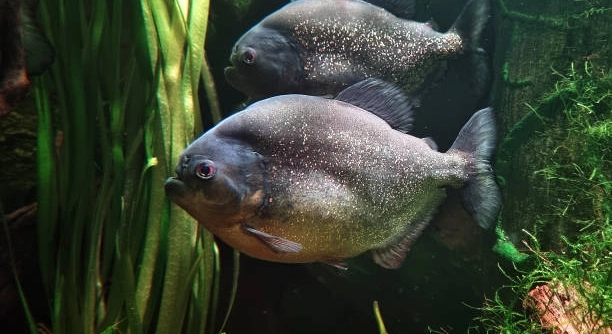
A piranha bite can be sudden and alarming, especially if you are near their natural habitat or in an aquarium. Knowing how to respond quickly is important to reduce pain and prevent infection. Immediate care can make a significant difference in recovery.
The first step after a piranha bite is to clean the wound thoroughly with clean water and antiseptic to remove bacteria. Applying pressure to stop bleeding and seeking medical attention promptly can prevent serious complications. Monitoring for infection signs is essential.
Handling a piranha bite requires calm and quick action to ensure proper care and healing. The following information outlines practical steps to take immediately after a bite.
Immediate Care After a Piranha Bite
After a piranha bite, the first priority is to stop the bleeding. Apply firm pressure to the wound using a clean cloth or bandage. Once bleeding slows, rinse the area thoroughly with clean water to remove any dirt or debris. Avoid using harsh chemicals directly on the wound. Next, apply an antiseptic to reduce the risk of infection. If possible, elevate the injured area to help reduce swelling and pain. Keeping the wound clean and covered is crucial until professional medical care can be obtained. Piranha bites can lead to deep cuts, so proper wound care is essential to prevent complications.
Piranha bites often cause puncture wounds and lacerations that require careful cleaning and monitoring. Seeking medical attention is highly recommended.
Cleaning the wound promptly reduces the chance of infection, which is a common concern with animal bites. Medical professionals can provide antibiotics or tetanus shots if needed. They will also assess the injury for damage to nerves or tendons, which can affect healing. Avoid delaying treatment, as infections can develop quickly and worsen over time. Early care supports faster recovery and lowers the risk of long-term issues.
Recognizing Infection and When to Seek Medical Help
Signs of infection include increased redness, swelling, warmth around the bite, pus, and worsening pain. Fever and chills may also indicate a systemic infection. It is important to monitor these symptoms closely.
If infection signs appear, or if the wound is deep and bleeding heavily, visit a healthcare provider immediately.
A piranha bite introduces bacteria from both the fish’s mouth and the environment, making infection a serious risk. Even with immediate cleaning, infections can develop later. Watch for redness spreading from the wound or unusual discharge. Pain that intensifies rather than decreases is also a warning sign. If you experience fever, seek medical help without delay, as this suggests the infection may be spreading. Medical professionals may prescribe antibiotics to control infection and prevent complications. They can also perform wound cleaning, drainage, or stitches if necessary. Do not attempt to treat severe wounds or infections on your own. Prompt medical care improves outcomes and supports full recovery.
Pain Management After a Piranha Bite
Pain after a piranha bite can be intense due to the sharp teeth and tissue damage. Over-the-counter pain relievers like ibuprofen or acetaminophen can help reduce discomfort and inflammation. Applying a cold compress to the area may also ease swelling and numb the pain temporarily.
Using pain medication responsibly is important. Follow the recommended dosage and avoid taking multiple painkillers at once unless advised by a healthcare professional. In some cases, stronger prescription pain medication may be necessary if the pain is severe. Resting the injured area and keeping it elevated can also aid in reducing discomfort. Avoid putting pressure on the wound to prevent further irritation. Monitor the pain level and consult a doctor if it worsens or lasts beyond a few days.
Cold compresses should be applied in intervals, such as 15 minutes on and 15 minutes off, to prevent skin damage. Avoid applying ice directly on the skin by wrapping it in a cloth. Proper pain management helps in coping with the initial injury and speeds up the healing process by reducing inflammation.
Preventing Infection in Piranha Bites
Cleaning the wound immediately is the most important step in preventing infection. Using antiseptic solutions and keeping the wound covered can protect it from bacteria. Changing dressings regularly helps maintain hygiene and avoids contamination.
Infection risks are higher with animal bites due to bacteria from the animal’s mouth and the environment. Piranhas live in water, which can contain harmful pathogens. It is crucial to keep the wound dry and clean, especially if the bite occurred in a natural water source. Avoid swimming or soaking the wound until it is fully healed to prevent bacterial exposure. Keeping tetanus vaccinations up to date also reduces infection risks. If any signs of infection develop, seek medical treatment promptly to avoid complications.
When to Seek Emergency Care
Seek emergency care if the bleeding does not stop after applying pressure for 10 to 15 minutes. Deep wounds, heavy bleeding, or severe pain also require immediate medical attention. Delaying treatment can lead to serious complications.
If you experience difficulty moving the affected area, numbness, or intense swelling, go to the emergency room without delay.
Proper Wound Dressing Techniques
After cleaning, cover the bite with a sterile dressing or bandage to protect it from dirt and bacteria. Change the dressing daily or whenever it becomes wet or dirty. Secure the bandage firmly but avoid wrapping it too tightly, which can restrict blood flow and slow healing. Keep the wound dry and monitor for signs of infection.
Avoiding Complications
Do not ignore swelling, increased redness, or fever after a bite. These signs may indicate infection or other complications needing medical care. Early intervention can prevent lasting damage and promote better recovery.
FAQ
What should I do immediately after a piranha bite?
First, stop the bleeding by applying firm pressure with a clean cloth. Clean the wound thoroughly with fresh water and apply an antiseptic to reduce infection risk. Keep the wound elevated if possible and seek medical attention as soon as possible to ensure proper care.
Can a piranha bite cause serious infection?
Yes, piranha bites can introduce bacteria from both the fish’s mouth and the water environment. This makes infection a significant concern. Proper cleaning and medical evaluation are necessary to prevent serious infections that can lead to complications.
How can I tell if the bite is infected?
Signs of infection include redness spreading beyond the wound, swelling, warmth, pus or discharge, increasing pain, and fever. If any of these occur, it is important to seek medical help immediately to avoid worsening conditions.
Is it necessary to get a tetanus shot after a piranha bite?
If your tetanus vaccination is not up to date, a booster shot is usually recommended after any animal bite, including from a piranha. Tetanus bacteria can enter through open wounds, so a vaccination helps prevent this serious infection.
How long does it take for a piranha bite to heal?
Healing time depends on the severity of the bite and the quality of care. Minor bites may heal within one to two weeks, while deeper wounds could take longer and require medical treatment. Keeping the wound clean and protected speeds recovery.
What pain relief options are best after a piranha bite?
Over-the-counter pain medications like ibuprofen or acetaminophen work well to reduce pain and inflammation. Cold compresses can also help with swelling and numb the area. For severe pain, consult a healthcare professional for stronger medication.
Should I avoid water after a piranha bite?
Yes, it’s best to keep the wound dry to avoid infection. Avoid swimming or soaking the bite in water, especially in natural bodies of water, until the wound has healed. Moist environments increase the risk of bacteria entering the wound.
When should I see a doctor for a piranha bite?
Seek medical care immediately if the wound is deep, bleeding heavily, or shows signs of infection. Difficulty moving the affected area, numbness, or intense swelling also require prompt medical attention to prevent complications.
Can a piranha bite cause permanent damage?
If left untreated or if infection develops, a piranha bite can cause tissue damage or scarring. Early and proper medical treatment reduces the risk of permanent harm. Monitoring the wound carefully and following care instructions are essential.
How can I prevent piranha bites when near their habitat?
Avoid swimming in waters known to have piranhas, especially during their feeding seasons. Stay away from areas with disturbed water or where people are fishing. Wearing protective footwear and staying alert near water can reduce the risk of bites.
Is it safe to handle piranhas in aquariums?
Handling piranhas requires care and experience. Always use proper tools like nets or gloves designed for fish handling. Avoid placing hands near their mouths, even if they seem calm. Safe handling minimizes the chance of accidental bites.
What should I do if the wound starts bleeding again after treatment?
Reapply pressure immediately to stop the bleeding. If it continues despite pressure, seek emergency medical care. Persistent bleeding may indicate damage to a larger blood vessel or a clotting problem.
Can antibiotics prevent infection after a piranha bite?
Doctors often prescribe antibiotics if the wound is deep or shows signs of infection. Do not take antibiotics without medical advice. Proper wound cleaning is the first and most important step in infection prevention.
Are piranha bites painful?
Yes, bites from piranhas are generally painful due to sharp teeth causing puncture wounds and lacerations. Pain intensity varies with the size of the bite and the area affected. Pain management should be part of treatment.
Is it normal for swelling to last several days after a bite?
Some swelling is normal in the days following a bite as part of the body’s healing response. However, swelling that worsens or is accompanied by redness and pain may signal infection and needs medical evaluation.
Final Thoughts
Handling a piranha bite requires calm and prompt action. The first step is to control bleeding by applying firm pressure to the wound. Cleaning the bite thoroughly with clean water and an antiseptic helps reduce the risk of infection, which is common due to bacteria from the fish’s mouth and the surrounding water. Keeping the wound covered with a sterile dressing protects it from dirt and further contamination. Proper wound care is essential to promote healing and prevent complications that could make recovery longer or more difficult.
Pain and swelling after a piranha bite can be managed with over-the-counter pain medications and cold compresses. It is important to follow dosage instructions carefully to avoid side effects. Keeping the injured area elevated and avoiding unnecessary movement can reduce swelling and discomfort. If pain worsens or lasts longer than expected, medical advice should be sought. Monitoring the wound for signs of infection, such as increasing redness, pus, or fever, is also necessary. Early detection of problems allows for quicker treatment and prevents the bite from becoming a serious health issue.
Seeking medical attention is crucial for deep wounds, heavy bleeding, or any signs of infection. A doctor can properly assess the injury, provide necessary treatments such as stitches or antibiotics, and update tetanus vaccinations if needed. Avoiding water exposure to the wound during healing lowers the risk of infection, especially in natural bodies of water. Preventive measures when near piranha habitats include avoiding swimming in high-risk areas and wearing protective gear if needed. Being prepared and knowing how to respond can make a significant difference in handling a piranha bite safely and effectively.

Hello,
If you enjoy the content that we create, please consider saying a "Thank You!" by leaving a tip.
Every little bit helps us continue crafting quality advice that supports the health, happiness, and well-being of pets around the world, for pets of all shapes, sizes, and species.
We really appreciate the kindness and support that you show us!