
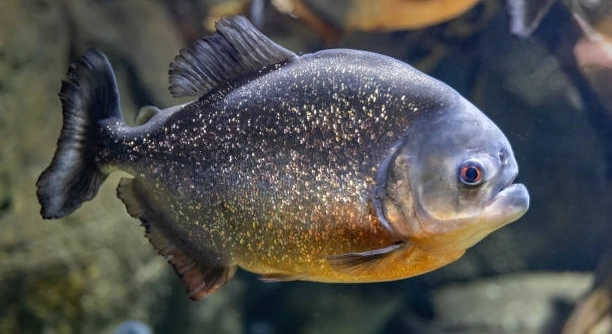
Creating a natural habitat for your piranha helps ensure it stays healthy and comfortable. A well-prepared environment supports its natural behaviors and promotes overall well-being. Proper care and setup are key to a thriving piranha aquarium.
To create a natural habitat, provide clean, well-filtered water with stable temperature and pH. Include hiding spots like plants or rocks to mimic their native environment. Maintain regular water changes and avoid overcrowding for optimal health.
Understanding how to set up this environment properly will make a big difference in your piranha’s life. Learning the details of water quality and habitat design is essential for any fish enthusiast. This guide will help you create the best home for your piranha.
Choosing the Right Tank Size and Setup
Selecting the right tank size is essential for your piranha’s comfort and growth. A minimum of 40 gallons is recommended for one piranha, with an additional 20 gallons for each extra fish. This space allows them to swim freely and reduces aggression. The tank should have a secure lid because piranhas are known to jump. Substrate like sand or fine gravel works best to mimic their natural riverbeds. Adding driftwood and rocks helps create natural hiding spots, which reduce stress. Lighting should be moderate to replicate shaded river environments. It’s important to arrange these elements so the tank feels natural and secure. Avoid overcrowding by limiting the number of fish, as piranhas can be territorial. Setting up this environment carefully will support their health and behavior. The effort put into tank setup greatly affects how well your piranha will adapt and thrive in captivity.
A tank with ample swimming space and natural features helps maintain peaceful behavior and reduces stress in piranhas.
Keeping the right size and setup ensures your piranha can live comfortably and express natural behaviors. When their environment feels secure, they are less likely to show aggression. Including natural elements like plants and hiding places makes them feel at home. It’s also easier to maintain water quality in a properly sized tank. If you plan to keep more than one piranha, giving them enough room is crucial to avoid fights. This setup supports both physical health and mental well-being, which are equally important.
Maintaining Water Quality and Temperature
Clean water is key to your piranha’s health. Regular testing and water changes keep harmful substances low.
Keeping water quality high requires consistent effort. Piranhas need well-filtered water with low ammonia and nitrite levels. A powerful filter is necessary because piranhas produce a lot of waste. Change about 25% of the water weekly to keep the environment fresh and stable. Maintaining a temperature between 75 and 80 degrees Fahrenheit replicates their natural habitat. Using a reliable heater helps keep the temperature steady. Also, keep the pH between 6.5 and 7.5, as piranhas prefer slightly acidic to neutral water. Avoid sudden changes in temperature or water chemistry, as these can stress your fish. Monitoring these factors carefully prevents illness and promotes strong immune systems.
Good water management takes time but is essential for your piranha’s survival and comfort. Without stable conditions, they become vulnerable to disease and stress. Investing in quality equipment and following a strict maintenance schedule will pay off. Regular observation of your fish’s behavior can also indicate water problems early. When everything is balanced, your piranha can live a long and healthy life in a well-maintained tank.
Feeding Your Piranha Properly
Piranhas need a diet that matches their natural habits. They eat a variety of foods, mostly meat-based.
Feeding your piranha a balanced diet is essential for its health. Offer fresh or frozen foods like fish fillets, shrimp, and insects. Occasionally, add high-quality pellets designed for carnivorous fish to ensure they get all necessary nutrients. Avoid overfeeding, as uneaten food can pollute the tank. Feed small amounts once or twice daily, watching to make sure your piranha finishes its food quickly. Variety in diet helps prevent nutritional deficiencies and keeps your fish interested in eating.
It’s important to avoid feeding piranhas only live feeder fish because this can introduce diseases and cause aggressive behavior. Rotate food types to keep meals balanced and safe. Providing fresh food items also encourages natural hunting instincts, making your piranha more active and healthy.
Social Behavior and Tank Mates
Piranhas can be aggressive and territorial, especially in small tanks. Choose tank mates carefully.
Most piranhas prefer to live in groups of four or more, which helps reduce aggression within the species. However, their tank mates should be chosen with care because piranhas may attack smaller or slower fish. Avoid keeping them with brightly colored or long-finned fish, as these attract unwanted attention. Larger, robust fish that can tolerate similar water conditions might work, but close monitoring is necessary. Providing plenty of hiding spots helps reduce conflict and stress. Always be ready to separate fish if aggression becomes severe. Balancing social needs with safety is key to a peaceful tank environment.
Lighting and Decorations
Lighting should mimic natural conditions, avoiding overly bright setups. Soft, dim lighting works best for piranhas.
Decorations like driftwood, rocks, and live plants create hiding spots. These reduce stress and encourage natural behavior.
Monitoring Health Signs
Watch for changes in appetite, color, or behavior. These often signal health issues early.
Regular observation helps catch problems like fin rot or infections before they worsen.
Cleaning and Maintenance
Clean the tank regularly to prevent waste buildup. Remove uneaten food and debris often.
Keeping the environment clean helps maintain stable water quality and keeps your piranha healthy.
FAQ
How often should I feed my piranha?
Feeding your piranha once or twice a day is enough. Give small portions that your fish can finish quickly. Overfeeding can lead to water pollution and health issues. Watching their appetite helps adjust feeding frequency. A balanced diet keeps them healthy and active.
Can piranhas live with other fish?
Piranhas can live with other fish, but it’s tricky. They are naturally aggressive and territorial. Tank mates should be large, fast, and able to defend themselves. Avoid small or brightly colored fish. Always monitor interactions and be ready to separate if fighting starts.
What temperature is best for piranhas?
Piranhas thrive in water between 75 and 80 degrees Fahrenheit. Maintaining a steady temperature is important. Sudden changes cause stress and illness. Use a reliable heater and thermometer to keep conditions stable.
How often should I change the water?
Changing about 25% of the water weekly is ideal. This keeps toxins low and water fresh. Regular water changes help maintain a healthy environment, supporting your piranha’s immune system and overall well-being.
What kind of filtration is needed?
A strong filter is necessary because piranhas produce a lot of waste. Choose a filter that handles high bio-load and ensures good water circulation. Clean or replace filter media regularly to keep it effective.
Are live plants a good idea in a piranha tank?
Live plants can provide hiding places and improve water quality. However, piranhas may uproot or damage delicate plants. Use sturdy species like Java fern or Anubias, attached to rocks or driftwood. Plants help create a more natural environment.
How do I know if my piranha is stressed?
Signs of stress include loss of appetite, hiding more than usual, erratic swimming, or color fading. Stress can come from poor water quality, improper tank mates, or sudden changes. Fixing the environment and regular care helps reduce stress.
Can I keep just one piranha?
You can keep a single piranha, but they often do better in groups of four or more. Groups help reduce aggression within their own species. If kept alone, your piranha may become bored or stressed without social interaction.
What should I do if my piranha gets sick?
Isolate the sick fish in a quarantine tank. Test water parameters and improve water quality immediately. Use appropriate medications as advised by an aquatic veterinarian or reliable sources. Early treatment increases chances of recovery.
Is it necessary to feed live food?
Feeding live food is not necessary but can be given occasionally to encourage natural hunting behavior. Frozen or fresh meats and high-quality pellets provide all needed nutrients. Live food risks introducing diseases, so use caution.
How long do piranhas usually live?
With proper care, piranhas can live 10 to 15 years. Their lifespan depends on tank conditions, diet, and stress levels. Consistent maintenance and a good environment increase their chances of a long, healthy life.
What pH level is ideal for piranhas?
Piranhas prefer slightly acidic to neutral water, with pH between 6.5 and 7.5. Keeping pH stable helps avoid stress and supports overall health. Sudden pH shifts should be avoided.
Can I use tap water in the tank?
Tap water is often safe but must be treated to remove chlorine and chloramine. Use a water conditioner before adding it to the tank. Test water parameters regularly to ensure safety.
How aggressive are piranhas?
Piranhas are naturally aggressive, especially toward their own kind or smaller fish. Proper tank size, hiding spots, and social groups reduce conflicts. They rarely attack humans in home tanks but should be handled carefully.
What kind of substrate is best for piranhas?
A soft substrate like sand or fine gravel works best. It mimics their natural riverbed and is safe for their sensitive mouths. Avoid sharp or rough materials that could cause injury.
How important is lighting for piranhas?
Moderate, soft lighting is best. Bright lights stress piranhas and cause unnatural behavior. Using dim or shaded lighting replicates their natural environment and helps them feel secure.
Creating and maintaining a natural habitat for your piranha takes effort and attention to detail. From choosing the right tank size to keeping water conditions stable, each step plays an important role in your fish’s well-being. A well-set-up tank with proper filtration, hiding spots, and suitable decorations can help reduce stress and encourage natural behavior. Feeding a balanced diet and monitoring their health regularly will support their growth and longevity. Taking time to learn about your piranha’s needs will make caring for them easier and more rewarding.
Consistency is key when caring for piranhas. Regular water changes, temperature control, and careful feeding routines create a stable environment where your fish can thrive. Paying attention to signs of illness or stress early allows for quick action, which can prevent serious problems. Understanding their social behavior and choosing appropriate tank mates helps keep aggression in check and improves tank harmony. Even small changes in water chemistry or tank setup can affect their health, so staying observant is important.
Overall, a natural habitat means more than just replicating the look of a river or lake; it means providing conditions that support your piranha’s natural instincts and needs. This balance encourages a healthy, active fish that can live a long and happy life in your care. With patience and proper knowledge, you can create a safe and comfortable home for your piranha. Taking care of them well benefits both the fish and the experience of keeping such a fascinating species.

Hello,
If you enjoy the content that we create, please consider saying a "Thank You!" by leaving a tip.
Every little bit helps us continue crafting quality advice that supports the health, happiness, and well-being of pets around the world, for pets of all shapes, sizes, and species.
We really appreciate the kindness and support that you show us!