
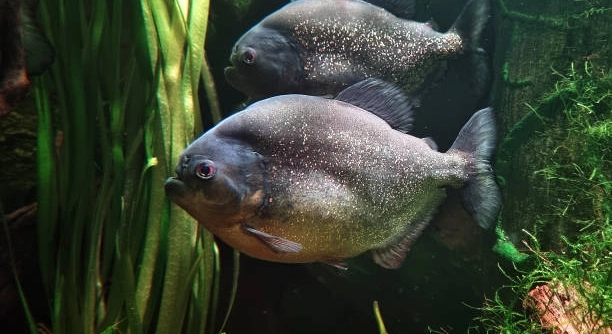
Are your piranhas acting more aggressive or stressed lately, even though their water quality and diet seem just fine?
Overcrowding a piranha tank leads to increased stress, territorial disputes, and potential injury or death among the fish. Limited space disrupts their natural behavior, creating a hostile environment that negatively affects their health and overall lifespan.
Maintaining a proper tank size and population is key to supporting a healthy and balanced aquarium.
Why Too Many Piranhas Cause Trouble
Piranhas are naturally territorial and need enough room to move freely. When too many are kept in one tank, problems start quickly. Aggression rises, and they often nip at each other. Even if they were peaceful before, overcrowding brings out stress-related behaviors. This includes biting, hiding, and refusing to eat. Injuries become common, and healing is slower in high-stress environments. Overcrowded tanks also have poorer water quality because more fish produce more waste. This can raise ammonia and nitrite levels, which harm the fish even more. A stressed piranha is more likely to get sick. Once one fish becomes ill, it can spread to others in close quarters. The tank loses balance, and it becomes harder to care for. Proper space, filtration, and observation are important when keeping piranhas. Giving them enough room helps reduce stress, supports natural behaviors, and keeps the tank healthy overall.
Even if they seem fine at first, overcrowding always leads to negative changes.
Feeding becomes harder, too. With more fish in the same space, competition increases. Piranhas may rush or fight over food. This can lead to uneven feeding, with some fish getting too much and others not enough. It also adds more stress to an already tense environment.
How to Prevent Overcrowding
Start by knowing the right tank size. A single piranha needs at least 20 gallons, but a small group should have 60 gallons or more. Each additional fish needs extra space. A large tank allows swimming room and reduces territorial aggression. It’s also easier to manage water quality in a bigger tank. Never choose tank mates randomly—piranhas often do better in species-only setups. Monitor the group’s behavior regularly. If you see chasing or biting, that might mean the tank is too crowded. Don’t rely on filters alone; regular water changes are still needed. Avoid the temptation to add more fish just because they seem small. They grow quickly and will need more room soon. Keeping the number of fish low supports better health and longer life. Adding plants or decorations can help create hiding spots, but they are not a substitute for space. Planning ahead makes all the difference in creating a peaceful tank.
Common Signs of Overcrowding
You might notice your piranhas swimming erratically or staying hidden more than usual. They may seem nervous, refuse food, or nip at each other’s fins. Frequent chasing and sudden bursts of aggression are also warning signs that the tank is too crowded.
If one fish becomes injured, others may target the wound, leading to further harm. Overcrowded tanks also get dirty faster. You might see cloudy water, strong smells, or a buildup of waste. These conditions make fish more vulnerable to illness. Watch for signs like clamped fins, rapid breathing, or unusual swimming patterns. These often mean your piranhas are stressed or sick. Stress lowers their immune system, so infections spread quickly. If multiple fish start behaving oddly at once, it’s time to check your tank size and water conditions. Addressing overcrowding early can prevent serious issues and protect the health of your whole group.
Feeding can become chaotic. You might see splashing, missed bites, or food floating uneaten because the fish are too stressed to eat properly. Some will overeat while others go hungry, creating size differences and more tension. Skipped meals or frantic feeding habits usually mean there’s a problem. A calm feeding routine is a good sign of a balanced tank.
Effects on Tank Health
When too many fish share a tank, water quality drops fast. Waste builds up quickly and can overwhelm your filter system. Ammonia and nitrite levels rise, making the environment unsafe. Even if you clean the tank often, it’s hard to keep up with the mess.
Poor water quality affects more than just appearance. High ammonia can burn the gills of your piranhas and make it hard for them to breathe. They might gasp at the surface or stay near the filter where oxygen is higher. Bad water can also lead to fin rot, fungus, and other infections. Medication might help short-term, but it won’t fix the root problem. Frequent water changes and better filtration may slow the damage, but without fewer fish, things won’t improve much. Overcrowding also affects beneficial bacteria in the tank, making it harder to keep the cycle stable. A healthy tank starts with proper stocking levels.
Long-Term Impact on Behavior
Over time, constant stress from overcrowding changes how piranhas act. They become more aggressive, even outside of feeding times. Calm, social groups may turn hostile. The constant tension can break natural group bonds and create a harmful tank environment.
You might also notice your piranhas becoming less active or hiding often. They may start avoiding certain areas of the tank or spend more time near the surface. These changes show that your fish no longer feel secure in their space.
How to Fix the Problem
Start by reducing the number of fish in the tank. Rehome extras if needed. Increase the tank size if you want to keep your group together. Make sure each piranha has enough room to swim freely. Upgrade your filter to handle the current bioload. Check water quality often and make regular water changes. Rearranging the tank layout can also help break up territories and reduce tension. Use plants and decorations to give hiding spots, but keep open space for swimming. Watch your piranhas closely for signs of recovery. Less aggression, steady feeding, and calm behavior are good signs you’re on the right track.
Why Prevention Is Easier
Fixing overcrowding takes time and effort, but preventing it is much simpler. Planning your tank setup before adding fish can save you stress later.
FAQ
How many piranhas can I keep in one tank?
A good rule of thumb is to allow at least 20 gallons of water per piranha. For a small group of three to four fish, a 60- to 80-gallon tank is ideal. This gives them enough room to swim and reduces aggressive behavior caused by overcrowding. Smaller tanks can quickly become stressful and unsafe for these fish.
What happens if my piranhas get stressed from overcrowding?
Stress lowers their immune system, making them more vulnerable to diseases like fin rot, fungus, or infections. Stressed piranhas may stop eating, hide more, or act aggressively. These behaviors affect their health and the tank’s balance, often causing a cycle of worsening conditions if not addressed.
Can I fix overcrowding by adding more plants or decorations?
Adding plants and decorations can help by giving hiding spots and breaking up territories. However, these are not a substitute for adequate space. Overcrowding still causes stress, no matter how many decorations you add. Proper tank size and population control remain the most important factors.
Is water quality affected by overcrowding?
Yes, overcrowding increases waste production, which leads to higher ammonia, nitrite, and nitrate levels. These toxins harm fish health and make maintaining stable water parameters difficult. Even strong filters can struggle to keep up with too many fish in a small space. Frequent water changes become necessary but don’t solve the core issue.
How can I tell if my piranha tank is overcrowded?
Signs include constant chasing, fin damage, frequent hiding, refusal to eat, and visible stress behaviors like rapid breathing or erratic swimming. Poor water quality with cloudy water or foul odors also indicates a problem. Monitoring behavior and water regularly helps catch overcrowding early.
What should I do if my tank is overcrowded?
First, consider rehoming some piranhas or moving them to a larger tank. Increase filtration and perform regular water changes to improve water quality. Rearranging tank decorations to reduce territorial disputes can help temporarily, but long-term solutions require fewer fish or more space.
Can overcrowding cause my piranhas to stop eating?
Yes, stress from overcrowding often leads to appetite loss. Fish may become too nervous or injured to eat properly. This can weaken their health quickly, so addressing overcrowding and improving tank conditions is important for restoring normal feeding habits.
Are piranhas aggressive in overcrowded tanks?
Piranhas naturally have some aggression, but overcrowding increases this behavior significantly. Lack of space triggers territorial fights, fin nipping, and constant chasing. Reducing tank population and giving each fish enough room can calm these behaviors.
Do piranhas need tank mates, or should they be alone?
Piranhas can live in groups, but they need enough space to avoid conflict. Adding other fish species is usually not recommended, as piranhas may attack or stress tank mates. Keeping them in species-only tanks with proper stocking levels is safest.
How often should I test my tank water?
Testing water weekly is a good practice, especially if you have a large or crowded group. Regular testing helps detect dangerous levels of ammonia, nitrite, or nitrate before they harm your fish. Adjust care routines based on test results to maintain a healthy tank environment.
What tank size is too small for piranhas?
Tanks under 20 gallons for a single piranha are too small. Smaller tanks cannot support the fish’s size, swimming needs, or waste load. Overcrowding in small tanks quickly leads to health and behavior problems. Larger tanks provide a safer, less stressful home.
Can overcrowding shorten the lifespan of piranhas?
Yes, chronic stress and poor water quality caused by overcrowding can significantly reduce lifespan. Healthy, well-spaced piranhas tend to live longer, with less risk of disease and injury. Proper tank management is essential for their well-being and longevity.
Is it okay to add new piranhas to an existing tank?
Only if the tank has enough space for more fish. Adding piranhas without increasing tank size can cause overcrowding, leading to stress and aggression. Always plan ahead and avoid impulse additions to keep the tank balanced.
How does overcrowding affect the biological filter?
Overcrowding increases waste faster than beneficial bacteria can process it. This overload can cause spikes in toxic ammonia and nitrites, damaging fish health. Maintaining a stable biological filter requires appropriate stocking levels and regular tank maintenance.
What are some signs of stress other than aggression?
Besides aggression, stressed piranhas may hide excessively, have clamped fins, show rapid or labored breathing, or swim near the surface. Loss of color and lethargy are also common signs. Watching for these symptoms helps catch problems early.
Can overcrowding cause disease outbreaks?
Yes, stress weakens the immune system, making piranhas more susceptible to infections. Crowded tanks also allow diseases to spread quickly due to close contact. Preventing overcrowding reduces the chance of outbreaks and supports healthier fish.
Overcrowding a piranha tank can create many problems that affect both the fish and the overall tank environment. When too many piranhas share a small space, they become stressed and aggressive. This leads to fights, injuries, and changes in their natural behavior. Stress also weakens their immune system, making them more likely to get sick. Overcrowding can cause water quality to drop quickly because more fish produce more waste. Poor water quality adds to the health problems and can make the tank unsafe for your piranhas. These issues can shorten their lifespan and reduce their quality of life.
Taking steps to avoid overcrowding is important for keeping your piranhas healthy and happy. Providing enough space in the tank gives them room to swim freely and reduces stress. It also lowers the chance of territorial disputes and injuries. A larger tank is easier to maintain, as filters can handle the waste better and water quality stays more stable. Regular water testing and cleaning help catch problems before they become serious. Adding plants and decorations can give hiding spots, but they don’t replace the need for enough space. Planning the right tank size and number of fish from the beginning is the best way to prevent overcrowding problems.
If overcrowding is already happening, it’s important to act quickly. Reducing the number of fish or moving some to a bigger tank helps relieve stress and improves water conditions. Upgrading filtration and keeping up with water changes will support the tank while it recovers. Watching your piranhas closely for signs of aggression or illness is key. With proper care, behavior and health can improve over time. Overcrowding is a common mistake, but it can be fixed. Taking the time to create the right environment will help your piranhas live longer and thrive in their home.

Hello,
If you enjoy the content that we create, please consider saying a "Thank You!" by leaving a tip.
Every little bit helps us continue crafting quality advice that supports the health, happiness, and well-being of pets around the world, for pets of all shapes, sizes, and species.
We really appreciate the kindness and support that you show us!