
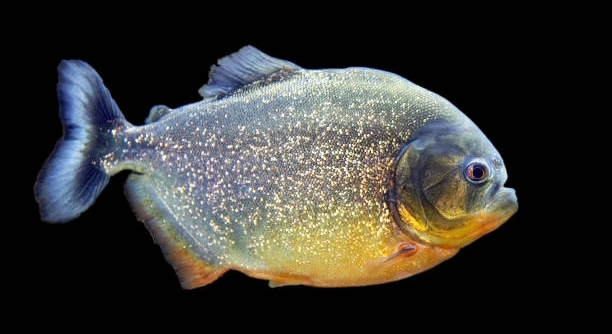
Piranhas are fascinating fish that require specific care to thrive in a home aquarium. One of the key factors in maintaining their health is ensuring the water conditions are suitable. Proper pH levels help keep these fish active and stress-free.
The ideal pH for a piranha tank is typically between 6.5 and 7.5. Maintaining this range supports their natural environment and promotes optimal health. Consistent monitoring and adjustments are essential to prevent stress and illness in the fish.
Understanding the right pH balance is just one part of successful piranha care. This article offers practical tips to help you create a healthy habitat and keep your piranhas thriving.
Understanding pH and Its Importance in a Piranha Tank
The pH level measures how acidic or alkaline the water is, which affects fish health directly. Piranhas naturally live in rivers with slightly acidic to neutral water, so replicating this environment helps them stay healthy. Water that is too acidic or too alkaline can cause stress, weaken their immune system, and make them prone to diseases. Testing the water regularly with reliable kits is essential to detect any changes early. Adjusting pH can be done using natural methods like adding driftwood or peat moss, which help lower pH, or using crushed coral to raise it. Maintaining stable pH is just as important as setting it right because sudden changes can shock the fish. Proper filtration and regular water changes also contribute to a stable tank environment. These steps will help keep your piranhas comfortable and active.
Keeping the pH stable means less stress for your fish and a healthier tank overall.
Balancing pH goes beyond just numbers. It affects how well piranhas digest food and fight off illness. If the pH swings too much, their behavior can change — they might become lethargic or hide more often. Regular testing and adjustments ensure your tank remains suitable for their needs. Monitoring other water parameters like temperature and hardness along with pH will create a better environment. Using products specifically made for aquarium use avoids adding harmful chemicals. Each piranha tank may need slightly different care depending on its setup, so pay attention to your fish and water conditions frequently. This awareness helps prevent many common health issues.
Tips to Maintain the Ideal pH in Your Piranha Tank
Maintaining the correct pH requires consistent effort and attention to detail.
To keep the pH within the ideal range, start by selecting quality water. Using dechlorinated tap water or filtered water helps prevent sudden pH shifts. Regular water changes, about 20-25% weekly, help remove waste and replenish minerals. Avoid overfeeding as leftover food can decay and alter water chemistry. Using natural tank decorations like driftwood helps lower pH gradually without harsh chemicals. Testing water weekly with a digital or test strip kit provides reliable information. If adjustments are necessary, make changes slowly to avoid shocking the fish. Keep an eye on other water parameters like ammonia and nitrate levels as they interact with pH and affect fish health. Proper filtration and aeration support stable water conditions. Finally, observe your piranhas’ behavior for signs of stress, which can indicate water quality issues.
Consistent maintenance prevents problems and supports a thriving piranha tank.
Common pH Problems in Piranha Tanks
pH levels that are too high or too low can cause health issues for piranhas. Sudden pH swings are especially harmful and should be avoided.
When the pH rises above 7.5, the water becomes too alkaline for piranhas, causing stress and potential skin irritation. Alkaline water can also reduce the availability of essential nutrients. On the other hand, pH levels below 6.5 create acidic conditions that weaken fish immune systems and disrupt their natural behavior. Fluctuations between these extremes cause shock and can lead to death. Poor filtration, overfeeding, or decaying plants often contribute to pH instability. Regular water testing and tank cleaning help prevent these issues.
Keeping pH steady requires paying attention to tank maintenance and water sources. Avoid sudden chemical additives, and introduce any changes slowly. This helps your piranhas stay healthy and calm, minimizing disease risks and promoting natural activity patterns.
Tools to Monitor and Adjust pH
Accurate tools are key for maintaining ideal water conditions in your piranha tank. Basic test kits and electronic meters serve different needs.
Test strips offer a quick, affordable way to check pH. They are simple to use but less precise and can be affected by tank color or lighting. Liquid test kits provide more accurate results through color comparison but require careful timing and interpretation. Digital pH meters give precise readings and allow tracking over time, though they need calibration and proper care. Each tool has strengths depending on your experience and budget.
Adjusting pH should be done carefully. Adding natural substances like driftwood lowers pH gradually, while crushed coral raises it. Commercial pH buffers are available but must be used sparingly to avoid harming fish. Slow, steady adjustments combined with monitoring ensure a stable environment for your piranhas.
How Temperature Affects pH Levels
Water temperature influences pH by changing the chemical balance. Warmer water tends to lower pH, while cooler water can raise it.
Maintaining a stable temperature between 74°F and 82°F helps keep pH consistent. Sudden temperature changes can disrupt this balance and stress piranhas.
Using Natural Materials to Regulate pH
Natural materials like driftwood and peat moss slowly lower pH by releasing tannins into the water. These substances create a slightly acidic environment closer to piranhas’ natural habitat.
Adding crushed coral or limestone can gently raise pH by releasing calcium carbonate. These materials buffer water hardness and prevent pH from dropping too low. Using natural items reduces the risk of sudden chemical shifts in the tank.
Signs of pH Stress in Piranhas
Piranhas under pH stress may show lethargy, loss of appetite, or abnormal swimming behavior. Watch for increased hiding or surface gasping as well.
FAQ
What is the best pH level for a piranha tank?
The best pH level for a piranha tank ranges from 6.5 to 7.5. This range closely matches their natural habitat, which helps reduce stress and promotes good health. Staying within this range supports proper metabolism, digestion, and immune function.
How often should I test the pH in my piranha tank?
Testing the pH once a week is sufficient for most tanks. However, if you notice unusual fish behavior or recent changes in water or tank setup, test more frequently. Regular monitoring helps catch fluctuations early before they become harmful.
Can I use tap water for my piranha tank?
Yes, tap water can be used, but it must be treated first. Chlorine and chloramine in tap water are harmful to fish. Use a water conditioner to remove these chemicals. Also, check the pH and adjust if needed to fit the ideal range for piranhas.
What causes pH fluctuations in my tank?
Several factors can cause pH swings. Overfeeding and leftover food decay create waste that alters water chemistry. Poor filtration or infrequent water changes lead to accumulation of acids or bases. Adding new decorations or chemicals can also affect pH. Stability comes from good maintenance.
How do I lower the pH naturally?
Adding driftwood or peat moss can lower pH slowly by releasing tannins, which create a mildly acidic environment. These materials mimic natural river conditions. Avoid harsh chemicals, as they can shock the fish. Always make changes gradually and monitor pH closely.
How can I raise the pH if it’s too low?
Crushed coral or limestone placed in the filter or substrate slowly raises pH by releasing calcium carbonate. These act as buffers, stabilizing water hardness and preventing sharp drops. Commercial pH buffers are also available but should be used cautiously.
What happens if the pH is too high or too low for my piranhas?
If the pH is too high (above 7.5), the water becomes alkaline, which can stress piranhas, cause skin issues, and reduce nutrient availability. If too low (below 6.5), acidic water weakens their immune system and disrupts normal behavior. Both extremes increase the risk of illness.
Can temperature changes affect pH?
Yes. Warmer water tends to lower pH, while cooler water can raise it. Temperature fluctuations cause chemical reactions that shift pH levels. Maintaining a steady temperature between 74°F and 82°F helps keep pH stable, reducing stress for your fish.
What are signs of pH stress in piranhas?
Piranhas experiencing pH stress may become lethargic, lose appetite, or swim abnormally. They might hide more often or gasp at the surface for air. Such behavior indicates water quality issues that need immediate attention.
Is it safe to use commercial pH adjusters?
Commercial pH adjusters can be used, but with caution. They often cause rapid pH changes, which can shock and harm fish. Always follow instructions carefully, use minimal amounts, and monitor water conditions closely after application.
How does filtration affect pH stability?
Good filtration removes waste and toxins that could alter water chemistry. Biological filters help maintain a healthy balance by breaking down harmful substances. Consistent filtration supports steady pH levels and overall tank health.
Should I change water if pH fluctuates?
Partial water changes can help stabilize pH if done regularly and with properly treated water. Large, sudden water changes might cause more fluctuations. Always match the new water’s pH and temperature closely to the tank before adding it.
Can plants influence pH in a piranha tank?
Live plants can slightly affect pH by releasing acids during decay or oxygen during photosynthesis. Healthy, well-maintained plants usually help stabilize water chemistry. Avoid overgrowth and remove dead plant matter promptly to prevent unwanted pH shifts.
How do I know if my pH meter is accurate?
Calibrate your pH meter regularly with standard buffer solutions. Follow the manufacturer’s instructions for cleaning and storage. If readings vary widely or don’t match test kits, it might be time to replace or repair the meter.
Can piranhas tolerate pH outside the ideal range temporarily?
Piranhas can tolerate slight short-term deviations, but prolonged exposure to unsuitable pH levels causes stress and health problems. It’s best to maintain consistent pH and avoid sudden shifts to keep your fish safe and comfortable.
Maintaining the ideal pH for a piranha tank is essential for keeping your fish healthy and stress-free. The recommended range of 6.5 to 7.5 reflects the conditions piranhas naturally experience in the wild. Staying within this range helps support their bodily functions, immune system, and overall well-being. It is important to regularly monitor the pH level and avoid sudden changes, as piranhas are sensitive to fluctuations. Consistent water testing, proper filtration, and gradual adjustments create a stable environment that promotes long-term health.
Using natural methods to adjust and maintain pH levels is often the safest approach. Materials like driftwood and peat moss can gently lower pH by releasing tannins, while crushed coral or limestone can raise it by adding calcium carbonate to the water. These natural substances help buffer water chemistry without causing sudden shocks. Chemical pH adjusters are available but should be used sparingly and with care, as rapid shifts can stress or harm the fish. Combining natural materials with regular maintenance will help maintain a balanced, stable tank environment.
Temperature also plays a key role in pH stability. Keeping the tank within the recommended temperature range of 74°F to 82°F minimizes fluctuations and supports the fish’s health. Along with temperature control, good tank hygiene is crucial. Regular water changes, removing uneaten food, and keeping filters clean all contribute to stable water chemistry. Monitoring fish behavior can help identify early signs of stress related to pH issues. Overall, consistent care and attention to water conditions ensure that your piranhas live in a healthy, balanced habitat.

Hello,
If you enjoy the content that we create, please consider saying a "Thank You!" by leaving a tip.
Every little bit helps us continue crafting quality advice that supports the health, happiness, and well-being of pets around the world, for pets of all shapes, sizes, and species.
We really appreciate the kindness and support that you show us!