
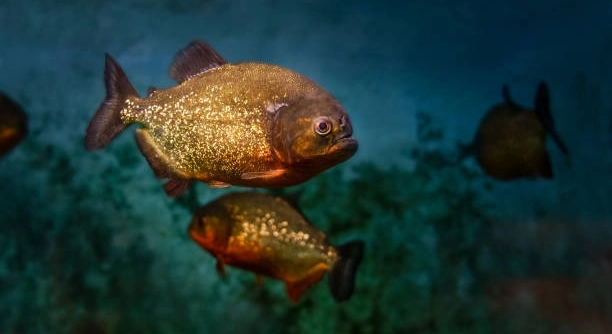
Are your piranha’s colors starting to fade, leaving them looking dull? Many fish owners notice this change and wonder what might be causing it. Color loss can indicate several underlying issues that affect your piranha’s health.
Piranhas lose color due to factors such as poor water quality, inadequate diet, stress, illness, or insufficient lighting. Each of these conditions disrupts the fish’s natural pigmentation and overall well-being, leading to faded or dull appearance.
Knowing these reasons helps you spot problems early and take proper care of your piranha’s vibrant colors and health. Understanding the causes is key to keeping your fish looking their best.
Poor Water Quality
Maintaining clean water is essential for your piranha’s health and vibrant colors. Dirty or poorly maintained water can cause stress and weaken your fish’s immune system. Ammonia, nitrites, and nitrates build up quickly in tanks without regular cleaning or filtration. These chemicals are toxic and interfere with your piranha’s ability to display its natural colors. Additionally, fluctuating water temperature and pH levels can add to the stress. Stress from poor water conditions often shows first as a loss of color. You might notice your fish hiding more or acting sluggish. Regular water tests and partial water changes are necessary to keep these factors under control. A stable, clean environment allows your piranha to stay healthy and colorful, making it easier for its natural pigments to shine. Avoid overfeeding, which can pollute the tank, and always use a good filter system.
Keeping water clean is one of the easiest ways to help your piranha keep its color.
Proper water care not only improves your piranha’s color but also supports its immune system and overall longevity. Stress caused by poor water conditions affects appetite and behavior, often leading to illness. Frequent water changes, around 20-30% weekly, prevent buildup of harmful chemicals. Use water conditioners to remove chlorine and heavy metals from tap water. Monitor the tank’s temperature, keeping it steady between 75-80°F, and ensure pH stays around 6.5 to 7.5. Avoid overcrowding, as too many fish increase waste and reduce oxygen. Investing time in water maintenance will reward you with a healthier, more colorful piranha that thrives in its environment.
Inadequate Diet
Your piranha’s diet has a direct impact on its color and health. Feeding only basic flakes or pellets can cause nutrient deficiencies that dull its vibrant hues. Piranhas need a mix of proteins, vitamins, and minerals to maintain their pigmentation. Fresh or frozen foods like bloodworms, shrimp, and small fish provide essential nutrients missing in dry foods. Variety is key because it mimics their natural diet and helps them develop brighter colors. Feeding too little or too often can also harm your fish, so aim for balanced portions once or twice daily. Nutritional gaps weaken the fish and reduce its ability to produce strong colors.
A balanced, nutrient-rich diet encourages brighter, healthier piranhas that display their natural colors proudly.
Ensuring your piranha receives high-quality protein sources supports muscle growth and color production. Vitamins like A, C, and E improve skin and scale condition, while minerals like zinc help pigment development. Avoid feeding only feeder fish, as they might carry diseases or parasites. Instead, incorporate fresh foods purchased from reliable sources or prepare your own. Supplements can be added to improve color but should not replace a varied diet. Remember, a healthy diet supports overall vitality, so watch for changes in appetite or activity as signs your piranha needs a diet adjustment. Consistent feeding habits help maintain both color and health over time.
Stress and Overcrowding
Stress causes your piranha’s colors to fade quickly. Overcrowded tanks increase aggression and competition, which wears your fish down.
Piranhas are territorial by nature and do not thrive in crowded environments. Too many fish in one tank cause stress through constant fighting or hiding. Stress weakens their immune system, making it harder to maintain bright colors. Providing enough space, hiding spots, and a peaceful environment helps reduce stress. Avoid mixing incompatible species, as this can also increase aggression and color loss. Keeping your tank balanced in terms of population is crucial for your piranha’s health and color retention.
Stress affects feeding habits, leading to poor nutrition and further color fading. In extreme cases, prolonged stress can cause illness or death. Watching for signs like constant hiding or damaged fins can help catch stress early. Managing tank mates carefully and providing sufficient space helps your piranha relax and regain its color.
Illness and Parasites
Illness and parasites often cause noticeable color loss in piranhas. They can weaken your fish and damage their scales and skin.
Common diseases like ich, fin rot, or fungal infections interfere with your piranha’s ability to maintain color. Parasites attach to the fish, causing irritation and stress, which dulls their appearance. Sick fish may stop eating and become lethargic, signaling that something is wrong. Quarantining new fish before adding them to your tank reduces disease risk. Maintaining good water quality and observing your fish regularly can help catch problems early. Treating illness quickly improves recovery chances and color restoration.
Ignoring illness can lead to permanent damage and further color loss. Effective treatment depends on proper diagnosis, so consult a vet or aquatic specialist if symptoms persist. Using medications as directed and continuing good tank maintenance supports healing and color return.
Insufficient Lighting
Proper lighting plays a big role in keeping your piranha’s colors bright. Too little light can make colors fade and appear dull.
Natural or full-spectrum lighting helps your fish show its true colors. Avoid harsh or direct sunlight, which can stress your piranha and promote algae growth.
Genetics and Aging
Genetics influence how bright your piranha’s colors can be. Some species naturally have less vibrant pigmentation, and aging causes gradual color fading. Older piranhas often lose intensity in their colors as their metabolism slows. While you can improve environmental conditions, genetics and age limit how bright their colors will get. Accepting these natural changes helps manage expectations for your fish’s appearance over time.
Tank Size and Environment
A small or poorly arranged tank can stress your piranha, causing color loss. Provide ample space and a comfortable environment to support its health.
FAQ
Why is my piranha’s color fading even though the water looks clean?
Clean water is important, but it’s not just about clarity. Harmful chemicals like ammonia, nitrites, and nitrates can be invisible but still stress your fish. Testing water regularly and keeping these levels low is essential. Even small changes in pH or temperature can affect your piranha’s color.
How often should I change my piranha’s water to maintain its color?
A good rule is to change 20-30% of the tank water every week. This keeps toxins from building up and supports a stable environment. Regular changes also refresh oxygen levels, which helps your piranha stay healthy and colorful.
Can diet alone restore my piranha’s lost color?
Diet is very important, but it’s only part of the solution. Providing high-quality proteins, vitamins, and minerals can improve pigmentation, but without clean water and low stress, diet changes may not be enough. A balanced approach is best.
What foods are best for brightening my piranha’s colors?
Feed a variety of fresh or frozen protein-rich foods like bloodworms, shrimp, and small fish. Avoid relying only on flakes or pellets. These natural foods provide nutrients and pigments that support vibrant colors.
Is it normal for piranhas to lose color as they age?
Yes, some color fading is natural with age. Older piranhas tend to have less intense colors due to slower metabolism and genetic factors. While good care helps, aging will still cause gradual changes.
How does stress affect my piranha’s color?
Stress weakens the immune system and reduces pigment production. Causes include overcrowding, aggressive tank mates, poor water quality, or sudden changes in environment. Reducing stress helps your fish regain its color and stay healthy.
Can lighting really change the color of my piranha?
Yes, proper lighting highlights your piranha’s natural colors. Use full-spectrum or natural lighting for the best effect. Too little light dulls colors, while too much can cause stress and algae growth.
What should I do if I notice signs of illness along with color loss?
If your piranha looks faded and shows symptoms like lethargy, clamped fins, or spots, act quickly. Quarantine the sick fish if possible, test water parameters, and seek advice from a vet or aquatic specialist. Early treatment improves chances for recovery.
How important is tank size for my piranha’s color and health?
Tank size matters a lot. Piranhas need plenty of space to swim and establish territory. Small or overcrowded tanks increase stress and can cause color loss. Aim for at least 20 gallons per piranha and avoid mixing aggressive species.
Are there any supplements that can help my piranha regain its color?
Some supplements contain pigments or vitamins that support color, but they should not replace a good diet and clean environment. Use supplements cautiously and follow instructions to avoid overdosing or harming your fish.
Taking care of your piranha’s color involves paying attention to many small but important details. The fish’s environment, diet, and overall health all work together to keep its colors bright. When one part is out of balance, the colors can start to fade. Clean water, proper feeding, and a peaceful tank setup are the foundation of good care. Regular checks on water quality and tank conditions help prevent problems before they start. Stress is a big factor that many owners overlook, but it plays a major role in color loss. Making sure your piranha has enough space and calm surroundings is key to maintaining its natural beauty.
It’s normal for piranhas to lose some color as they grow older or if their genetics don’t favor very bright pigmentation. However, when colors fade quickly or look dull, it often points to an issue that can be fixed. Illnesses and parasites need prompt attention, or they can cause serious harm to your fish. Feeding a varied and nutritious diet supports both color and health, but it should come alongside good water care and tank management. Lighting also affects how vibrant your fish appears, so using the right type and amount of light can make a noticeable difference. Combining all these care aspects will give your piranha the best chance to stay colorful and lively.
Remember, every piranha is different, and some may show brighter colors naturally than others. Patience and consistent care are important. Keep watching your fish’s behavior and appearance to catch early signs of trouble. By adjusting water quality, diet, and tank conditions as needed, you help your piranha stay healthy and colorful for a long time. Taking small steps regularly goes a long way in making sure your piranha looks its best. With proper attention, you can enjoy the full beauty of your fish and the joy it brings to your aquarium.

Hello,
If you enjoy the content that we create, please consider saying a "Thank You!" by leaving a tip.
Every little bit helps us continue crafting quality advice that supports the health, happiness, and well-being of pets around the world, for pets of all shapes, sizes, and species.
We really appreciate the kindness and support that you show us!