
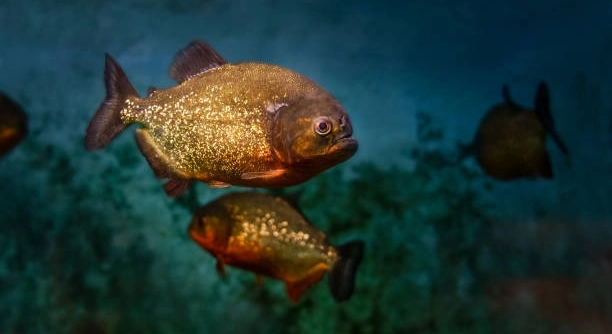
Have you ever tried adding tank mates to your piranha aquarium, only to find that things didn’t go as planned?
Many common tank mates are incompatible with piranhas due to aggression, territorial behavior, or high stress responses. These issues often lead to injury, death, or poor health for both the piranhas and the other fish.
Understanding which species to avoid helps protect your tank and supports a healthier, safer environment for your piranhas.
Tetras Are Too Small and Nervous
Tetras may seem like a peaceful option, but they are not suited for tanks with piranhas. Their small size and fast, erratic movements can trigger predatory instincts in piranhas, leading to stressful chases and eventual harm. Even if they aren’t eaten right away, they often live in constant fear, affecting their health and behavior. Piranhas may also nip at tetras out of curiosity or frustration, causing injuries. These issues make tetras poor tank mates. Even experienced keepers often separate them once they notice signs of stress or aggression. The contrast in behavior and physical size makes them incompatible.
Tetras don’t stand a chance in a tank with piranhas. Their quick movement and small bodies make them easy targets or constant stressors in the environment.
If you’ve tried mixing tetras and piranhas, you may have seen constant chasing or missing fins. This isn’t a rare issue. Piranhas are territorial, and anything that moves quickly becomes a possible threat or meal. Tetras, being small and active, unintentionally provoke aggression. Over time, this increases injury risk and leaves both species stressed. You might notice the tetras hiding more often or even dying from exhaustion or injuries. It’s best to house tetras in their own peaceful tank away from aggressive species.
Goldfish Add Excess Waste
Goldfish are messy eaters and release a lot of waste into the tank, which can affect water quality and lead to health problems for piranhas.
Their waste quickly raises ammonia levels, putting stress on piranhas and creating unstable tank conditions. In addition, goldfish swim slowly and can’t escape fast movements from curious or aggressive piranhas. This makes them easy targets. While they might seem like an affordable and easy choice, goldfish need different care requirements and higher filtration systems. When housed with piranhas, they rarely thrive. The increased waste often leads to cloudy water, strong odors, and the need for frequent cleanings. It also puts the piranhas at risk for fin rot, infections, or ammonia burns. Keeping the tank clean becomes harder, especially in smaller setups. Long-term, this pairing leads to more work, more stress, and higher chances of illness. Goldfish may survive for a while, but they won’t do well in the long run.
Cichlids Compete for Territory
Cichlids are known for being territorial and aggressive, which often leads to constant conflict in a tank with piranhas. These behaviors create a stressful environment where both species fight over space, leading to frequent injuries.
When housed together, cichlids and piranhas constantly challenge each other for dominance. Both are naturally territorial, and this creates tension in even large aquariums. Cichlids tend to pick certain spots and defend them, while piranhas often patrol the entire tank. This leads to pushing, chasing, and nipping. Even if there’s no immediate harm, long-term stress weakens the immune systems of both species. Some aquarists try to separate territories with décor, but this rarely works. One aggressive encounter can cause severe injuries, especially to fins and tails.
Over time, repeated confrontations between cichlids and piranhas can result in serious damage. You may see split fins, missing scales, or signs of infection. Some fish may become withdrawn and stop eating. In more severe cases, the stress can lead to early death. A common mistake is assuming that giving them enough space will prevent fighting, but their instincts override that. These species are better kept in separate tanks where they can each behave naturally without risk of injury or territorial stress.
Catfish Are Too Passive
Catfish tend to keep to themselves, but their passive nature and slower movement often make them easy targets for curious or irritated piranhas. Even armored varieties are not fully protected against repeated nipping or aggressive behavior.
Piranhas may view slow-moving fish like catfish as something to investigate or bite. While some catfish have bony plates or sharp spines, this isn’t always enough to keep them safe. Piranhas can still cause damage by biting fins, tails, or soft tissue. Catfish also tend to rest near the bottom, and piranhas may become territorial over these areas, causing stress or physical harm. Their feeding habits can also conflict. Catfish scavenge leftovers, but this often leads to food competition, which piranhas don’t tolerate well. Injuries, infections, and poor water conditions usually follow. Over time, this pairing puts both species at risk and leads to ongoing problems with tank stability.
Angelfish Are Too Delicate
Angelfish have long fins and a calm nature, which makes them vulnerable in a piranha tank. Their slow movements and flowing fins often attract attention, leading to nips, stress, or worse injuries over time.
Even in a peaceful setup, angelfish struggle to hold their ground near piranhas. Their gentle nature and slower response to threats make them an easy target.
Plecos Often Outgrow the Space
Plecos are hardy, but their large size and heavy waste production can overwhelm your setup. While they are often added for algae control, their needs grow fast. As they mature, plecos produce more waste and take up space, stressing piranhas. Their armored bodies may protect them at first, but tension builds over time. You might also notice them trying to latch onto piranhas, especially when hungry. This behavior causes irritation or injuries. With increased waste, you’ll deal with cloudy water and more maintenance. Housing them with piranhas is not worth the risk or long-term work they bring into the tank.
Barbs Are Too Aggressive
Barbs are fast and aggressive, often nipping at tank mates. This behavior quickly creates tension in a piranha tank, leading to stress and fights.
What tank mates can safely live with piranhas?
Finding compatible tank mates for piranhas is challenging due to their aggressive nature. Generally, other large, robust fish that can hold their own in the tank are better options. Examples include certain types of large catfish like Plecostomus (when the tank is spacious enough), large pacu, or some species of armored fish. However, even these require careful observation. Most aquarists recommend keeping piranhas in species-only tanks to avoid unnecessary stress and injuries. If tank mates are added, the aquarium must be large, well-filtered, and provide plenty of hiding spaces to reduce conflict.
Why do piranhas attack other fish in the tank?
Piranhas are naturally territorial and predatory. They instinctively hunt smaller or weaker fish, which triggers aggression in confined spaces. The limited size of home aquariums intensifies this behavior, causing piranhas to react strongly to any fish they perceive as competition or prey. Their sharp teeth and quick strikes cause injuries even during minor fights. Aggression can also arise from overcrowding, poor water conditions, or stress, increasing attacks on tank mates. Ensuring proper tank size, water quality, and minimizing stress can reduce, but not eliminate, this aggressive behavior.
Can piranhas live alone?
Piranhas can live alone, but they are often social fish that thrive in groups, called shoals. Housing a single piranha may lead to boredom or stress, affecting its health. However, keeping multiple piranhas together requires a large tank to reduce aggression and territorial disputes. A group size of at least five is commonly recommended to distribute aggression evenly. Tanks must be spacious with plenty of hiding places to support peaceful coexistence. Solo housing is simpler but may not meet the fish’s natural social needs.
What is the ideal tank size for piranhas?
The minimum recommended tank size for a small group of piranhas is usually around 75 gallons. Larger tanks of 100 gallons or more are preferable for multiple fish. The extra space helps reduce aggression and provides room for territories. A larger tank also helps maintain stable water quality, which is essential for piranha health. Insufficient space often leads to stress, poor behavior, and higher disease risk. When adding tank mates, the tank size must increase accordingly to accommodate all species comfortably.
How can I reduce aggression among piranhas?
Reducing aggression involves providing enough space, proper filtration, and environmental enrichment. Overcrowding should be avoided, and tanks should have hiding spots such as plants, rocks, or driftwood to break lines of sight. Regular water changes and stable water parameters help reduce stress. Feeding piranhas adequately and frequently can also lower aggression, as hunger often increases territorial behavior. It is important to observe their behavior closely and remove overly aggressive individuals if needed. Proper care supports a more balanced and less aggressive environment.
Is it safe to keep piranhas with live plants?
Piranhas can be kept with hardy live plants, but many species will damage or uproot delicate plants during their activity. Fast-growing and tough plants like Java fern or Anubias are more suitable. Plants provide cover and reduce stress by breaking sight lines, but they must be chosen carefully. Regular monitoring is needed to replace damaged plants and maintain tank aesthetics.
What should I feed piranhas in a community tank?
Feeding piranhas in a community tank requires attention to the diet of all species present. Piranhas are carnivores, so their primary diet consists of meat-based foods such as fish fillets, shrimp, or specialized pellets. Feeding enough food reduces aggression. Tank mates may have different dietary needs, so feeding times should be planned to meet all species without competition. Uneaten food should be removed promptly to avoid water quality problems.
Can piranhas coexist with other aggressive fish?
Coexisting with other aggressive fish is risky. Two aggressive species in the same tank often escalate fights and injuries. Both groups will compete for territory, food, and dominance, leading to stress and potential death. It is safer to avoid mixing aggressive species with piranhas unless the tank is very large and well-structured. Even then, close supervision is necessary to manage conflicts.
How often should water be changed in a piranha tank?
Frequent water changes are essential. At least 25% to 30% of the water should be replaced weekly to maintain water quality and reduce toxin buildup. Piranhas produce a significant amount of waste, so keeping ammonia, nitrites, and nitrates low is critical. Regular water changes help prevent stress and illness and support healthy behavior.
What signs show that tank mates are not compatible with piranhas?
Signs include constant chasing, fin damage, hiding, loss of appetite, and unusual lethargy. Injuries or missing scales indicate aggressive attacks. If tank mates seem fearful or stop moving freely, they likely suffer from stress. Rapid water quality decline and increased waste may also reflect poor compatibility. Immediate action is necessary to prevent fatalities.
The compatibility of tank mates with piranhas requires careful consideration. Piranhas are naturally aggressive fish, and their behavior often conflicts with many other species. This aggression can lead to stress, injury, or death for tank mates that are not suitable. It is important to understand the needs and characteristics of piranhas before adding other fish to the tank. Most often, keeping piranhas in a species-only tank is the safest choice to ensure their health and well-being, as well as the stability of the aquarium environment.
Tank size and setup play significant roles in how well piranhas coexist with other fish. Larger tanks with plenty of hiding spaces and proper filtration can sometimes reduce aggression and provide better conditions for multiple fish. However, even with these adjustments, many common aquarium species are still not compatible with piranhas. The size, temperament, and activity level of potential tank mates must be considered. Fish that are slow-moving, small, or have long fins tend to suffer the most in a piranha tank. Providing sufficient space and environmental enrichment helps, but it does not guarantee peaceful cohabitation.
Ultimately, the responsibility lies with the aquarist to create a balanced and safe environment. Monitoring the fish’s behavior and health is crucial after introducing any new species. Early signs of stress or injury should prompt immediate action, such as separating incompatible fish. Maintaining clean water, proper diet, and adequate space reduces risks but does not eliminate the inherent challenges of keeping piranhas with other tank mates. Thoughtful planning and ongoing care will support a healthier aquarium and protect all fish involved.

Hello,
If you enjoy the content that we create, please consider saying a "Thank You!" by leaving a tip.
Every little bit helps us continue crafting quality advice that supports the health, happiness, and well-being of pets around the world, for pets of all shapes, sizes, and species.
We really appreciate the kindness and support that you show us!