
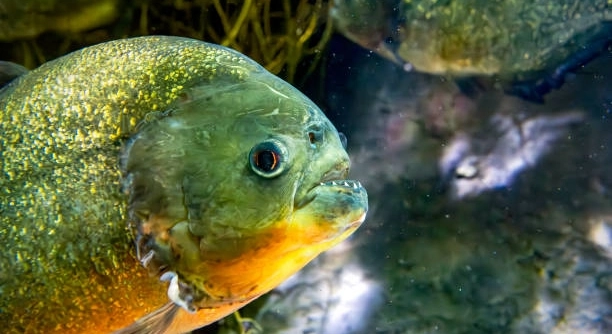
Feeding a piranha may seem simple, but many common mistakes can cause stress to these fish. Proper feeding is important for their health and behavior. Understanding what to avoid can help keep your piranha calm and thriving.
Feeding mistakes such as overfeeding, improper diet, and poor feeding schedules are major stressors for piranhas. These errors disrupt their digestion, increase aggression, and affect water quality, ultimately harming their overall well-being and longevity in captivity.
Learning to feed your piranha correctly will improve its health and reduce stress, making your care routine smoother and more enjoyable.
Overfeeding Your Piranha
Many piranha owners think feeding more is better, but overfeeding can cause real problems. When you give too much food, your piranha may struggle to eat it all, leading to leftover bits that pollute the water. This can make the tank dirty and stressful for the fish. Excess food also leads to poor digestion, which can cause bloating or other health issues. Feeding your piranha small portions at regular times helps prevent these problems. It’s better to feed less and observe if your fish still looks hungry. Over time, you’ll learn the right amount that keeps your piranha satisfied without stressing its system. Clean water and careful feeding go hand in hand to create a healthy environment. The goal is to keep your piranha healthy, calm, and active by controlling food quantity.
Feeding only what your piranha can eat in a few minutes keeps the tank cleaner and your fish healthier.
Being mindful about how much you feed your piranha saves you from dealing with water quality problems and fish stress later. A good practice is to offer food once or twice a day and remove any leftovers quickly. Watch your fish’s behavior after feeding. If it seems sluggish or bloated, reduce the amount next time. Maintaining a feeding routine helps your piranha stay in top shape and avoid unnecessary health risks. Clean water and moderate feeding are essential for a peaceful tank environment.
Feeding the Wrong Diet
Piranhas need a balanced diet with protein to thrive. Feeding them only flakes or pellets won’t give them the nutrients they require. Their natural diet consists mainly of meat, such as small fish, insects, and crustaceans. Providing fresh or frozen options like shrimp, fish fillets, or bloodworms offers essential proteins and fats. A poor diet can lead to weakness and disease, increasing stress. Variety is key to keeping your piranha’s nutrition balanced. Avoid feeding fatty or processed foods, as these can cause digestive troubles. Fresh, high-quality protein sources support strong growth and good energy. Make sure to rotate the types of food so your piranha receives a full range of nutrients.
A proper diet with fresh proteins helps your piranha stay healthy and energetic.
Consistent feeding with the right diet prevents malnutrition and reduces aggressive behavior linked to stress. In the wild, piranhas hunt live prey, so they are adapted to a protein-rich menu. Mimicking this at home is important. You don’t need to feed live food constantly, but including frozen or fresh protein sources keeps them happy. Avoid plant-based foods since piranhas are mostly carnivores. Feeding balanced meals supports their immune system and overall well-being. It’s important to research and provide appropriate food types to avoid health issues. With a proper diet, your piranha will be less stressed and more vibrant, making tank maintenance easier.
Feeding Too Often
Feeding your piranha too often can cause more harm than good. It puts stress on their digestive system and worsens water quality. Keeping a steady feeding schedule is essential for their health.
Frequent feeding leads to leftover food that breaks down in the tank, raising ammonia and nitrate levels. These toxins irritate your piranha’s gills and skin, making them stressed and prone to disease. Additionally, constant feeding can upset their natural eating rhythm, causing digestive problems. Most adult piranhas do well with one or two meals per day. Avoid snacks or extra treats between feedings, which often result in overeating. Stick to a simple, consistent routine to keep your tank clean and your piranha healthy.
Reducing feeding frequency not only improves water quality but also supports your piranha’s natural behaviors. It encourages hunting instincts and helps maintain their energy levels. This practice makes tank maintenance easier and keeps your fish less aggressive.
Feeding Inappropriate Food Size
Feeding food that is too large or too small can cause trouble for your piranha. Proper food size helps prevent choking and digestive blockages. It also makes eating easier and less stressful for your fish.
If food pieces are too big, your piranha might struggle to bite or swallow, which can lead to injury or refusal to eat. On the other hand, very small food can be eaten too quickly, increasing the risk of gulping air or choking. Cutting food into bite-sized chunks suitable for your piranha’s mouth reduces these risks. It also allows your fish to eat comfortably and digest food properly. Consistent portion sizes encourage calm feeding and reduce competition among tank mates.
Choosing the right size food supports your piranha’s health and reduces stress during meals. It helps prevent common feeding problems like choking, digestive blockages, and wasted food that pollutes the tank.
Feeding Without Cleaning Up
Leaving uneaten food in the tank is harmful. It quickly decomposes, polluting the water and stressing your piranha. Removing leftovers after feeding is important to keep the environment healthy.
Regularly cleaning the tank helps maintain water quality. Poor water conditions can cause infections and make your piranha more aggressive or lethargic. A clean tank supports your fish’s well-being and reduces stress.
Using Only One Type of Food
Feeding your piranha the same food every day can cause nutritional gaps. Variety ensures your fish gets all essential nutrients for good health and energy.
Offering different protein sources, such as shrimp, fish fillets, and bloodworms, keeps your piranha’s diet balanced. Variety helps prevent boredom and promotes better digestion. Changing food types mimics their natural diet and supports long-term health.
Feeding Live Food Only
Feeding live food exclusively can expose your piranha to parasites and diseases. It’s safer to mix live food with frozen or prepared options to reduce risks.
How often should I feed my piranha?
Feeding your piranha once or twice a day is usually enough. Overfeeding can cause water quality issues and stress the fish. It’s better to offer small portions that your piranha can finish within a few minutes. Observing how quickly your fish eats will help you adjust the amount. Feeding on a regular schedule also supports their natural routine and digestion.
What types of food are best for piranhas?
Piranhas need a protein-rich diet that mimics what they eat in the wild. Fresh or frozen fish fillets, shrimp, bloodworms, and insects are good choices. Avoid feeding only flakes or pellets, as they don’t provide enough nutrients. Mixing food types helps cover all nutritional needs. Avoid fatty or processed foods, which can cause digestive problems.
Can I feed my piranha live food?
Yes, but live food should be given carefully. While piranhas naturally eat live prey, feeding only live food risks introducing parasites or diseases. It’s safer to mix live food with frozen or prepared options. Always source live food from trusted suppliers and avoid wild-caught animals that might carry infections.
Is it okay to feed piranhas plant-based food?
Piranhas are mostly carnivores, so plant-based food doesn’t meet their dietary needs. Feeding them plants or vegetables can cause malnutrition and digestive troubles. Focus on protein-rich foods to keep them healthy and active.
What happens if I overfeed my piranha?
Overfeeding leads to leftover food in the tank, which decomposes and pollutes the water. Poor water quality stresses your piranha and can cause illness. Overfeeding also strains their digestive system, causing bloating or constipation. It’s important to feed moderate amounts and remove any uneaten food.
How do I know if my piranha is stressed from feeding mistakes?
Signs of stress include unusual aggression, hiding, lethargy, or refusal to eat. Physical signs like bloating or faded colors may also appear. Water quality problems from leftover food can increase stress. Watching your fish’s behavior after feeding helps you spot issues early and adjust your routine.
Can feeding the wrong size food hurt my piranha?
Yes. Food pieces that are too large may cause choking or refusal to eat. Too small pieces can be swallowed too quickly, increasing choking risk. Cut food into bite-sized chunks that fit your piranha’s mouth comfortably to avoid these problems.
Should I clean the tank after every feeding?
You don’t need to clean the entire tank every time, but removing leftover food soon after feeding is important. This prevents decay and keeps water quality high. Regular water changes and tank maintenance complement this to keep your piranha healthy and stress-free.
Is it okay to feed my piranha snacks or treats?
Snacks or treats should be given sparingly, if at all. Too many extras can disrupt their diet and cause overfeeding problems. Stick to a consistent feeding schedule with balanced meals to ensure your piranha’s well-being.
What’s the best way to store piranha food?
Store fresh or frozen foods in the freezer to keep them safe and nutritious. Avoid thawing and refreezing, which lowers food quality. Keep dry pellets or flakes in a cool, dry place away from moisture to prevent spoilage. Proper storage helps maintain food safety for your fish.
Feeding a piranha the right way is very important for its health and happiness. Avoiding common mistakes like overfeeding, giving the wrong diet, or feeding too often can prevent many problems. When you feed your piranha properly, it stays active and calm, and the water stays clean. A balanced diet made mostly of protein and feeding on a steady schedule will help your fish grow strong and live longer. Paying attention to how much and what you feed makes a big difference in the quality of life for your piranha.
Keeping the tank clean is just as important as feeding correctly. Leftover food can pollute the water, which causes stress and health issues for your piranha. Removing uneaten food quickly and doing regular water changes keeps the environment safe and comfortable. Clean water helps your piranha avoid infections and behave normally. A healthy tank and good feeding habits work together to support your fish’s overall well-being. This balance makes caring for your piranha easier and more rewarding.
In the end, patience and observation are key when feeding piranhas. Each fish might have its own preferences or needs, so watching your piranha’s behavior after feeding helps you learn what works best. Adjusting portion sizes, food types, and feeding times based on your fish’s reaction will keep stress low. Feeding piranhas is not just about giving food; it’s about creating a stable and healthy routine. With care and attention, you can provide a good home where your piranha can thrive.

Hello,
If you enjoy the content that we create, please consider saying a "Thank You!" by leaving a tip.
Every little bit helps us continue crafting quality advice that supports the health, happiness, and well-being of pets around the world, for pets of all shapes, sizes, and species.
We really appreciate the kindness and support that you show us!