
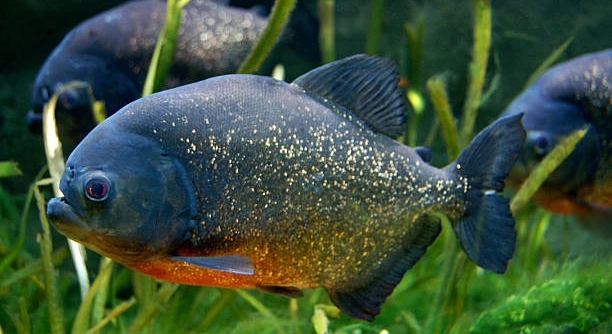
Piranhas have a fierce reputation, but some people keep them as pets. Understanding their behavior can help owners manage and care for these unique fish responsibly. Training a piranha may sound unusual, yet it sparks interest among enthusiasts.
Training a piranha is possible to a limited extent through consistent feeding routines and environmental conditioning, but their natural instincts and aggressive behavior restrict the level of complex training achievable. Practical methods focus mainly on habituation rather than advanced commands.
This article explains what realistic training approaches work and how to handle piranhas safely in captivity. It provides clear guidance for anyone interested in these remarkable fish.
Understanding Piranha Behavior
Piranhas are often misunderstood due to their reputation for aggression. They are naturally territorial and respond strongly to changes in their environment. This means they can be cautious or defensive around new stimuli. Regular feeding schedules help them recognize patterns, which is key to any training effort. Their responses, however, are mostly instinctive rather than learned behaviors. Piranhas are more likely to react to food than to commands or signals. It is important to respect their natural tendencies and avoid forcing interactions that might stress them. Observing their daily habits can give clues about what they respond to best. Keeping a calm and consistent environment helps reduce their stress and encourages more predictable behavior. Overall, patience and understanding of their instincts are essential when working with piranhas in captivity.
Consistency in feeding times is the foundation of habituating piranhas to human presence.
Training efforts should focus on simple, repetitive tasks that align with their natural behavior patterns to see results.
Practical Training Techniques
Feeding piranhas by hand, once they are accustomed to regular schedules, can teach them to associate a person’s presence with food. This reduces their defensive reactions and builds trust over time. Using a small feeding tool can keep safety a priority while maintaining interaction. Piranhas respond well to repetition, so always feed in the same location and time to strengthen their recognition. Avoid sudden movements or loud noises during feeding sessions. These fish learn through observation and routine rather than commands, so patience is necessary. Over time, they may start approaching the feeding area quickly when a person appears, showing habituation rather than true training. It is important to remember that their natural aggression cannot be fully controlled or eliminated. Training should never aim to change their nature but to create a safer, more manageable environment for both fish and keeper. Proper tank setup, including hiding spots, also helps reduce stress and improves overall behavior.
Safety Considerations When Handling Piranhas
Handling piranhas requires caution due to their sharp teeth and aggressive nature. Always use protective tools such as feeding tongs to avoid injury. Never attempt to touch them with bare hands, especially if they are not yet accustomed to human presence.
Ensuring a secure tank environment is essential for safety. Piranhas can become aggressive if they feel threatened or stressed, so avoid overcrowding and provide plenty of hiding spots. Regular water changes and a clean habitat reduce stress levels, which helps keep them calmer. When feeding or maintaining the tank, move slowly and predictably to minimize sudden reactions.
It’s also important to understand the limits of training with piranhas. They are not domesticated animals and will never respond like typical pets. Respecting their natural behavior minimizes risks for both the keeper and the fish. Prioritizing safety ensures a better experience and healthier fish.
Environmental Factors That Affect Behavior
Water temperature and quality greatly impact piranha behavior. They thrive in warm water between 75-82°F, and poor water conditions can make them irritable or lethargic. Maintaining stable temperature and clean water encourages more consistent behavior.
Lighting also affects activity levels. Dimmer lighting tends to make piranhas less aggressive, while very bright lights can cause stress and defensive actions. Providing areas with natural shade or hiding spots helps them feel secure. Tank decorations like plants or rocks mimic their natural habitat and reduce anxiety.
Feeding routine is another environmental factor. Predictable schedules condition piranhas to associate people with food, aiding basic training. Sudden changes in environment or diet often trigger aggression, so gradual adjustments are best. Understanding these factors helps keep piranhas calm and easier to manage.
Common Misconceptions About Piranha Training
Many people believe piranhas can be trained like dogs or other pets. This is not accurate. Piranhas have limited learning abilities compared to mammals.
Some expect them to follow commands, but their behavior is mostly instinctual. Training is better viewed as habituation to reduce aggression and stress.
How to Build Trust Over Time
Building trust requires consistent interaction, mostly through feeding routines. Hand-feeding with care can reduce their fear and defensive reactions. Over time, they learn to associate human presence with food, which helps create calmer behavior during feeding.
Signs Your Piranha Is Responding
If a piranha approaches the feeding area quickly when you arrive, it shows recognition. This behavior indicates some level of habituation, not obedience.
When Training Is Not Recommended
Avoid training if your piranha shows extreme aggression or stress. Forcing interactions can harm both you and the fish.
FAQ
Can piranhas really be trained?
Piranhas cannot be trained like typical pets. They have limited cognitive ability and rely mostly on instinct. However, they can be habituated to certain routines, especially feeding times. This means they might recognize when a person approaches and expect food, but they will not follow commands or perform tricks.
How long does it take for a piranha to get used to feeding by hand?
It usually takes several weeks of consistent, calm feeding sessions for a piranha to become comfortable with hand-feeding or feeding tools. Patience is key. Sudden movements or irregular schedules can set progress back, so keeping a steady routine helps them adapt better.
Is it safe to feed piranhas by hand?
Feeding by hand can be done safely if proper tools like long feeding tongs are used. Avoid putting bare fingers near their mouths. Piranhas have sharp teeth and can bite accidentally if startled. Always prioritize safety for both yourself and the fish.
What behaviors show a piranha is stressed?
Signs of stress include frantic swimming, hiding constantly, loss of appetite, and aggressive snapping. Poor water quality, overcrowding, or sudden changes in environment usually cause stress. Keeping the tank clean, providing hiding places, and maintaining stable conditions help reduce these behaviors.
Can piranhas recognize their owners?
Piranhas can learn to associate their caretakers with food, so they may react by swimming towards the person during feeding times. This is a form of habituation, not recognition like pets. They respond mostly to routine and environmental cues rather than emotional bonds.
What is the best tank setup to encourage calm behavior?
A tank with plenty of hiding spots such as plants, rocks, or decorations helps piranhas feel secure. Clean water and proper filtration are essential. Keep the tank at stable temperatures between 75-82°F and avoid overcrowding. A well-maintained environment reduces stress and aggression.
Can piranhas live peacefully with other fish?
Piranhas are territorial and aggressive, especially when hungry. Keeping them with other fish can be risky. Smaller or slow-moving fish may become targets. If you want tank mates, choose large, fast, or robust species and provide ample space, but risks always remain.
How do feeding routines affect piranha behavior?
Regular feeding schedules condition piranhas to expect food at certain times, making them more predictable and less aggressive during those periods. Irregular feeding or overfeeding can cause stress or increased aggression. Balanced diets also help maintain health and calmness.
Are there any risks in trying to train piranhas?
Yes, trying to train piranhas beyond simple habituation can increase stress and provoke aggressive behavior. Forcing interaction may lead to injury for both the keeper and fish. It is best to accept their natural behavior and focus on safe handling and environment management.
What should I do if my piranha bites me?
If bitten, clean the wound immediately with soap and water. Monitor for signs of infection like redness or swelling. Seek medical advice if the bite is deep or shows signs of infection. Prevent bites by using proper tools and avoiding sudden movements near the tank.
Can piranhas live long in captivity?
With proper care, piranhas can live up to 10 years in captivity. This requires a stable environment, clean water, proper diet, and stress reduction. Neglect or poor conditions shorten their lifespan significantly.
Is it necessary to have multiple piranhas in one tank?
Piranhas are schooling fish and often live in groups in the wild. Keeping a small group in captivity can reduce stress and aggression if the tank is large enough. However, overcrowding causes fights. Balance is crucial to maintain harmony.
What kind of food is best for piranhas?
Piranhas are omnivores but prefer a diet rich in protein. Feeding them pellets designed for carnivorous fish, along with occasional live or frozen foods like shrimp or small fish, works well. Avoid overfeeding to prevent water quality issues and obesity.
Can piranhas be trained to perform tricks?
No, piranhas do not have the cognitive ability to learn tricks like dogs or birds. Their responses are limited to simple habituation and feeding recognition. Trying to teach tricks may cause frustration and stress.
How do I reduce aggression in piranhas?
Maintaining a proper tank size, providing hiding places, regular feeding, and stable water conditions all help reduce aggression. Avoid overcrowding and sudden changes in the environment. Patience and careful management are the best approaches.
What signs indicate a healthy piranha?
Healthy piranhas are active, have clear eyes, vibrant scales, and consistent eating habits. They should swim confidently and not hide excessively. Any signs of lethargy, discoloration, or abnormal behavior warrant attention.
Can piranhas be kept alone?
While they can survive alone, piranhas naturally live in groups and may become stressed if isolated. If keeping a single piranha, ensure extra care is taken to reduce boredom and stress by maintaining an enriched environment.
Is training necessary for piranhas in captivity?
Training is not necessary for piranhas but habituation to feeding routines can improve handling safety and reduce stress. The focus should be on proper care, not advanced training.
How often should piranhas be fed?
Adult piranhas should be fed once a day, while juveniles may need feeding twice daily. Overfeeding can lead to poor water quality and health problems. Feed only what they can consume within a few minutes.
Can piranhas get used to human presence?
Yes, with regular, calm interactions, piranhas can become less reactive to humans. This habituation helps reduce aggressive reactions during feeding or maintenance but does not mean they form emotional bonds.
What is the best way to introduce new piranhas to a tank?
Introduce new piranhas slowly by acclimating them to the tank water temperature and chemistry. Monitor interactions closely to prevent fights, especially when mixing new and established fish. Provide hiding spots and space to reduce territorial aggression.
Final Thoughts
Training piranhas in the traditional sense is not realistic due to their natural instincts and limited learning ability. These fish are driven mostly by survival behaviors rather than social or interactive skills seen in mammals or birds. However, it is possible to help them get used to certain routines, especially around feeding time. This habituation can make them less reactive to human presence, which is helpful for owners who want safer, calmer interactions. Accepting the natural behavior of piranhas is important for both the keeper and the fish.
A consistent environment plays a key role in managing piranha behavior. Stable water conditions, proper tank size, and regular feeding schedules help reduce stress and aggression. Piranhas thrive in environments where they feel secure and can hide when needed. Owners should avoid overcrowding, sudden changes in water temperature, or abrupt disturbances. Taking time to set up the right environment supports the health and well-being of these fish, making care easier and more predictable.
Finally, safety is a priority when handling piranhas or working around their tank. These fish have sharp teeth and can bite if startled or threatened. Using feeding tools, avoiding sudden movements, and learning to read their behavior can prevent injuries. Understanding what piranhas are capable of and respecting their limits ensures a better experience for both the fish and their caretakers. While training tricks or commands is not achievable, establishing trust through calm, consistent care creates a positive relationship with these unique animals.

Hello,
If you enjoy the content that we create, please consider saying a "Thank You!" by leaving a tip.
Every little bit helps us continue crafting quality advice that supports the health, happiness, and well-being of pets around the world, for pets of all shapes, sizes, and species.
We really appreciate the kindness and support that you show us!