
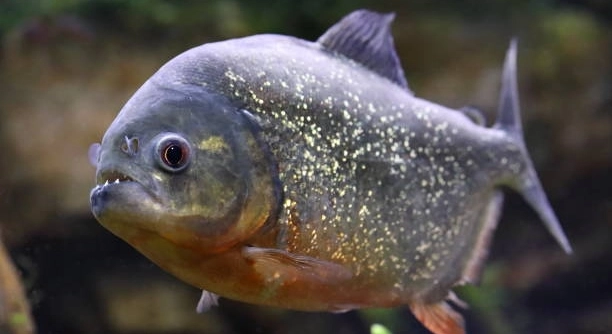
Piranhas are popular aquarium fish known for their sharp teeth and lively behavior. Setting up the right tank environment is important for their health and comfort. Understanding their preference for water flow helps create a better habitat.
Piranhas generally prefer slow to moderate flowing water rather than fast currents. In the wild, they inhabit rivers and floodplains where the water flow is steady but not rapid. Fast flowing water can cause stress and tire them unnecessarily in captivity.
Creating the ideal water flow in your tank ensures your piranhas stay healthy and active. This guide will help you design a setup that meets their natural needs.
Understanding Piranhas’ Natural Habitat
Piranhas live in South American rivers where water flow varies from slow-moving pools to moderate currents. These fish tend to stay in calmer areas with plenty of vegetation and hiding spots. Fast-flowing water is less common in their usual environment. In captivity, replicating these conditions is important. Strong currents can exhaust piranhas, making it difficult for them to swim properly or feed. They prefer water that moves enough to keep it oxygenated but not so much that it causes stress. Tank setups should include areas with gentle flow and calm zones where the fish can rest. Using filters that provide adjustable flow rates helps balance water movement. Also, adding plants or decorations can break the current, offering shelter and comfort. Matching these natural conditions encourages natural behavior, reduces stress, and promotes overall health for your piranhas.
Good water flow supports both oxygen levels and the fish’s well-being in the aquarium environment.
Careful flow control improves piranha activity and reduces health problems related to stress.
Setting Up the Tank Flow
Piranhas need a tank flow that mimics their natural habitat, which means moderate water movement with calm spots. Fast currents should be avoided. A good setup starts with a filter that allows you to adjust flow speed easily. Positioning the filter output where water disperses gently helps prevent strong currents. Using plants or large decorations also reduces the flow and gives your fish safe places to hide. This setup not only lowers stress but helps maintain clean water by circulating oxygen evenly. Avoid overcrowding the tank, as more fish can increase water turbulence. Keep an eye on how your piranhas respond to flow changes—if they seem tired or hide excessively, the current may be too strong. By providing varied flow zones, you create a more comfortable environment that supports natural swimming and feeding behavior.
Adjusting water flow is essential for balancing cleanliness and comfort in your piranha tank.
Choosing the Right Filter for Your Piranha Tank
Selecting the right filter is key to maintaining suitable water flow. A filter with adjustable flow settings is ideal. It allows you to control how much current your piranhas experience. Avoid filters that push water too forcefully.
Canister filters are a popular choice because they offer strong filtration with adjustable flow rates. Sponge filters work well for gentle circulation and provide extra biological filtration, which benefits water quality. When setting up, place the filter output to spread water evenly without creating a direct strong current. This helps keep oxygen levels balanced and prevents stress. Regular maintenance ensures the filter runs efficiently, avoiding clogging that could alter flow.
In larger tanks, combining filters can help create varied water movement, mimicking natural river conditions. Keep testing flow speed and observe your piranhas’ behavior. They should swim comfortably without fighting the current or hiding too much.
How Decorations Affect Water Flow
Decorations influence how water moves in the tank. Large rocks, driftwood, and plants break currents and create calm zones. These areas let piranhas rest without struggling against strong flow. Dense plants can trap slow-moving water, which piranhas enjoy for hiding and hunting.
Placing decorations strategically slows down fast currents and helps diversify swimming areas. Open spaces with gentle flow encourage active swimming, while sheltered spots reduce stress and offer security. Using natural-looking decor also simulates their environment, improving their comfort. Make sure to avoid overcrowding the tank, which can block water flow and reduce oxygen circulation. By balancing open areas with decoration clusters, you create a dynamic yet safe habitat for your piranhas. This approach promotes healthy behavior and supports their well-being in captivity.
Monitoring Water Flow Regularly
Regularly checking water flow helps keep your tank environment stable. Flow changes can occur from filter wear or buildup. Keeping an eye on flow ensures your piranhas remain comfortable and healthy.
Adjust flow as needed to match your fish’s behavior. If they seem stressed, slow the current. If water becomes stagnant, increase flow gently.
Signs of Stress from Fast Flowing Water
Piranhas stressed by fast currents may hide more often or become less active. They might also show signs of physical fatigue or difficulty swimming. Watch for these behaviors as indicators to adjust flow.
Adjusting Flow for Different Tank Sizes
Smaller tanks need gentler flow to prevent stress, while larger tanks can handle moderate currents. Tailoring flow to tank size improves water quality and fish comfort.
Using Plants to Help Control Flow
Live plants act as natural flow reducers. They create calm spots that piranhas use to rest and hide. Incorporate plants for both flow control and tank aesthetics.
FAQ
Do piranhas need fast-flowing water to thrive?
No, piranhas do not require fast-flowing water to thrive. They naturally live in rivers and floodplains with slow to moderate currents. In captivity, fast water flow can cause stress and tire them out. It’s best to provide a gentle, steady flow that mimics their natural habitat, allowing them to swim comfortably without fighting strong currents.
How can I create the right water flow in my piranha tank?
Start by using a filter with adjustable flow settings. Position the filter output to disperse water gently rather than in a strong stream. Adding plants and decorations can help break up the flow, creating calm areas. Regularly observe your fish to ensure they swim easily and rest comfortably. Adjust the flow as needed based on their behavior.
Can too little water movement harm piranhas?
Yes, stagnant water can lead to poor oxygen levels and unhealthy conditions. While piranhas prefer slower currents, some water movement is necessary to circulate oxygen and filter waste. A gentle flow ensures the tank stays clean and oxygenated, which is vital for their health.
What are the signs that water flow is too strong?
If piranhas hide excessively, appear tired, or struggle to swim, the current might be too strong. They may also avoid certain tank areas or show physical signs of fatigue. Adjusting the filter to reduce flow and adding more decorations for shelter usually helps.
Should I use live plants in a piranha tank?
Yes, live plants are beneficial. They naturally slow water flow and create hiding spots, reducing stress. Plants also improve water quality by absorbing nitrates. Choose hardy plants that can tolerate piranha activity, such as Amazon swords or Java ferns.
How often should I check the water flow?
Water flow should be checked weekly or after any tank maintenance. Filters can clog or wear down, affecting flow speed. Observing your fish’s behavior daily also helps spot changes early. Keeping flow consistent is important for stable tank conditions.
Can I use multiple filters to control flow?
Using multiple filters can help distribute water movement evenly, especially in larger tanks. This setup allows for varied flow zones, mimicking natural environments better. Just ensure the combined flow isn’t too strong and adjust each filter as needed.
What filter types work best for piranhas?
Canister filters and sponge filters are popular choices. Canister filters offer strong filtration with adjustable flow, while sponge filters provide gentle water movement and biological filtration. The choice depends on tank size and flow needs.
How do decorations affect water flow?
Decorations break currents and create calmer spots in the tank. Large rocks, driftwood, and plants slow down fast water, offering piranhas places to rest. Proper placement of decorations helps balance open swimming areas and sheltered zones.
Is it okay if piranhas avoid certain areas in the tank?
Yes, if those areas have stronger currents or less shelter. Piranhas naturally choose calmer spots to conserve energy. If they avoid large portions of the tank, consider adjusting flow or adding decorations to improve comfort.
How does tank size affect water flow needs?
Smaller tanks require gentler flow to prevent stress, while larger tanks can handle moderate currents. Larger tanks benefit from varied flow zones to replicate natural environments. Always tailor flow strength to your specific tank size and fish behavior.
Can fast water flow cause injury to piranhas?
Fast currents can cause physical stress but rarely direct injury. Prolonged exposure to strong flow can tire fish, weaken their immune systems, and increase vulnerability to disease. Avoid creating strong currents to keep them healthy.
Are there tools to measure water flow?
Yes, aquarium flow meters and water current sensors are available for precise measurement. These tools help maintain consistent flow rates. However, careful observation of fish behavior remains the best practical indicator of suitable water movement.
What should I do if my piranhas are stressed by water flow?
Reduce filter speed and add more decorations or plants to break the current. Create calm zones where piranhas can rest. Monitor their behavior and water quality closely until they adjust. Stress relief is crucial to prevent illness.
Does water temperature affect flow preferences?
Water temperature doesn’t directly change flow preferences, but warmer water holds less oxygen, making good circulation more important. Maintaining proper flow helps oxygenate warmer tanks, supporting piranhas’ health.
Can piranhas live without any water movement?
No, completely still water is harmful. It reduces oxygen levels and promotes waste buildup. Some flow is necessary to keep water clean and oxygen-rich. Aim for gentle movement rather than stillness to keep piranhas healthy.
How do I know if the filter is creating the right current?
Observe your fish’s swimming and resting habits. Comfortable, active swimming without excessive hiding is a good sign. If they struggle or avoid areas near the filter output, the current is likely too strong. Adjust filter settings accordingly.
What’s the best way to introduce changes to water flow?
Make gradual adjustments to avoid shocking your fish. Change filter speed slowly and rearrange decorations step by step. Watch how piranhas respond over several days before making further changes. This keeps them calm and healthy.
Is it better to have a constant flow or variable flow?
A mostly constant flow is best, with some variation created naturally by decorations. Sudden changes can stress fish. Consistency in water movement maintains tank stability and supports piranha well-being.
Can water flow affect piranhas’ feeding behavior?
Yes, strong currents can make feeding difficult as food may be swept away. Gentle flow helps food stay accessible and encourages natural hunting and scavenging behavior. Adjust flow to balance cleanliness and feeding ease.
This FAQ covers common concerns about piranhas and water flow, helping you create a healthier, more comfortable tank environment.
Final Thoughts
Creating the right environment for your piranhas is essential to keeping them healthy and stress-free. Water flow is one of the most important factors to consider when setting up their tank. While piranhas come from rivers with moving water, they do not need fast-flowing currents to thrive. In fact, strong currents can cause stress and make it hard for them to swim comfortably. A gentle and steady flow is best, mimicking the slower parts of their natural habitat. This balance helps maintain good water quality without overwhelming the fish.
Using a filter with adjustable flow allows you to control the speed of water movement in the tank. Positioning the filter to spread water evenly, rather than in a direct, strong stream, helps avoid creating fast currents. Adding live plants and decorations like driftwood or rocks is also helpful. These elements not only break up the flow but also give piranhas places to hide and rest. Plants improve water quality by absorbing harmful substances and create a more natural environment. Watching your fish regularly is important to notice signs of stress or discomfort caused by water flow, so you can adjust as needed.
Overall, paying attention to water flow and how your piranhas react can make a big difference in their well-being. Gentle currents encourage healthy swimming and natural behaviors, while too much flow can tire them out or cause hiding. Tank size, decorations, and filter choice all affect how water moves, so it’s important to customize the setup for your specific tank and fish. By maintaining stable and suitable water movement, you create a safer, more comfortable home for your piranhas that supports their long-term health.

Hello,
If you enjoy the content that we create, please consider saying a "Thank You!" by leaving a tip.
Every little bit helps us continue crafting quality advice that supports the health, happiness, and well-being of pets around the world, for pets of all shapes, sizes, and species.
We really appreciate the kindness and support that you show us!