
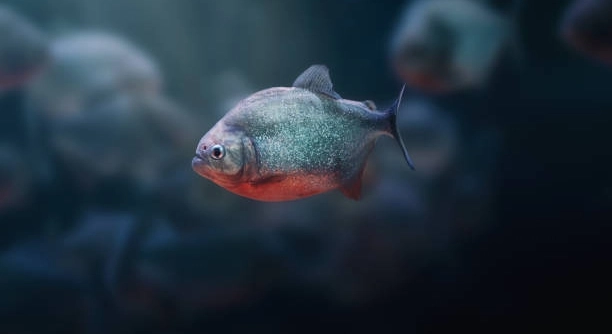
Are your piranhas showing unusual behavior or looking different lately? Many piranha owners notice signs that indicate their fish might be stressed without realizing it. Recognizing these signs early helps keep your pet healthy and comfortable.
Stress in piranhas is often indicated by changes in their activity, appetite, coloration, and behavior. Identifying these signs and addressing environmental or care-related issues promptly can prevent serious health problems and improve their overall well-being.
Knowing how to spot and fix stress in your piranha can make a big difference in their life. This article will guide you through the most common signs and practical ways to help your fish feel better.
Common Signs Your Piranha Is Stressed
Stress in piranhas can show up in different ways, and it’s important to watch closely. One sign is if your piranha starts hiding more than usual or becomes very inactive. Normally, piranhas are curious and swim actively, so sudden sluggishness can be a warning. Another sign is loss of appetite, which might mean something is wrong with the water quality or tank environment. Color changes are also common; a stressed piranha may look dull or pale compared to its usual bright colors. Erratic swimming or rubbing against tank surfaces can indicate irritation or discomfort. Lastly, if your piranha seems more aggressive or defensive, this could be a reaction to stress. Knowing these signs early helps you act fast and improve your piranha’s health before serious problems develop.
Watching your piranha carefully every day is key to catching stress signs early. Small changes often signal bigger issues that need attention.
Stress can affect your piranha’s immune system, making it more vulnerable to illness. Water quality is often the main issue, so regular checks for ammonia, nitrite, and nitrate levels are vital. Tank size matters too; overcrowding can cause tension. Ensure the tank has hiding places to reduce anxiety. Keeping water temperature stable between 75-80°F (24-27°C) helps, as sudden changes stress fish. Feeding a balanced diet with proper portions also supports health. If you notice stress signs, start by testing water and adjusting care routines. Sometimes a partial water change or adding plants can calm your piranha. If stress continues, consulting a vet with experience in fish can be helpful. Taking quick steps improves their comfort and prevents long-term harm.
How to Fix Stress in Your Piranha
Reducing stress means improving your piranha’s environment and care. Start by maintaining clean water with regular changes and testing.
Water quality directly affects your piranha’s health. Use a good filtration system and test the water weekly for harmful chemicals. Keep the tank temperature steady and avoid sudden changes. Adding plants or decorations creates hiding spots, which lower stress. Avoid overcrowding by not keeping too many fish in one tank. Feeding your piranha a varied diet with high-quality pellets and occasional live or frozen food supports its immune system. When handling the tank, move slowly to avoid startling your fish. If aggression occurs, separate fish to reduce tension. Regular monitoring and small adjustments help keep your piranha calm and healthy. By following these steps, you create a stable environment that prevents stress and supports your fish’s well-being over time.
Adjusting Tank Conditions to Reduce Stress
Keeping stable tank conditions is essential to reduce stress in piranhas. Sudden changes in water temperature or chemistry can upset them quickly.
Water temperature should stay consistent, ideally between 75 and 80°F (24-27°C). Use a reliable heater and thermometer to monitor this daily. Rapid temperature swings make piranhas uneasy and can lead to illness. Additionally, check pH levels regularly; piranhas prefer a slightly acidic to neutral pH, around 6.5 to 7.5. Avoid drastic shifts by doing partial water changes slowly, replacing only 20-30% at a time. This gradual approach helps maintain a steady environment. Keeping the tank clean is also important—remove uneaten food and waste to prevent harmful ammonia buildup. Consistent water quality supports your fish’s health and lowers stress.
Providing hiding spots and adequate space complements stable water conditions. Plants, rocks, and decorations help piranhas feel safe. Make sure the tank is large enough to avoid overcrowding, as cramped spaces increase stress and aggression among fish. A 30-gallon tank is a good starting point for a single piranha, with more space needed if you keep multiple fish. With the right setup, your piranha will be calmer and more active.
Feeding Habits and Stress Management
Proper feeding habits play a big role in managing piranha stress. Overfeeding or poor diet can cause health problems and make your fish uneasy.
Feed your piranha a balanced diet, including high-quality pellets formulated for carnivorous fish. Supplement this with live or frozen foods like bloodworms or small fish to mimic their natural diet. Avoid overfeeding by offering only what they can consume within a few minutes, once or twice a day. Excess food pollutes the water, causing stress and illness. Monitor your piranha’s appetite; reduced eating may indicate stress or health issues. Regular feeding routines help keep your fish comfortable. Mixing up food types also prevents boredom and encourages natural behavior, which reduces anxiety and keeps your piranha healthy in the long term.
Recognizing Changes in Behavior
Stress often causes noticeable changes in your piranha’s behavior. It may become more aggressive or unusually shy. These shifts can happen quickly or develop over time, signaling something is off in their environment.
Behavior changes like constant hiding, frantic swimming, or aggression toward tank mates often indicate stress. Paying attention to these actions helps you identify problems early and take action before health worsens.
Importance of Regular Tank Maintenance
Regular tank maintenance is key to preventing stress. Clean the tank weekly, remove debris, and check water parameters consistently. This keeps the environment safe and comfortable for your piranha, reducing stress and illness risks.
Avoid Overcrowding
Too many fish in a tank causes stress and aggression. Keep the number of piranhas appropriate for the tank size to ensure they have enough space and reduce tension.
FAQ
How do I know if my piranha is stressed?
Signs of stress in piranhas include hiding more than usual, loss of appetite, changes in color, erratic swimming, and increased aggression. If your fish suddenly acts different from normal, it’s likely stressed. Watching daily behavior helps catch problems early and keep your piranha healthy.
What causes stress in piranhas?
Stress usually comes from poor water quality, sudden temperature changes, overcrowding, lack of hiding spaces, or improper diet. Any drastic change in their environment can upset piranhas quickly. Keeping stable tank conditions and proper care prevents many common stress triggers.
How often should I change my piranha’s water?
Regular partial water changes, about 20-30% weekly, are best. This keeps toxins low and water clean without shocking your fish. Avoid complete water changes, which can cause stress by changing water chemistry too quickly.
Can temperature changes really stress my piranha?
Yes, piranhas are sensitive to sudden shifts in temperature. Keep water between 75-80°F (24-27°C) and use a reliable heater and thermometer. Avoid placing the tank near windows or vents where temperature fluctuates.
What should I feed my piranha to reduce stress?
Feed a balanced diet with high-quality carnivorous fish pellets and occasional live or frozen foods like bloodworms or small fish. Avoid overfeeding, as leftover food pollutes water and stresses your fish. Stick to feeding once or twice daily, only what they eat in a few minutes.
How can I reduce aggression caused by stress?
Provide plenty of space and hiding spots to reduce tension. Avoid overcrowding and separate overly aggressive fish if needed. Stable water conditions and regular feeding routines also help calm your piranha’s behavior.
Is it normal for piranhas to change color when stressed?
Yes, stressed piranhas may lose their vibrant color and look dull or pale. Color changes often indicate poor water quality or illness, so check water parameters and tank conditions immediately.
Can stress lead to illness in piranhas?
Stress weakens the immune system, making piranhas more prone to infections like fin rot or parasites. Keeping stress low through good care reduces the risk of disease and supports long-term health.
Are hiding places important for stress relief?
Absolutely. Plants, rocks, and decorations create safe spots where piranhas feel secure. These help lower anxiety and prevent aggressive encounters, improving your fish’s overall well-being.
What should I do if my piranha continues to show stress signs?
First, review water quality, tank size, and diet. Make necessary improvements slowly to avoid further stress. If signs persist, consult a veterinarian with experience in fish to check for illness or other underlying issues.
Taking care of a piranha involves more than just feeding and cleaning the tank. Recognizing when your piranha is stressed is an important part of responsible pet care. Stress can affect their health quickly and lead to illness or behavior changes. By paying close attention to signs like changes in activity, appetite, color, or aggression, you can spot problems early. This helps you make small adjustments that keep your fish comfortable and healthy.
Maintaining a stable environment is key to reducing stress. This means keeping the water clean, at the right temperature, and free from harmful chemicals. Regular partial water changes and proper filtration support good water quality. Providing enough space and hiding places also helps your piranha feel secure. Feeding a balanced diet and avoiding overfeeding prevents water pollution and keeps your fish well-nourished. All these factors work together to create a peaceful home for your piranha.
If your piranha shows signs of stress, act quickly but calmly. Avoid sudden changes that could upset them more. Instead, test your water, adjust the temperature gradually, and improve tank conditions step by step. Sometimes stress is caused by something simple, like overcrowding or lack of hiding spots. In more serious cases, consulting a vet who knows about fish can help find solutions. Overall, staying attentive and consistent in care will help your piranha thrive and live a healthy life.

Hello,
If you enjoy the content that we create, please consider saying a "Thank You!" by leaving a tip.
Every little bit helps us continue crafting quality advice that supports the health, happiness, and well-being of pets around the world, for pets of all shapes, sizes, and species.
We really appreciate the kindness and support that you show us!