
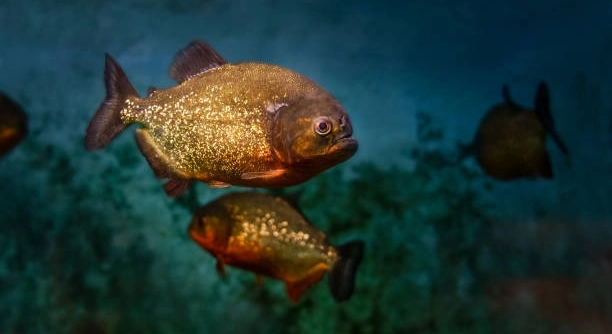
Have you ever thought about the best tank shape for piranha fish? Many aquarists want their piranhas to live comfortably and thrive in their home tanks. Choosing the right tank can make a big difference in their behavior and health.
Piranha fish generally prefer long tanks over tall ones because they offer more horizontal swimming space. This setup supports their natural schooling behavior and reduces stress, making it easier to maintain a healthy environment for the fish.
Understanding tank preferences helps create a better habitat for your piranhas. This article will guide you through tested setup tips to optimize your aquarium and keep your fish happy.
Why Tank Shape Matters for Piranhas
The shape of the tank affects how piranhas swim and interact. Piranhas are active fish that like to swim side to side in groups. A long tank provides more horizontal space, allowing them to move naturally without feeling cramped. Tall tanks offer less swimming room and can make the fish feel stressed. Stress in piranhas can lead to aggression and poor health. Besides swimming space, a long tank also helps with better water circulation, which is important for keeping the tank clean and oxygen-rich. This reduces the risk of diseases. When choosing a tank, think about how your fish will spend most of their time. Piranhas rarely swim vertically for long periods, so height isn’t as important. A longer tank better supports their behavior and needs, creating a more balanced and calm environment. This simple choice makes a noticeable difference in their well-being.
A tank’s length is more important than its height for the comfort and natural behavior of piranha fish.
Creating a comfortable space for piranhas involves more than just size. Decorations, hiding spots, and plants also contribute to a stress-free environment. Long tanks allow you to add these features without crowding the swimming area. Giving piranhas enough room to swim and hide makes them less aggressive and healthier overall.
Setting Up Your Piranha Tank
When setting up a piranha tank, start with a long aquarium of at least 40 gallons for a small group. The length should be at least twice the height to give them ample swimming room. Choose a sturdy tank with a secure lid, as piranhas can be strong and active.
Fill the tank with clean, fresh water, maintaining a temperature between 74°F and 82°F. Use a good filter to keep the water clear, as piranhas produce a fair amount of waste. Regular water changes help maintain water quality, which is essential for their health. Add some smooth rocks and driftwood to provide hiding spots and reduce stress. Live plants can be added but choose hardy types, as piranhas might nibble on them. Keep lighting moderate to mimic their natural environment and avoid overly bright conditions. This setup creates a balanced habitat that supports healthy and active piranhas.
Tank Dimensions That Work Best
A good size for a piranha tank is at least 40 gallons with a length of about 36 inches. This length gives piranhas enough space to swim comfortably and interact naturally.
The height should be moderate, around 18 to 20 inches, but the key is the length. Too tall and narrow tanks limit horizontal swimming, which piranhas need for their schooling behavior. The width should allow the fish to turn easily and avoid feeling trapped. If the tank is too small or too tall, piranhas may become stressed or aggressive.
Choosing the right dimensions supports their physical health and social behavior. Long tanks allow them to spread out and avoid fights. It also helps maintain better water quality because filtration and circulation work more effectively in wider, longer tanks.
Additional Tips for a Healthy Piranha Environment
Keep the water clean with strong filtration and regular changes. Piranhas produce waste quickly, so water quality is crucial.
Decorate the tank with hiding places like driftwood and smooth rocks to reduce stress. Avoid overcrowding the tank with decorations, as piranhas need swimming space. Use dim lighting and sturdy plants, since piranhas may nibble on or uproot them. Keep the temperature stable between 74°F and 82°F. Monitor water parameters often, including pH and ammonia levels, to ensure a healthy habitat. Maintaining these conditions creates a balanced environment that helps your piranhas thrive, showing more natural and calm behavior.
Long Tanks Support Schooling
Piranhas naturally swim in groups, so a long tank gives them space to school properly. This reduces aggression and stress.
When piranhas can swim side by side, they feel safer. Long tanks mimic their natural river environments better than tall tanks do.
Choosing the Right Tank Material
Glass tanks are common and durable, providing clear views and good insulation. Acrylic tanks are lighter and more impact-resistant but can scratch easily. Both materials work well for piranha tanks if cleaned regularly and cared for properly.
Avoid Tall Narrow Tanks
Tall, narrow tanks limit horizontal swimming and can cause stress. They don’t provide enough space for piranhas to school effectively, which may lead to aggressive behavior and poor health.
FAQ
How long should my piranha tank be?
The ideal length for a piranha tank is at least 36 inches for a small group. This length gives them enough horizontal space to swim freely and school naturally. Longer tanks help reduce aggression by allowing fish to spread out.
Can I keep piranhas in a tall tank?
Tall tanks are not recommended because they restrict horizontal swimming. Piranhas prefer wide, long tanks where they can move side to side easily. Tall tanks can cause stress and lead to aggressive behavior.
What is the minimum tank size for piranhas?
For a small group of 3 to 4 piranhas, a minimum of 40 gallons is needed. Larger groups require bigger tanks to provide enough space for each fish and maintain good water quality.
Do piranhas need decorations in their tank?
Yes, piranhas benefit from hiding spots like driftwood and smooth rocks. These provide shelter and reduce stress. However, avoid overcrowding the tank with decorations so they still have plenty of room to swim.
How important is water filtration for piranhas?
Filtration is very important because piranhas produce a lot of waste. A strong filter helps keep the water clean and oxygenated. Regular water changes also support healthy water conditions.
What water temperature is best for piranhas?
Keep the tank temperature between 74°F and 82°F. This range matches their natural environment and helps maintain their health and activity levels.
Can I keep plants in a piranha tank?
Yes, but choose hardy plants since piranhas may nibble or uproot softer ones. Plants like Java fern or Anubias are good options that can tolerate this kind of environment.
How often should I change the water in my piranha tank?
Change about 25% of the water every week to maintain good water quality. Frequent partial water changes help reduce toxins and keep your piranhas healthy.
Is tank width important for piranhas?
Yes, width matters because piranhas need enough room to turn and swim comfortably. A narrow tank limits their movement, increasing stress and potential aggression.
Can piranhas live alone?
Piranhas are schooling fish and prefer to live in groups. Keeping just one can cause stress and behavioral issues. A group of at least three is recommended to keep them balanced and healthy.
Are there specific tank lids needed for piranhas?
Yes, piranhas are strong and active, so a secure lid is necessary to prevent escapes. The lid should fit tightly and be sturdy enough to handle their activity.
What pH level do piranhas prefer?
Piranhas thrive in slightly acidic to neutral water, with a pH between 6.5 and 7.5. Keeping the pH stable is important to avoid stress and health problems.
How do I reduce aggression in a piranha tank?
Providing enough space, hiding spots, and keeping a proper group size helps reduce aggression. Avoid overcrowding and maintain good water quality, as stress increases aggressive behavior.
Can piranhas live in community tanks with other fish?
Piranhas are aggressive and may attack other fish, so they usually do best in species-only tanks. If you want to keep them with others, choose large, robust fish and monitor closely.
What should I feed my piranhas?
Piranhas are carnivores and need a diet rich in protein. Feed them a mix of pellets, frozen or live foods like shrimp, and occasional fresh fish. Avoid overfeeding to keep water quality good.
Choosing the right tank for piranhas is important for their well-being. Long tanks are better because they give piranhas the space they need to swim side by side, which matches their natural behavior. Tall tanks limit their movement and can cause stress, leading to more aggressive actions and health problems. Keeping the tank at least 36 inches long and around 40 gallons in size is a good starting point for a small group. This setup supports both their physical needs and social behavior, helping the fish stay calm and healthy.
Besides the tank size and shape, other factors also play a role in creating a good home for piranhas. Water quality is very important because these fish produce a lot of waste. Using a strong filter and changing about 25% of the water weekly will help keep the water clean and safe. Decorations like driftwood and smooth rocks give piranhas places to hide and feel safe, reducing stress. However, it is best not to overcrowd the tank with too many decorations because piranhas still need plenty of open swimming space. Adding hardy plants can improve the environment, but choose types that can withstand being nibbled or moved around.
Taking care of piranhas means paying attention to their tank’s environment and meeting their basic needs. Providing a long, wide tank with stable temperature and good water quality helps piranhas thrive. Remember that they are schooling fish and do best in groups, so plan the tank size accordingly. By setting up a proper tank and keeping it well maintained, you help ensure your piranhas live healthy and show their natural behaviors. This makes the aquarium more enjoyable for both the fish and the person caring for them.

Hello,
If you enjoy the content that we create, please consider saying a "Thank You!" by leaving a tip.
Every little bit helps us continue crafting quality advice that supports the health, happiness, and well-being of pets around the world, for pets of all shapes, sizes, and species.
We really appreciate the kindness and support that you show us!