
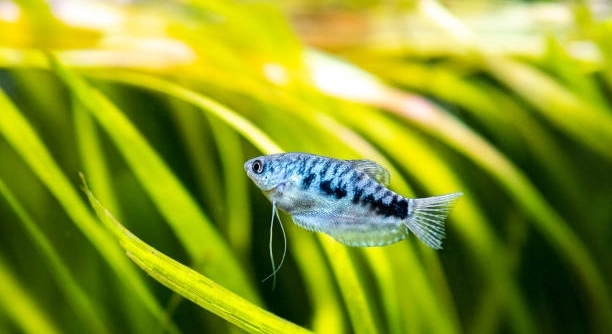
Gouramis are small freshwater fish known for their interesting social behaviors. In their groups, they often test dominance to establish hierarchy. These signals help maintain peace and order among them in their shared environment.
Gouramis use seven specific signals to test dominance, including fin displays, color changes, and body postures. These signals communicate strength and intent without resorting to constant physical fights, allowing the fish to assert control efficiently and reduce injury.
Recognizing these signals can improve understanding of gourami behavior and help keep their environment balanced and peaceful.
Fin Flaring and Expansion
When gouramis feel the need to show dominance, one of their first signals is fin flaring. This means they spread their fins wide, making themselves look larger and more intimidating. The dorsal and pectoral fins are usually the most noticeable during this display. By expanding their fins, gouramis send a clear message to others nearby that they are confident and ready to defend their place. This behavior often happens before any physical confrontation, serving as a warning. Watching these displays can help you understand when a gourami is feeling territorial or challenged. It’s a natural way for them to avoid unnecessary fights while still asserting dominance. These fin movements are subtle but effective, and they usually happen quickly. If you notice frequent fin flaring, it might be a sign of tension in the tank that could need your attention.
Fin flaring is a clear, visual way gouramis communicate their status in the group.
This fin expansion is crucial because it helps maintain order without causing harm. When a gourami flares its fins, it makes itself look bigger, which can discourage challengers from attacking. This saves energy and prevents injury. Over time, other fish learn to respect these signals, reducing conflicts. In tanks with multiple gouramis, fin flaring is a constant dance of balance. If ignored, the dominant fish may become overly aggressive. Understanding this behavior can help in managing the social dynamics in your aquarium, ensuring a peaceful environment for all fish.
Color Changes During Displays
Gouramis also change color when testing dominance. The dominant fish often show brighter, more vivid colors compared to the others. These color shifts are temporary but powerful signals. The bright colors make the dominant fish stand out and appear stronger. This helps avoid fights because other gouramis recognize who is in charge. Color changes are often paired with other behaviors, such as fin flaring or specific body postures. Watching these shifts can tell you a lot about the current social hierarchy in your tank. It is common for gouramis to show these color changes during feeding times or when new fish are introduced. Understanding these visual cues allows better care and helps reduce stress in your aquarium. Paying attention to this can improve how you manage your fish’s environment and relationships.
Body Posture and Movement
Gouramis use body posture to show dominance by holding themselves upright and swimming confidently. A dominant fish will often glide smoothly and with purpose, while submissive ones may stay lower or hide.
The dominant gourami often holds its body rigid and tilts slightly forward, showing readiness to act if challenged. This posture signals strength without aggression. Movement is also important—dominant fish tend to patrol their territory, making deliberate, slow movements that display control. Submissive fish avoid eye contact and swim away or keep a low profile to prevent conflicts. These body language cues help gouramis maintain a peaceful balance in their group. By observing these patterns, you can tell who leads and who follows in your tank.
In interactions, body posture is combined with other signals like fin flaring or color changes. Dominant gouramis often use slow, deliberate movements to emphasize control. Quick, jerky motions usually come from stressed or submissive fish. Over time, fish learn to respect these signals to avoid fights. Noticing how your gouramis move and hold themselves can help you spot tension early and maintain harmony.
Bubble Nest Building
Bubble nest building is a key dominance behavior among male gouramis. The dominant male creates a nest of bubbles on the water surface to attract females and show control of territory.
The size and quality of the bubble nest often reflect the male’s status. A strong, healthy male builds large, well-structured nests, signaling fitness and dominance. This activity also serves as a warning to other males to stay away from his chosen area. During nest building, dominant males become more territorial and aggressive toward rivals. Submissive males usually avoid the nest area to prevent confrontation. Watching nest building can reveal a lot about the social structure in your aquarium. It also helps understand breeding readiness and territorial boundaries.
Gill Cover Flaring
Gouramis flare their gill covers to appear larger and more threatening. This is a quick way to warn others without physical contact. It often happens during close encounters or disputes over territory.
This behavior is usually paired with other signals like fin flaring. The wider the gill cover flare, the stronger the message. It’s a clear sign of dominance or challenge in the tank.
Head Bobbing
Head bobbing is a repetitive up-and-down movement used by gouramis to assert control. This gesture draws attention and signals readiness to defend their space. It is common during tense interactions or when rivals approach too closely.
Tail Beating
Tail beating is a rapid flicking of the tail used to intimidate others. This aggressive signal helps warn rivals to back off without direct fighting. It’s a fast and effective way to maintain dominance in tight spaces.
Eye Contact
Direct eye contact is a strong dominance signal. Gouramis that hold steady eye contact are showing confidence and control, making rivals think twice before challenging. Avoiding eye contact usually means submission or fear.
How do gouramis use fin flaring to show dominance?
Fin flaring is one of the clearest signs of dominance among gouramis. When a fish spreads its fins wide, especially the dorsal and pectoral fins, it makes itself appear larger and more threatening. This visual display warns other gouramis to back off without needing to fight. It’s often the first step in dominance disputes and helps reduce physical conflict in the tank. Watching fin flaring gives you insight into the social hierarchy and tension levels among your fish.
Why do gouramis change color during dominance displays?
Color changes in gouramis are temporary but meaningful. The dominant fish often shows brighter or more intense colors, which signal strength and health. These vibrant hues catch the attention of other gouramis, helping them recognize who is in charge. Color shifts usually occur alongside other behaviors like fin flaring or specific body postures. These visual cues help avoid fights by clearly communicating status in the group.
What role does body posture play in gourami dominance?
Body posture communicates a lot about a gourami’s status. Dominant fish hold themselves upright with a firm, confident stance, often swimming with smooth, deliberate movements. In contrast, submissive gouramis stay lower in the tank or move quickly to avoid confrontation. Posture combined with fin displays and color changes forms a complete set of signals that keep the group’s social structure balanced.
How does bubble nest building relate to dominance?
Bubble nest building is mostly done by dominant male gouramis to show fitness and control over territory. The size and quality of the nest indicate the male’s strength and readiness to breed. Rival males respect these nests and often avoid the area to prevent conflict. This behavior also helps attract females, making the nest a symbol of dominance and reproductive success.
What does gill cover flaring indicate?
Flaring the gill covers makes a gourami appear bigger and more aggressive. This quick action is used when two fish get close or when a gourami wants to defend its space. It’s a warning sign meant to intimidate rivals without physical fighting. The wider the flare, the stronger the signal.
Why do gouramis bob their heads?
Head bobbing is a repetitive up-and-down movement used to assert control or challenge another fish. It draws attention and signals readiness to defend territory. This behavior is common during tense moments or when an intruder comes too close. It’s part of the complex body language gouramis use to avoid fights.
What does tail beating mean in gouramis?
Tail beating is an aggressive action where the fish flicks its tail rapidly. This behavior warns other gouramis to keep their distance. It’s a fast, effective way to maintain dominance without engaging in a full fight. Tail beating usually happens in confined spaces where threats feel more immediate.
How important is eye contact in gourami dominance?
Eye contact shows confidence and control. Gouramis that hold steady eye contact with rivals are sending a clear message that they are dominant and ready to defend their position. Fish that avoid eye contact usually show submission or fear. This silent communication helps maintain order in the tank without violence.
Can dominance signals cause stress in gouramis?
Yes, frequent dominance displays can increase stress, especially in small or overcrowded tanks. Continuous fin flaring, color changes, or aggressive behaviors can tire out fish and affect their health. Providing enough space, hiding spots, and balanced groups helps reduce stress and keep gouramis happy.
How can I manage gourami dominance in my aquarium?
Observe your gouramis regularly to spot signs of excessive aggression. Ensure the tank is large enough with plenty of plants and hiding places. Separating overly aggressive fish or introducing tank mates that balance the social dynamics can help. Maintaining good water quality and feeding well also supports healthier interactions.
Do female gouramis show dominance signals?
Female gouramis can show dominance, but it’s usually less intense than males. They might flare fins or change color slightly, but males are generally more active in dominance displays, especially during breeding or territory defense.
How long do dominance displays last?
Dominance signals usually happen in short bursts—seconds to a few minutes. Most conflicts are resolved quickly through visual signals without physical fighting. However, in crowded tanks, frequent displays can occur, so monitoring your fish is important to prevent stress.
What happens if two gouramis are equally dominant?
When two gouramis are equally matched, dominance disputes may last longer or escalate to chasing and mild fights. Usually, one fish eventually yields after repeated signals. In some cases, persistent fighting may require separating the fish to prevent injury.
Are dominance signals the same in all gourami species?
While many gourami species share similar dominance behaviors, specific signals can vary. Some species might flare fins more dramatically or build more elaborate bubble nests. Understanding your gourami species’ typical behavior helps in recognizing and managing dominance more effectively.
Can young gouramis show dominance?
Yes, even young gouramis practice dominance behaviors as they grow. Early fin flaring, color changes, and body postures help establish their place in the social hierarchy before maturity. Providing space and hiding spots for juveniles can reduce conflicts during this period.
How do dominance signals affect breeding?
Dominance signals play a big role in breeding success. Dominant males build bubble nests and display bright colors to attract females. Females often choose mates based on these signals, linking social status with reproductive advantage. Monitoring these behaviors can help in breeding efforts and tank management.
Understanding how gouramis test dominance is important for anyone who keeps these fish. Their behaviors, like fin flaring, color changes, and body postures, are ways they communicate without hurting each other. These signals help them decide who leads and who follows in their group. By watching closely, you can learn a lot about their relationships and how they interact. This knowledge makes it easier to manage your aquarium and keep your gouramis healthy and calm.
It’s normal for gouramis to show these dominance signals. They are part of their natural behavior to keep order and reduce fights. However, if you see too much aggression or stress, it might be a sign that the tank is too small or crowded. Providing enough space, hiding spots, and clean water helps gouramis feel safe and lowers tension. Also, separating overly aggressive fish can prevent injuries and keep peace. Paying attention to these details supports a balanced environment where all fish can thrive.
Remember, gouramis are social creatures who use many subtle signs to communicate. Dominance testing is not just about fighting but about setting clear boundaries and avoiding unnecessary conflict. Being aware of their signals helps you create a better home for your fish. When you recognize their behaviors, you can act in ways that support their natural needs and promote a peaceful tank. This improves their well-being and makes watching your gouramis even more rewarding.

Hello,
If you enjoy the content that we create, please consider saying a "Thank You!" by leaving a tip.
Every little bit helps us continue crafting quality advice that supports the health, happiness, and well-being of pets around the world, for pets of all shapes, sizes, and species.
We really appreciate the kindness and support that you show us!