
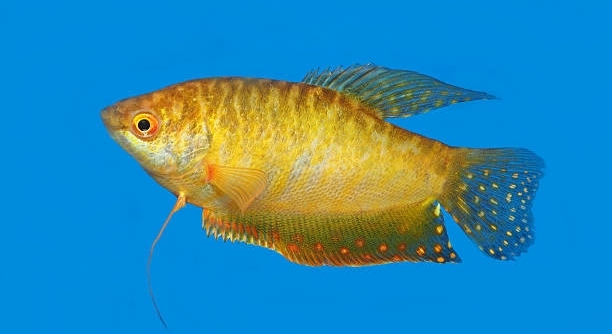
Gouramis are popular aquarium fish known for their calm nature. Observing their behavior can help owners understand when they feel relaxed. Soft movements are subtle signals that indicate a gourami is comfortable in its environment.
Soft movements such as gentle fin flicks, slow swimming, subtle body sways, and smooth breathing indicate relaxation in gouramis. These behaviors reflect low stress levels and a healthy state, contributing to overall well-being in captive aquatic conditions.
Recognizing these gentle signs can improve your connection with your gourami and promote a more peaceful aquarium atmosphere. Understanding their behavior is essential for their care and happiness.
Gentle Fin Flicks and Their Meaning
Gouramis often move their fins softly when they feel relaxed. These gentle fin flicks are subtle and slow, unlike the quick or erratic fin movements seen when they are stressed or frightened. The flicks help them adjust their position in the water without sudden movements that could signal danger. Watching these delicate motions closely can reveal a lot about their mood. When you see a gourami flicking its fins lightly near the surface or around plants, it usually means the fish is calm and at ease. This behavior is common in a well-maintained tank with stable water conditions. Soft fin movements also show that the fish is not trying to escape or hide but is comfortable in its surroundings. In general, consistent gentle flicks indicate a peaceful and content gourami.
Soft fin flicks are a clear sign of relaxation and contentment in gouramis.
These slow, steady fin movements contrast sharply with rapid fin flicks, which often indicate stress or agitation. Observing this behavior helps maintain a healthy aquarium environment.
Slow, Smooth Swimming Patterns
When gouramis swim in slow, smooth motions, it signals a relaxed state. Unlike fast or darting swims caused by fear or irritation, slow swimming indicates the fish feels secure. This behavior shows the gourami is exploring its space calmly, without threats. Slow swimming often happens near plants, decorations, or the tank bottom, where the gourami feels safe. It helps conserve energy while staying alert to the environment. This movement style also supports better breathing and digestion, as the fish is not exerting itself. Tank conditions such as proper temperature, clean water, and suitable tank mates encourage this behavior. When gouramis swim smoothly, it suggests they trust their habitat and do not feel pressured to hide or escape. Monitoring these swimming patterns can help detect changes in their health or environment early on. Maintaining a peaceful tank promotes such calm activity consistently.
Subtle Body Sways
Subtle body sways in gouramis show relaxation. These gentle side-to-side movements are slow and smooth. They indicate the fish is comfortable and not stressed.
Body swaying is a natural motion that helps gouramis maintain balance in the water. When a gourami gently sways, it is usually adjusting to water currents or simply relaxing in its environment. This behavior often happens when the fish is resting near plants or decorations. Unlike rapid, jerky movements, slow body sways show the fish feels safe and calm. Such movements also help the fish stay alert without using too much energy. Regular observation of these motions provides insight into the gourami’s comfort level.
Sometimes, body swaying occurs during breathing. The fish moves smoothly to allow oxygen exchange while remaining still. This calm rhythm helps reduce stress and promotes a healthy mood. When swaying is consistent and soft, it is a positive sign of contentment.
Smooth Breathing Movements
Smooth breathing in gouramis appears as slow, regular opening and closing of the gill covers. This steady rhythm shows the fish is relaxed and unstressed.
Relaxed gouramis breathe calmly, without rapid or heavy gill movements. Steady breathing means the fish is in a well-oxygenated environment and feels secure. If the water quality is good and tank conditions are stable, gouramis exhibit this peaceful breathing pattern. Slow breathing helps the fish conserve energy and supports overall health. When breathing appears smooth, it also suggests that the gourami is not experiencing any discomfort or illness. Monitoring breathing is important because changes can indicate stress or water problems. A calm breathing pattern contributes to the fish’s relaxed behavior and wellbeing.
Relaxed Tail Movements
Relaxed gouramis move their tails slowly and gently. These movements help maintain balance and show the fish feels calm.
Tail movements that are smooth and steady differ from quick, sharp flicks, which often signal agitation or alarm.
Soft Interaction with Tankmates
When gouramis interact softly with other fish, it shows comfort and social ease. They avoid aggressive chasing or sudden movements. Instead, their gentle nudges or close swimming indicate trust and relaxation within their environment. This behavior promotes harmony in a community tank, reducing stress for all inhabitants.
Resting Near Plants
Gouramis often rest near plants when feeling secure. This behavior helps them feel hidden and protected.
Minimal Splashing or Surface Disturbance
Calm gouramis rarely disturb the water surface. They avoid splashing, which indicates a peaceful mood.
FAQ
How can I tell if my gourami is truly relaxed?
Relaxation in gouramis is shown through gentle, slow movements like soft fin flicks, smooth swimming, and subtle body sways. Calm breathing and minimal tail flicks also indicate they feel secure. When gouramis avoid sudden darting or hiding and interact softly with tankmates, they are likely comfortable.
Why does my gourami sometimes sway its body gently?
Gentle body swaying helps gouramis maintain balance in water currents. It’s a normal, relaxed movement that shows the fish is adjusting calmly to its environment. This slow motion often happens near resting spots like plants, signaling contentment rather than stress.
What does slow, steady breathing mean for my gourami?
Slow, steady breathing means your gourami is not stressed and the tank conditions are good. Calm breathing indicates sufficient oxygen levels and a comfortable environment. Rapid or heavy breathing could suggest water quality issues or illness, so steady breathing is a positive sign.
Is it normal for gouramis to move their tails slowly?
Yes, slow and gentle tail movements help maintain balance and propulsion without wasting energy. Quick or sharp tail flicks may indicate fear or irritation. Observing tail movement patterns can help you understand your gourami’s mood and wellbeing.
How should gouramis behave around other fish?
Relaxed gouramis interact softly with other tankmates, avoiding chasing or aggressive behaviors. Gentle swimming close to others or light nudges show social ease. Stressful or aggressive interactions mean the environment or social dynamics might need adjustment.
Why does my gourami rest near plants?
Resting near plants provides gouramis with a sense of security and shelter. This behavior helps them feel hidden and safe, reducing stress. Plants also create natural boundaries and comfortable resting spots in the tank.
What does it mean if my gourami disturbs the water surface?
Minimal surface disturbance or splashing usually means calm behavior. Excessive splashing could be a sign of stress, poor water quality, or an attempt to breathe air in low-oxygen conditions. Calm gouramis keep surface movement gentle and controlled.
Can I encourage my gourami to be more relaxed?
Maintaining stable water parameters, providing plenty of plants and hiding spots, and avoiding sudden loud noises or tank disturbances help gouramis feel secure. Keeping compatible tankmates and feeding a proper diet also supports relaxed behavior.
What should I do if my gourami shows signs of stress?
If your gourami displays fast, erratic movements, rapid breathing, or aggression, check water quality immediately. Perform water tests and changes if needed. Also, review tank mates and environment to reduce stressors. Sometimes, isolation or extra hiding places help the fish calm down.
How important is observing soft movements in daily care?
Watching soft movements daily helps you spot early signs of stress or illness. Regular observation lets you react quickly to changes in behavior or environment, keeping your gourami healthy and relaxed over time. This practice improves your ability to meet your fish’s needs consistently.
Final thoughts on understanding gourami behavior are important for anyone caring for these fish. Recognizing the subtle signs of relaxation helps ensure their well-being. Observing soft movements such as gentle fin flicks, slow swimming, and smooth breathing gives insight into how comfortable a gourami feels in its environment. These behaviors show that the fish is calm and stress-free, which is essential for maintaining health and preventing illness. When gouramis display these relaxed movements regularly, it indicates that the tank conditions are suitable and the fish is adapting well.
Creating a peaceful habitat plays a crucial role in encouraging relaxed behavior. Stable water quality, proper temperature, and appropriate tank mates all contribute to a calm atmosphere for gouramis. Providing plenty of plants and hiding places allows the fish to rest and feel secure. When these conditions are met, gouramis are more likely to show soft, natural movements instead of signs of stress. Regular monitoring of their behavior can help detect problems early, allowing for timely intervention before serious health issues develop. This attention to detail promotes long-term happiness and vitality in the aquarium.
In conclusion, paying close attention to the subtle body language of gouramis is essential for their care. Soft movements are clear indicators of relaxation and contentment, helping owners understand when their fish are comfortable. Maintaining a balanced environment supports these behaviors and reduces stress. By observing these signs regularly, caretakers can ensure their gouramis remain healthy and peaceful. This knowledge fosters a better connection between owner and fish and enhances the overall aquarium experience.

Hello,
If you enjoy the content that we create, please consider saying a "Thank You!" by leaving a tip.
Every little bit helps us continue crafting quality advice that supports the health, happiness, and well-being of pets around the world, for pets of all shapes, sizes, and species.
We really appreciate the kindness and support that you show us!