
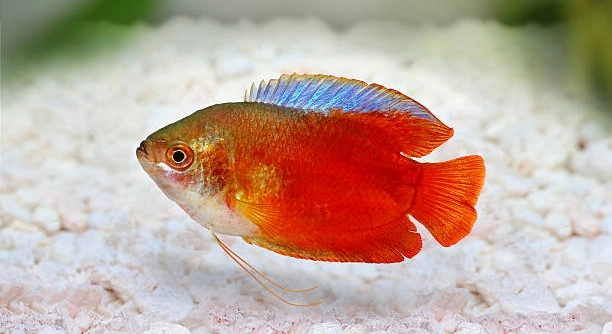
Gouramis are popular freshwater fish known for their vibrant colors and interesting behaviors. Observing their moods can help ensure they are healthy and comfortable in their environment. Recognizing their nonverbal cues is useful for any fish enthusiast or caretaker.
Nonverbal indicators of gourami mood include changes in body color, fin positioning, swimming patterns, bubble nest building, gill movement, body posture, and interaction with other fish. These signals collectively provide insight into their emotional and physical state.
Understanding these signs can improve how you care for your gouramis and foster a better connection with them in your aquarium. Recognizing mood changes early supports their well-being and creates a more harmonious environment.
Changes in Body Color
Gouramis often change their body color to reflect their mood. When they are stressed or frightened, their colors may become dull or pale. Conversely, a vibrant and bright coloration usually indicates that the fish is healthy and comfortable. This change happens because gouramis use color to communicate with others and adapt to their environment. For example, during mating or territorial displays, their colors may intensify. Observing these color shifts regularly helps in identifying if the gourami is feeling threatened, sick, or relaxed. Paying attention to subtle differences in shade can provide clues about their well-being and mood without disturbing them. If the fish remains pale for an extended time, it might be a sign that something in their environment needs adjustment. Proper lighting, water quality, and tank mates influence their appearance and comfort. Maintaining a calm environment encourages natural, healthy coloring and behavior.
Color changes serve as a primary mood indicator and are often the first sign something has shifted in the gourami’s surroundings.
These color shifts are a straightforward way to monitor your gourami’s state. When the fish shows dull colors, checking water parameters or tank conditions immediately can prevent health issues. Bright colors mean the fish is likely content and well-adjusted. Understanding these visual signals allows for timely interventions and better care. Consistent observation supports a healthy aquarium and promotes natural behavior patterns.
Fin Positioning
Fin position in gouramis changes according to their emotional state. Relaxed fish usually have their fins gently spread out, while stressed or defensive gouramis keep their fins close to their bodies. A flared dorsal fin can indicate aggression or territorial behavior. Observing fin movements helps determine whether your gourami is calm or uneasy.
Fin positioning is a clear and quick signal of mood, reflecting comfort or distress in various situations.
Monitoring fin position provides insight into how your gourami reacts to tank mates and environmental changes. When fins are folded tightly, it may indicate stress or illness, signaling a need for further inspection of water quality and tank conditions. Aggressive displays often involve raised fins to appear larger, especially if new fish are introduced or if space feels limited. Knowing these signs helps manage tank dynamics effectively, ensuring a peaceful environment. Adjustments such as rearranging decorations or separating incompatible fish can reduce tension. Keeping an eye on fin posture supports early problem detection and promotes your gourami’s well-being.
Swimming Patterns
Gouramis change their swimming patterns based on how they feel. Slow, smooth movements usually mean they are calm. Rapid or erratic swimming can indicate stress or discomfort. Watching how your gourami moves helps you understand its mood quickly.
When a gourami swims slowly and steadily, it is likely relaxed and confident in its environment. Erratic movements, such as darting around or frequent hiding, suggest anxiety or fear. Changes in swimming can also result from illness or poor water conditions. Consistent observation of swimming behavior provides important clues about the fish’s overall health. If the fish stays near the surface or the tank bottom excessively, it may signal breathing difficulties or other health concerns that require attention.
Gouramis may also change their swimming style during social interactions. Aggressive fish may chase others with rapid bursts of speed. On the other hand, submissive gouramis tend to avoid confrontations and swim cautiously. Understanding these behavioral patterns helps maintain a balanced aquarium and prevents stress-related problems.
Bubble Nest Building
Bubble nest building is a strong mood indicator in gouramis, especially males. It signals readiness for breeding and a secure environment. This behavior shows contentment and natural instinct.
Bubble nests are created by males blowing saliva-coated air bubbles at the water’s surface. The nests serve as a place to protect fertilized eggs and hatchlings. A well-built nest indicates the male is healthy and comfortable. If a gourami stops building nests, it could mean stress, illness, or poor water conditions. Providing a calm, stable habitat encourages this natural behavior.
Nests vary in size and shape but generally appear as clusters of bubbles on the surface. Observing bubble nest activity can help monitor the gourami’s mood and breeding readiness. It also indicates proper tank conditions and good water quality. Supporting this behavior through environment management benefits the fish’s overall welfare.
Gill Movement
Rapid gill movement in gouramis usually signals stress or poor water quality. Slow, steady breathing indicates the fish is calm and healthy. Monitoring gill rate helps detect problems early.
If the gills move quickly, it may mean the fish is struggling to get enough oxygen. This can be caused by low oxygen levels or illness.
Body Posture
A relaxed gourami will hold its body horizontally and move smoothly. A tense or stressed fish may arch its back or press against tank surfaces. These postures show how comfortable the fish feels in its environment.
Body posture is a subtle but reliable indicator of mood. Noticing changes can help identify discomfort or aggression within the tank.
Interaction with Other Fish
Gouramis that are comfortable often swim close to tank mates or interact without aggression. Isolation or hiding usually indicates stress or fear.
Aggressive behavior, such as chasing or flaring fins, signals territorial disputes or discomfort. Observing social behavior helps maintain a peaceful aquarium environment.
FAQ
How can I tell if my gourami is stressed?
Signs of stress in gouramis include dull or faded colors, rapid gill movement, erratic swimming, and hiding more than usual. They may also keep their fins close to their bodies and avoid interacting with other fish. Changes in body posture, such as arching the back or pressing against tank walls, also indicate discomfort. Stress can result from poor water quality, inappropriate tank mates, or sudden changes in the environment. Regular monitoring of these signs allows for quick action to improve conditions and reduce stress.
Why is my gourami changing color?
Color changes in gouramis are natural and often linked to mood or health. A healthy and content gourami shows bright, vibrant colors, especially during breeding or territorial displays. Pale or dull colors typically indicate stress, illness, or poor water conditions. If color changes are sudden and persistent, it’s important to check water parameters like temperature, pH, and ammonia levels. Providing a stable environment with proper diet and tank setup supports the maintenance of their natural coloration.
What does bubble nest building mean?
Bubble nest building is mainly a male gourami behavior signaling breeding readiness. Males blow saliva-coated bubbles that cluster at the water surface to protect fertilized eggs. This activity indicates the fish feels safe and comfortable. A lack of bubble nest building could mean the male is stressed, unhealthy, or the tank environment is unsuitable. Ensuring calm water conditions, proper temperature, and enough hiding spots encourages this natural behavior.
How should I interpret my gourami’s swimming behavior?
Calm, steady swimming usually means the gourami is relaxed and healthy. Rapid, darting, or erratic swimming suggests stress, fear, or illness. Sometimes, gouramis swim near the surface or bottom more than usual, which can indicate problems like low oxygen or digestive issues. Watching swimming patterns helps identify mood changes early, allowing for adjustments in tank conditions or medical attention if necessary.
Is it normal for gouramis to flare their fins?
Yes, fin flaring is normal and is often a sign of territorial or mating behavior. Males especially flare their dorsal and anal fins to appear larger when defending territory or attracting a mate. However, frequent or aggressive fin flaring can cause stress in other fish. If this behavior becomes excessive, it might be necessary to rearrange tank decorations or separate aggressive fish to maintain peace.
What should I do if my gourami is hiding a lot?
Hiding is a common behavior when gouramis feel threatened, stressed, or unwell. It may also happen if they are introduced to a new tank or if tank mates are aggressive. To help your gourami feel secure, provide plenty of plants and hiding spots. Check water quality and tank conditions to ensure they are optimal. Reducing stressors and maintaining a stable environment encourages your gourami to be more active.
Can gill movement indicate health problems?
Yes, rapid or labored gill movement often signals health issues such as poor water oxygen levels, infections, or parasites. Normal gill movement is steady and slow. If you notice quick or heavy breathing, test water parameters immediately and consider consulting a vet. Improving water circulation, filtration, and tank cleanliness can help prevent gill-related problems.
How do gouramis show aggression?
Aggression in gouramis is displayed through chasing, fin flaring, and body posturing. Territorial disputes may arise, especially in males during breeding seasons. Aggressive behavior can stress other fish and disrupt tank harmony. Monitoring interactions closely and separating aggressive individuals when necessary helps maintain a peaceful environment. Providing enough space and hiding places can reduce tension.
What can I do to improve my gourami’s mood?
Maintaining clean water, stable temperature, and suitable tank mates improves gourami mood. Regular feeding with quality food and providing a well-decorated tank with plants and hiding spots promotes natural behavior and reduces stress. Observing their nonverbal cues and responding quickly to any signs of discomfort supports their well-being.
Are there specific tank conditions gouramis prefer?
Gouramis thrive in tanks with stable temperatures between 74-82°F (23-28°C), slightly acidic to neutral pH (6.0-7.5), and moderate water flow. They prefer environments with plenty of plants and hiding places. Clean, well-filtered water is essential to avoid stress and disease. Keeping these conditions consistent helps maintain healthy mood and behavior.
Final Thoughts
Understanding the mood of gouramis through their nonverbal signals is important for anyone caring for these fish. Observing changes in their swimming, body posture, and behaviors such as bubble nest building can reveal a lot about how they feel. These signs provide clear information about their comfort, stress levels, and overall health. By paying attention to these indicators, caretakers can respond early to potential problems and improve the fish’s living conditions.
Consistent observation is key to keeping gouramis healthy and happy. Regularly checking their gill movement, swimming patterns, and interactions with other fish helps catch issues before they become serious. Knowing what normal behavior looks like allows for easy detection of changes that may suggest stress or illness. Creating a stable environment with proper water quality, temperature, and suitable tank mates supports positive moods and natural behavior in gouramis.
Ultimately, paying attention to gouramis’ nonverbal communication strengthens the bond between the fish and their caretakers. Understanding these subtle signals promotes better care and a peaceful aquarium. Keeping gouramis comfortable reduces stress and encourages natural activities like bubble nest building and social interaction. This leads to a healthier, more balanced aquarium where gouramis can thrive.

Hello,
If you enjoy the content that we create, please consider saying a "Thank You!" by leaving a tip.
Every little bit helps us continue crafting quality advice that supports the health, happiness, and well-being of pets around the world, for pets of all shapes, sizes, and species.
We really appreciate the kindness and support that you show us!