
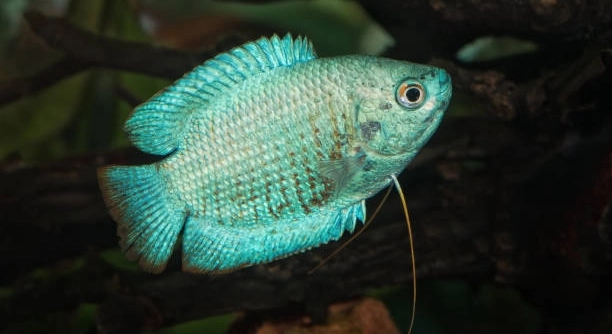
Are your gouramis acting differently when placed in a group setting, making you wonder about their social preferences and behavior patterns? This article explores how these fish respond to companionship and group dynamics in aquariums.
Gouramis show clear preferences in group settings, including favoring peaceful tank mates, forming mild hierarchies, and seeking occasional solitude. Their behavior shifts based on tank size, gender distribution, and environmental stability, highlighting their need for balanced social interactions.
Knowing what gouramis prefer can help you create a calm, healthy group environment that supports their natural behavior and overall well-being.
Preference 1: Peaceful Companions Matter
Gouramis thrive best when surrounded by tank mates that are calm and non-aggressive. They are not typically aggressive unless provoked, and their peaceful nature is easily disrupted by fast or nippy fish. Tank mates that chase or harass can stress them, causing hiding, loss of appetite, or faded colors. Ideal companions include rasboras, tetras, and peaceful bottom dwellers. It’s also important to avoid overstocking the tank, as overcrowding can lead to defensive behavior. Observing your gouramis closely when new fish are introduced can help ensure they remain comfortable and safe in a shared environment.
Gouramis rely on a calm tank to maintain balanced behavior. If they sense frequent tension or chasing, their stress levels increase, impacting their health.
When selecting companions, keep in mind that gouramis often enjoy swimming calmly through the middle and upper sections of the tank. Placing them with hyperactive fish competing for the same space creates unnecessary stress. Peaceful tank mates allow gouramis to move naturally without retreating or staying hidden for long periods. Their interactions tend to be gentle when they feel secure, so creating that sense of safety from the start is key. A relaxed tank encourages healthy color development and more visible daily activity.
Preference 2: A Need for Gentle Hierarchies
Gouramis tend to establish a soft social structure, especially when kept in small groups.
In a group, one or two gouramis may act more dominant, but the interactions are usually subtle. This mild hierarchy helps set boundaries without aggressive confrontation. These dominant gouramis might claim the best resting spots or be the first to eat, but they rarely bully others when the environment is stable. Gender plays a big role too. Males, particularly in species like dwarf gouramis or pearl gouramis, can become territorial if too many are housed together. To avoid conflict, it’s best to keep one male with multiple females or all females if possible. Proper tank setup also matters. Having plants, hiding spots, and clear territories helps gouramis spread out and avoid constant contact. Even in a group, they appreciate moments of solitude. Keeping these social patterns in mind supports a more peaceful group dynamic and reduces stress.
Preference 3: Occasional Solitude Is Valued
Gouramis may swim in groups but still seek time alone. They value quiet moments away from other fish, especially after interactions or feeding. Constant stimulation can make them uneasy and less active during the day.
It’s helpful to include plenty of hiding spots when setting up the tank. Live plants, caves, or driftwood provide shelter and let gouramis retreat without stress. When they feel safe, they’ll emerge more often and interact calmly with others. This need for solitude doesn’t mean they’re antisocial—it simply helps them regulate their mood and energy. Overcrowding the tank removes this option, which can lead to pacing, irritability, or conflict. Watching your gouramis find comfort in a private corner of the tank is a good sign they feel secure. A peaceful layout that respects both their group nature and need for space helps them stay balanced and active.
Too much interaction can exhaust gouramis, especially in overstimulating environments. Just like humans, they need time to recharge. Adding tank decorations that block direct sightlines helps break up the space, reducing tension. These visual barriers let fish pass by each other without direct confrontation. Solitude supports overall health and prevents chronic stress, which often leads to lowered immunity. Letting your gouramis have space makes a clear difference in their daily behavior.
Preference 4: Stable Water Encourages Calm
Gouramis react quickly to water changes. Shifts in pH, temperature, or ammonia levels can cause stress. Even small fluctuations make them uneasy, especially when housed in groups where tension may already exist.
When water conditions remain stable, gouramis show more predictable behavior. You’ll notice consistent swimming, regular feeding, and a calmer group dynamic. Testing water weekly helps catch issues early before they impact the entire group. Use a good filter and change water gradually, not all at once. Avoid placing the tank near windows or heaters, which cause temperature swings. Gouramis feel safest in predictable settings. Stability reduces the chance of sudden aggression or hiding. Fish that know what to expect are more relaxed and easier to observe. Consistent care not only keeps them healthy but also strengthens peaceful interactions within the group. Each adjustment you make to improve water stability supports your gouramis’ need for a calm, secure environment.
Preference 5: Balanced Male-to-Female Ratios
Too many males in one tank often leads to tension. Male gouramis may become territorial, especially during feeding or when establishing resting areas. Keeping a higher number of females helps reduce competition and keeps the group relaxed.
A good ratio is one male to two or three females. This prevents any single fish from being singled out or stressed. It also spreads attention evenly, allowing each gourami to feel more secure. Balanced groups create smoother interactions and reduce the chances of chasing or fin nipping during active periods.
Preference 6: Natural Light Patterns Help
Gouramis respond well to consistent light cycles that mimic a natural day. Sudden changes in lighting can make them skittish and stressed. Keeping a steady rhythm with a light timer can support calm, daily activity. When light gradually increases and fades, gouramis transition smoothly from rest to wakefulness. This rhythm also helps regulate their feeding habits and social behavior. Too much light or complete darkness for long periods creates discomfort. Use soft lighting and avoid harsh brightness. Creating a schedule for lights on and off can improve their sense of routine, especially in tanks with more than one gourami.
Preference 7: Gentle Feeding Times
Feeding should be calm and spaced out. Rushing or overfeeding stresses gouramis and can spark unnecessary competition. Spread the food evenly to prevent crowding and let each fish eat at its own pace.
What should I do if my gouramis are fighting in a group?
Fighting usually occurs when the tank is overcrowded, or there are too many males. To reduce aggression, check the male-to-female ratio and make sure it’s balanced, ideally one male per two or three females. Also, increase hiding spots and plants to give fish space to avoid each other. If fighting persists, consider separating the most aggressive individuals temporarily. Proper tank size matters as well; a cramped environment can increase stress and territorial disputes. Regular water maintenance helps, since poor water quality can heighten irritability.
How do I create enough hiding places for gouramis?
Use live or artificial plants, driftwood, and small caves to provide varied cover. Plants like java fern, anubias, and floating plants work well because they create shaded areas without overcrowding the tank. Position decorations to break sightlines and give gouramis visual barriers. This allows them to retreat when needed. A well-planted tank mimics their natural habitat and supports their need for occasional solitude.
Can gouramis live with other aggressive fish?
It is not recommended. Gouramis are generally peaceful and don’t do well with aggressive or very active tank mates. Aggressive fish can stress gouramis, cause injuries, and limit their access to food or resting areas. Choose peaceful species like tetras, rasboras, or peaceful catfish to maintain harmony. If you want to keep a community tank, watch closely for signs of stress or bullying.
How often should I test water parameters for a gourami group?
Weekly testing is ideal. Monitor pH, ammonia, nitrite, and nitrate levels to catch any water quality issues early. Gouramis prefer slightly acidic to neutral pH (around 6.5 to 7.5). Ammonia and nitrite should be zero, and nitrate kept low through regular water changes. Keeping stable water conditions prevents stress and supports social harmony in the group.
What is the best way to feed gouramis in a group setting?
Feed small amounts two to three times a day. Use sinking flakes or pellets and supplement with frozen or live foods like brine shrimp or bloodworms. Spread food evenly across the tank to reduce competition. Avoid overfeeding, which can pollute the water and lead to aggression. Watching your gouramis during feeding helps identify if any fish are being left out or bullied.
How do I know if my gouramis are stressed?
Signs include hiding frequently, faded colors, loss of appetite, and erratic swimming. Stress may also cause increased aggression or lethargy. Watch for signs of fin damage or unusual behavior. Address environmental factors such as tank mates, water quality, or insufficient hiding spots to reduce stress.
Is it necessary to keep gouramis in groups?
While gouramis can survive alone, they tend to be more active and display natural behaviors in groups. Small groups help reduce stress and encourage social interaction, but overcrowding should be avoided. A group size of three to six is usually ideal, depending on tank size.
What tank size is suitable for a group of gouramis?
A minimum of 20 gallons is recommended for small groups. Larger tanks give more swimming space and reduce territorial disputes. Bigger tanks allow for better placement of plants and hiding spots, which are important for their comfort. Avoid tanks smaller than 15 gallons for groups, as this often leads to stress and aggression.
Can gouramis breed in a community tank?
Breeding is possible but not common in mixed tanks. Males build bubble nests and care for eggs, but other fish may eat fry. To increase breeding chances, provide plenty of plants and keep a balanced ratio of males to females. Separating breeding pairs into a dedicated tank helps protect eggs and fry.
How do temperature changes affect gouramis in groups?
Sudden temperature shifts can stress gouramis, making them more aggressive or lethargic. Maintain stable water temperature between 74°F and 82°F. Use a reliable heater and avoid placing the tank near windows or drafts. Stability supports immune function and reduces conflict in groups.
The behavior of gouramis in group settings reflects a combination of their natural instincts and the environment provided. They prefer a balance between social interaction and occasional solitude, which helps them maintain calm and reduce stress. Paying attention to their need for space, stable water conditions, and proper group composition is essential for their well-being. These fish respond best to an environment that offers both security and opportunities for socializing. Providing adequate hiding places and avoiding overcrowding can prevent conflicts and promote healthy interactions. Observing how gouramis interact with each other gives valuable insights into their comfort level and overall health.
Water quality and tank stability play significant roles in keeping gouramis peaceful and active. Regular monitoring of pH, temperature, and ammonia levels helps maintain a safe and predictable environment. Sudden changes can cause stress, which often leads to aggression or hiding behavior. Using a proper filtration system and conducting gradual water changes support their needs. It is also important to control light cycles and feeding routines to match their natural rhythms. Consistency in these factors encourages balanced behavior in group settings and supports their long-term health. A calm and steady environment reduces unnecessary tension and allows gouramis to thrive.
Understanding gouramis’ preferences in group settings can improve the experience of keeping them in home aquariums. Maintaining a balanced male-to-female ratio, providing natural hiding spots, and ensuring stable water conditions create a peaceful tank environment. These steps help minimize aggression and support social harmony. Watching how gouramis behave in their groups helps identify when adjustments are needed. Small changes in care can lead to significant improvements in their behavior and quality of life. Keeping gouramis means meeting both their social and environmental needs in a thoughtful way. This approach makes it easier to enjoy their unique personalities and natural beauty over time.

Hello,
If you enjoy the content that we create, please consider saying a "Thank You!" by leaving a tip.
Every little bit helps us continue crafting quality advice that supports the health, happiness, and well-being of pets around the world, for pets of all shapes, sizes, and species.
We really appreciate the kindness and support that you show us!