
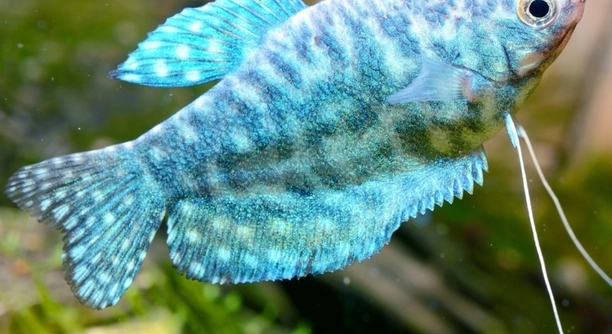
Gouramis are colorful freshwater fish often kept in home aquariums. While they can be social, there are times when these fish prefer to be alone. Understanding their need for isolation helps maintain their health and well-being.
Gouramis prefer isolation in certain situations such as during breeding, illness, stress, or territorial disputes. Isolation reduces conflict, minimizes disease spread, and allows them to recover in a controlled environment. Recognizing these moments is essential for proper care.
Knowing when gouramis seek solitude ensures better aquarium management. This article outlines seven key times gouramis prefer isolation for their optimal comfort and safety.
When Gouramis Breed
During breeding, gouramis need space and privacy to reduce stress. Males become more territorial and may show aggressive behavior toward other fish. Providing a separate breeding tank or isolating the male can prevent injuries and ensure successful spawning. It also gives the female a calm environment to lay eggs.
Breeding gouramis often hide among plants or decorations to feel secure.
Separating breeding gouramis supports healthy mating and protects other tank inhabitants. Males may build bubble nests and guard their territory aggressively. Stress from overcrowding can lead to failure in spawning or harm to both parents and fry. Isolation during this period encourages natural breeding behaviors and reduces conflicts, increasing the chances of healthy offspring. The female typically retreats to a quiet area after spawning. Clear water conditions and stable temperatures are important to support this process. Proper care during breeding involves monitoring behavior and providing suitable shelter. This isolation phase usually lasts until the fry are free-swimming and less vulnerable.
Isolation Due to Illness
Sick gouramis require isolation to prevent disease spread.
Separating ill fish helps control infection and supports recovery by limiting stress from tankmates.
Illness weakens gouramis, making them more vulnerable to aggression and stress in community tanks. Isolation provides a calm, controlled environment for treatment and healing. It also prevents pathogens from spreading to healthy fish. Signs of sickness include loss of appetite, faded colors, or unusual swimming patterns. Quarantine tanks with clean water and appropriate medication improve chances of recovery. Monitoring water quality and reducing disturbances during this time is essential. Quick action at the first signs of illness limits damage and helps maintain overall tank health. Isolation is a crucial step in responsible aquarium care.
Stress Reduction and Isolation
Gouramis often isolate themselves to reduce stress. Crowded tanks or aggressive tankmates can cause anxiety, leading gouramis to seek solitude.
Stress can harm a gourami’s health by weakening its immune system and causing unusual behavior. When the environment feels overwhelming, isolation provides a safe space to calm down. It helps the fish conserve energy and avoid conflicts with others. Ensuring enough hiding spots and proper tank size reduces stress triggers. Sometimes, temporary isolation is necessary to let the gourami recover mentally and physically.
Isolation during stress also prevents injuries caused by fights or bullying. Stressful conditions can increase susceptibility to diseases. Offering a quiet, low-traffic area helps gouramis regain balance. Careful observation during these times is important to recognize signs of improvement or worsening stress. Providing a stable environment promotes long-term well-being and reduces the need for repeated isolation.
Territorial Behavior in Gouramis
Gouramis can be territorial, especially males. They isolate to defend their space from rivals and protect resources.
Territorial disputes often lead to aggressive displays, chasing, or fin nipping. Isolating a dominant male or providing ample space reduces these conflicts. Proper tank layout with visual barriers helps gouramis feel secure. Territorial behavior is strongest during breeding seasons but can appear anytime when space is limited. Respecting these natural instincts improves harmony in community tanks.
When territory is respected, gouramis show less aggression and stress. Providing individual territories with plants or decorations allows them to claim space. If isolation is not possible, monitoring interactions closely is essential. Managing territories prevents injuries and creates a calmer environment for all tank inhabitants. Maintaining a peaceful tank requires attention to these behaviors and occasional isolation for balance.
Recovering from Injury
Gouramis often isolate after an injury to heal without disturbance. Isolation reduces the risk of further harm from tankmates.
Providing a quiet space helps the fish focus energy on recovery. This isolation also lowers stress, which can slow healing.
Adjusting to New Environments
When introduced to a new tank, gouramis may prefer isolation to acclimate. They need time to adjust to unfamiliar surroundings and reduce stress.
This adjustment period can vary depending on the fish and tank conditions. Isolation supports their transition and helps them explore safely.
Avoiding Aggression
Gouramis isolate to avoid aggressive tankmates. Being separated prevents stress and physical harm from constant attacks or bullying.
Creating safe zones minimizes conflict and helps maintain harmony within the tank community.
How do I know if my gourami needs isolation?
Signs that a gourami needs isolation include hiding more than usual, loss of appetite, faded colors, and avoiding other fish. Aggression from tankmates or visible injuries can also indicate the need for separation. Observing these behaviors early helps prevent worsening health or stress.
What is the best way to isolate a gourami?
Use a separate quarantine tank or a tank divider to isolate the gourami safely. The isolation area should have clean, well-filtered water, stable temperature, and hiding spots. Avoid overcrowding and keep the environment calm to support recovery and reduce stress during isolation.
How long should a gourami be isolated?
Isolation duration depends on the reason. For breeding, it may last until fry are independent. Illness or injury might require days or weeks. Stress-related isolation usually lasts until the fish shows normal behavior again. Continuous observation helps determine when isolation can end safely.
Can gouramis be isolated with other peaceful fish?
It is best to isolate gouramis alone if the reason is illness, injury, or severe stress. Adding other fish, even peaceful ones, can increase stress or risk spreading disease. Isolation requires a calm, controlled space for focused care and recovery.
Will isolating gouramis affect their social behavior?
Temporary isolation rarely causes long-term social problems. Gouramis typically return to normal social behavior after recovery or breeding. Prolonged or unnecessary isolation might increase shyness or anxiety, so limit isolation to essential periods only.
What environmental changes support isolation?
During isolation, maintain stable water conditions with regular monitoring. Provide plants or decorations to create hiding spots. Keep lighting moderate and avoid sudden disturbances. These changes help the gourami feel secure and encourage natural behaviors.
Is it necessary to feed isolated gouramis differently?
Feeding does not usually need to change, but offering high-quality, nutritious food supports recovery. In some cases, medicated food or treatments may be necessary for illness. Monitor eating habits closely to ensure the fish is getting enough nutrients during isolation.
Can isolation prevent disease outbreaks?
Isolation of sick or new gouramis is a key step to prevent disease spread in a community tank. Quarantine before introducing new fish reduces the risk of infections. Prompt isolation of sick individuals limits outbreaks and protects the entire aquarium population.
How to reduce the need for isolation in a community tank?
Providing enough space, hiding places, and compatible tankmates reduces stress and aggression. Regular water changes and good filtration maintain health. Careful monitoring and quick response to early signs of trouble prevent situations requiring isolation.
What should I avoid during gourami isolation?
Avoid overcrowding the isolation tank or stressing the fish with frequent handling. Don’t mix medications without guidance. Avoid sudden changes in water parameters or lighting. Keeping the environment stable and calm is crucial for effective isolation and recovery.
These frequently asked questions cover key concerns about gourami isolation. Understanding these points ensures proper care and helps maintain a healthy aquarium environment.
Isolation is an important part of caring for gouramis. There are several times when these fish need space away from others to stay healthy and safe. Whether it is during breeding, illness, or stress, giving gouramis their own space helps reduce problems and allows them to recover. Proper isolation supports their natural behaviors and protects the rest of the tank from potential harm. It also makes it easier to observe and treat any health issues promptly.
Understanding when and how to isolate gouramis improves overall tank management. Isolation is not about keeping fish away permanently but providing temporary support when needed. It prevents fights, reduces stress, and limits the spread of diseases. For breeding gouramis, separation allows successful spawning without disturbances. When sick or injured, gouramis have a better chance to heal in a calm environment. Even in cases of stress or territorial disputes, isolation helps gouramis regain balance and prevents injury. These benefits show why isolation is a necessary tool for responsible aquarium care.
Maintaining a healthy aquarium means paying attention to gouramis’ behaviors and responding appropriately. Isolation should be done with care, ensuring clean water, stable conditions, and hiding spots. Avoid overcrowding or sudden changes during this time to keep stress low. After isolation, gouramis usually return to their normal social behavior. Providing space when needed protects both the individual fish and the entire tank. Knowing when to isolate gouramis helps create a peaceful and thriving aquarium for all its inhabitants.

Hello,
If you enjoy the content that we create, please consider saying a "Thank You!" by leaving a tip.
Every little bit helps us continue crafting quality advice that supports the health, happiness, and well-being of pets around the world, for pets of all shapes, sizes, and species.
We really appreciate the kindness and support that you show us!