
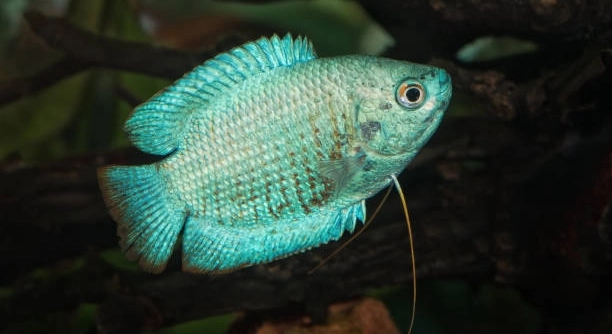
Gourami adolescents often display a variety of temperament traits as they grow. These traits shape their behavior and interactions within their environment. Observing these traits helps in understanding their needs and personality development.
Seven key temperament traits commonly seen in gourami adolescents include curiosity, territoriality, social interaction, aggression, shyness, adaptability, and feeding behavior. Each trait influences how these fish respond to stimuli and interact with their surroundings.
Knowing these temperament traits offers valuable insight for better care and peaceful aquarium management. It can improve your experience watching gouramis mature and thrive.
Curiosity in Gourami Adolescents
Curiosity is one of the first temperament traits noticeable in young gouramis. As they explore their surroundings, they show interest in new objects, changes in the tank, and the movements of other fish. This natural curiosity helps them learn about their environment and find food sources. During this stage, they may swim around more actively and investigate decorations or plants. It’s important to provide a stimulating environment with hiding spots and varied textures. This keeps them engaged and prevents boredom, which can lead to stress. Watching gouramis interact with their environment through their curiosity can be rewarding. It also helps you recognize when something is wrong, such as if they lose interest in exploring. Their curious nature is balanced by moments of caution, showing how they carefully assess risks before fully engaging with new things. Overall, this trait plays a key role in their development.
Curiosity encourages gouramis to stay active and alert, improving their overall health and well-being.
Providing an enriched environment allows gouramis to express their curiosity naturally. Adding plants, rocks, and gentle water currents stimulates their senses. They learn which areas are safe and where to find food. Observing these behaviors helps improve tank conditions and meet their needs. Over time, curious gouramis become more confident and social with other fish. Their interest in exploring also prevents stress and promotes a balanced temperament as they mature.
Territoriality and Social Interaction
Territoriality appears as gouramis establish their own space in the tank. They may show mild aggression to protect their territory from others. This behavior helps reduce conflicts once boundaries are clear.
During adolescence, gouramis develop social skills by interacting with tank mates. They learn when to defend their space and when to share. Proper tank size and decorations help manage these interactions. Observing their social behavior guides you in creating a peaceful environment where gouramis can coexist comfortably without excessive stress.
Aggression and Shyness
Aggression in adolescent gouramis is usually mild but noticeable. They may chase others to defend their space or compete for food. This behavior helps establish a pecking order within the tank.
Aggression can vary depending on the individual fish and tank conditions. Some gouramis become more dominant, while others back down quickly. Overcrowding or lack of hiding spots can increase aggressive behavior. Providing enough space and visual barriers reduces tension and helps keep aggression at manageable levels. It’s important to observe interactions regularly to prevent injuries or stress among tank mates. Knowing when to separate overly aggressive fish keeps the community peaceful.
Shyness is the opposite temperament and often appears in less confident gouramis. These fish tend to hide more and avoid confrontation. Shy gouramis might feed less and stay near plants or decorations. This cautious behavior helps protect them but can sometimes make it harder to spot health issues early. Encouraging shy gouramis to come out with gentle feeding and a calm environment helps build their confidence.
Adaptability and Feeding Behavior
Adolescent gouramis show good adaptability as they adjust to changes in their environment. They can handle new tank setups, water conditions, and diet variations, but this depends on how gradually changes are introduced. Sudden shifts may cause stress or illness. When introduced slowly, gouramis learn to accept new foods and routines, which supports healthy growth. Their adaptability also helps them cope with social dynamics in the tank, like new tank mates or rearranged decorations. Observing how gouramis respond to changes can give clues about their well-being and help prevent future problems.
Feeding behavior reflects their temperament and health. Gouramis tend to be opportunistic feeders, showing enthusiasm during feeding times. Adolescents may compete for food, especially in a crowded tank, leading to dominant fish eating more. Offering varied and balanced diets supports their growth and reduces aggressive competition. Slow feeders may need extra care to ensure they get enough nutrition. Watching their feeding habits gives important information about their social status and overall condition. Adjusting feeding routines can improve harmony and help all gouramis thrive.
Feeding Behavior and Growth Patterns
Feeding behavior in adolescent gouramis is often lively and competitive. They tend to eat frequently as they grow rapidly during this stage. Proper nutrition is essential to support their development.
Growth patterns vary among individuals. Some gouramis grow steadily, while others may have growth spurts. Monitoring their size helps ensure they are healthy and thriving.
Social Bonds and Communication
Gouramis develop social bonds through various behaviors like gentle nudging, color changes, and fin displays. These interactions help maintain group harmony and reduce conflicts. Communication is subtle but important, allowing gouramis to express needs and establish relationships with tank mates.
Stress Responses
Stress responses in adolescent gouramis include hiding, loss of appetite, and color fading. These signs indicate that something in the environment may be causing discomfort. Addressing stress early helps maintain their health and well-being.
FAQ
What causes aggression in adolescent gouramis?
Aggression often arises from territorial instincts and competition for resources like food and space. Young gouramis are figuring out their place in the tank’s social structure. Overcrowding, lack of hiding spots, or sudden changes in the environment can make aggression worse. Providing enough room and places to hide helps reduce fights.
How can I tell if my gourami is shy or just stressed?
Shy gouramis usually avoid interaction and prefer hiding spots even in calm conditions. Stress, on the other hand, often causes more sudden changes like loss of appetite, rapid breathing, or unusual swimming patterns. Watching their behavior over time gives the best clues.
Do gouramis need a special diet during adolescence?
During adolescence, gouramis need a balanced diet rich in protein and nutrients to support growth. Offering a mix of flakes, pellets, and live or frozen foods like brine shrimp or bloodworms is ideal. Variety also helps keep them interested in eating.
Can gouramis live peacefully with other fish?
Gouramis can live well with peaceful, similarly sized fish that don’t provoke them. Avoid very aggressive or very timid tank mates. Proper tank size and decorations that create territories help reduce conflicts and stress.
How often should I feed adolescent gouramis?
Feeding two to three small meals a day is best. Overfeeding can pollute the tank and cause health problems, while underfeeding slows growth. Watch their behavior to adjust the amount as needed.
What signs show that my gourami is healthy?
Healthy gouramis are active, alert, and curious. Their colors should be bright and consistent, fins fully spread without damage, and they should eat regularly. Healthy fish swim smoothly without signs of distress like gasping or rubbing against objects.
How do I reduce stress in gouramis?
Stress can be lowered by maintaining stable water parameters, avoiding sudden changes, providing hiding spots, and minimizing aggressive interactions. Gentle lighting and calm surroundings also help gouramis feel secure.
What causes gouramis to change color?
Color changes happen due to mood, health, breeding condition, or stress. Bright, vibrant colors usually indicate good health and confidence. Pale or dull colors can signal illness or discomfort.
At what age do gouramis reach full maturity?
Gouramis usually reach full maturity around six to nine months. During this time, their temperament and size stabilize, and breeding behaviors may appear.
Can adolescent gouramis be trained or conditioned?
Yes, gouramis can learn to recognize feeding times and even their owner’s presence. Regular feeding routines and gentle interaction help build this conditioning, making them more sociable and easier to observe.
Why do some gouramis hide more than others?
Hiding is a natural behavior, especially for shy or stressed fish. Personality differences, tank setup, and social hierarchy influence how much a gourami hides. Providing plenty of cover helps them feel safe.
Is it normal for adolescent gouramis to fight occasionally?
Minor scuffles are normal as gouramis establish territories and social ranks. These usually don’t cause harm if the tank is well managed. Persistent or violent fights may require intervention.
What water conditions are best for adolescent gouramis?
Gouramis prefer warm water between 75–82°F (24–28°C), a pH around 6.5–7.5, and soft to moderately hard water. Clean, well-filtered water with low nitrate levels supports healthy growth.
How can I encourage shy gouramis to be more active?
Create a calm environment with gentle lighting and plenty of hiding spots. Feed them near their favorite areas to encourage movement. Patience is key, as shy gouramis take time to feel comfortable.
What is the best way to introduce new gouramis to an existing tank?
Introduce new gouramis slowly, ideally quarantining them first to prevent disease. Rearrange tank decorations slightly to reset territories and reduce aggression. Monitor closely during the first few days for signs of stress or conflict.
Understanding the temperament traits of adolescent gouramis can greatly improve how you care for them. These young fish go through many changes in behavior as they grow. Traits like curiosity, territoriality, aggression, and shyness all play important roles in how they interact with their environment and other tank mates. Knowing these traits helps you create a better living space that meets their needs. It also makes it easier to recognize when something is wrong or when your gouramis need extra care. Taking time to observe their behavior is key to providing the right environment and ensuring their health.
Providing a proper environment is just as important as understanding their behavior. Gouramis need enough space to establish territories and plenty of hiding spots to feel safe. Overcrowded tanks or sudden changes can cause stress, which may lead to health problems or increased aggression. Feeding them a balanced diet that supports their growth helps maintain their energy and wellbeing. Watching how they eat and interact during feeding time can give you useful clues about their temperament and social rank. Small adjustments to tank setup or feeding routines can have a big impact on keeping adolescent gouramis calm and healthy.
Taking care of adolescent gouramis requires patience and attention. Their temperament changes as they mature, and each fish may develop differently depending on its personality and environment. Giving them time to adapt, along with steady care, helps them grow into healthy adult fish. Keeping the tank stable, monitoring water conditions, and managing social dynamics reduces stress and aggression. When you understand the seven temperament traits and how they affect your gouramis, you can provide a peaceful and supportive home for them. This knowledge not only benefits the fish but also makes your aquarium experience more enjoyable.

Hello,
If you enjoy the content that we create, please consider saying a "Thank You!" by leaving a tip.
Every little bit helps us continue crafting quality advice that supports the health, happiness, and well-being of pets around the world, for pets of all shapes, sizes, and species.
We really appreciate the kindness and support that you show us!