
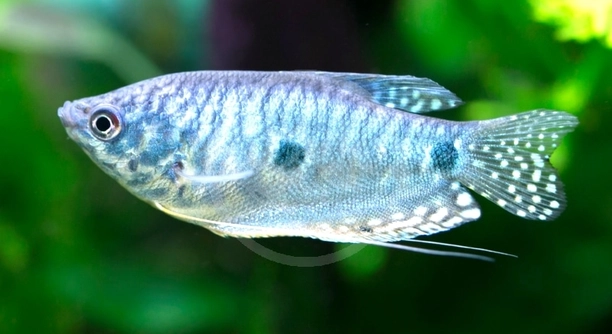
Gouramis are popular freshwater fish known for their unique behaviors and colors. Observing their posture can reveal much about their mood and well-being. Understanding these signs helps owners care better for their aquatic pets.
Gouramis change their posture in specific ways to express moods such as stress, aggression, curiosity, or relaxation. These physical cues include fin positioning, body orientation, and swimming patterns that provide insight into their emotional and health states.
Recognizing these subtle posture changes can improve your connection with your gourami and ensure it stays healthy and comfortable in its environment.
Fin Flaring and Mood
When a gourami flares its fins, it is often signaling aggression or trying to establish dominance. This behavior usually happens when another fish enters its territory or when the gourami feels threatened. The fins spread wide, making the fish look larger and more intimidating. Sometimes, fin flaring can also be a way to attract a mate during breeding periods. However, frequent or prolonged fin flaring may indicate stress or discomfort, especially in a crowded tank or poor water conditions. Observing how often and in what context your gourami flares its fins can give you clues about its current state. If flaring happens regularly without clear cause, it’s a good idea to check the tank environment and water quality. Adjusting tank mates or improving conditions can help reduce unnecessary stress for your fish.
Fin flaring is a strong signal from your gourami about how it feels in its space and social setting.
Understanding when and why fin flaring happens helps keep your gourami calm and balanced, preventing stress-related health issues.
Body Position and Emotional State
A gourami’s body position often reflects its emotional condition. When relaxed, the fish swims smoothly and maintains a horizontal posture, showing comfort in its surroundings. If the gourami hunches or tilts downward, it might be feeling unwell or stressed. Sometimes, a fish will press itself against tank walls or hide, signaling fear or illness. Aggressive moods often show in a stiff, upright stance, combined with fin flaring. Watching these subtle shifts in posture gives insight into how your gourami copes with its environment. Changes in body position should prompt a check on water parameters, diet, and social dynamics within the tank. Regular observation ensures early detection of issues, helping maintain a healthy, happy gourami. Adjustments like rearranging decorations or separating aggressive fish can improve your gourami’s mood and overall well-being.
Tail Movement and Mood
A relaxed gourami will move its tail gently and steadily. Quick or erratic tail movements often show excitement or agitation.
Tail flicking can mean the fish is curious or exploring its environment. Rapid tail beats may also indicate discomfort or attempts to escape stressors like poor water quality or aggressive tank mates.
Watching your gourami’s tail patterns can reveal its mood clearly. When the tail moves calmly, your fish feels safe. Sudden bursts or constant twitching suggest something might be bothering it. Regular monitoring helps you respond early to your gourami’s needs.
Color Changes and Emotional Signals
Color changes in gouramis are a direct reflection of their mood and health. Bright, vibrant colors usually mean the fish is healthy and confident, while dull or faded colors can indicate stress or illness.
Stressful situations, such as new tank mates or changes in environment, often cause gouramis to lose their vivid coloration temporarily. During breeding, males tend to show more intense colors to attract females. Disease or poor water conditions also impact their appearance. Recognizing these changes early allows for timely intervention, ensuring the fish’s well-being. Keeping stable water parameters and providing a calm environment helps maintain your gourami’s natural colors and overall happiness.
Gill Movement and Stress
Rapid gill movement usually shows that a gourami is stressed or struggling to breathe. This can happen if water quality is poor or oxygen levels are low.
Slow, steady gill movement means the fish is calm and comfortable in its environment, indicating good health.
Swimming Patterns and Mood
Gouramis that swim actively and explore their tank tend to feel secure and curious. Sudden darting or erratic swimming suggests fear or discomfort. When a gourami stays near the surface or hides often, it might be stressed or unwell. Changes in swimming behavior should prompt checking water quality and tank conditions to keep the fish healthy and happy.
Body Inflation and Defense
Gouramis sometimes puff up their bodies to appear bigger when threatened. This behavior signals fear or a defensive mood.
Maintaining a peaceful tank environment reduces the need for this defensive posture.
How can I tell if my gourami is stressed by its posture?
A stressed gourami often shows several posture changes like rapid gill movement, frequent fin flaring, or erratic swimming. It might also press its body against tank walls or hide more than usual. The fins can appear clamped close to the body rather than relaxed. Watching these signs helps spot stress early so you can improve water quality or reduce tank crowding to make your fish feel safe again.
Why does my gourami flare its fins so often?
Frequent fin flaring can mean your gourami is trying to show dominance or feels threatened. It’s a way to look bigger and warn other fish. Sometimes, it happens during mating periods as a display. If flaring happens all the time without obvious cause, it could indicate stress or poor tank conditions. Check for overcrowding, aggression from tank mates, or water issues to reduce this behavior.
What does it mean when my gourami changes color suddenly?
Sudden color changes usually reflect mood shifts or health problems. Bright colors mean the fish is healthy and comfortable. Dull or faded colors often signal stress, illness, or poor water quality. Some gouramis also change color when spawning to attract mates. If you see color changes, test your water parameters and look for signs of disease to act quickly.
Is it normal for my gourami to puff up its body sometimes?
Yes, puffing up is a natural defensive behavior when a gourami feels threatened. It tries to appear larger to scare off potential threats. This should happen only occasionally. Constant body inflation might mean your fish is stressed or in an aggressive environment. Make sure the tank is peaceful and well-maintained to avoid this.
How do swimming patterns indicate my gourami’s mood?
Calm, smooth swimming shows your gourami feels safe and relaxed. Erratic or darting swimming can indicate fear, stress, or irritation. If your fish hides often or stays near the surface, it may be uncomfortable or sick. Watching how your gourami moves daily helps spot changes early so you can check the tank conditions or health.
What should I do if my gourami shows rapid gill movement?
Rapid gill movement signals breathing difficulty, usually caused by poor oxygen levels or water quality. Make sure the tank is well-aerated and clean. Perform regular water changes and avoid overcrowding. Testing water parameters for ammonia, nitrite, and nitrate levels is important to fix the problem and keep your fish healthy.
Can posture changes predict illness in gouramis?
Yes, changes like sluggish swimming, clamped fins, loss of color, or body inflation can be early signs of illness. Stress from poor water quality or infections often shows in posture first. If you notice unusual behavior lasting more than a day or two, check water parameters and consider consulting a vet or fish expert.
How often should I observe my gourami’s posture and behavior?
Daily observation is best to catch mood or health changes early. Spend a few minutes watching how your gourami swims, rests, and interacts with tank mates. Consistent attention helps you understand normal behavior and quickly notice when something is wrong. This care improves your fish’s life quality and longevity.
Are posture changes different between male and female gouramis?
Yes, male gouramis often show more pronounced fin flaring and color changes, especially during breeding. Females tend to have softer colors and less aggressive displays. Understanding these differences helps interpret mood signals correctly and manage breeding behavior in your tank.
What environmental changes can help improve a stressed gourami’s posture?
Improving water quality through regular changes, adding plants for hiding spots, and ensuring compatible tank mates can calm a stressed gourami. Maintaining stable temperature and proper filtration also supports good health. Small changes in the environment often lead to noticeable improvements in posture and mood.
Understanding your gourami’s posture is key to keeping it healthy and happy. These fish use their body language to show how they feel, whether calm, curious, stressed, or aggressive. By paying attention to things like fin flaring, tail movement, body position, and color changes, you can better understand your gourami’s mood. This helps you create a comfortable environment that meets its needs. Observing your fish regularly will make it easier to notice when something is wrong and take action early.
Taking care of gouramis means watching for small changes in behavior. For example, rapid gill movement or hiding can signal stress or illness. If you see your gourami puffing up its body or changing colors suddenly, these are important signs to consider. Addressing water quality, tank mates, and feeding habits can often improve your fish’s mood and health. It’s also important to give your gourami enough space and a peaceful environment, so it feels safe and relaxed.
In the end, understanding gourami posture is about paying close attention and responding thoughtfully. These fish communicate quietly, but their body language speaks volumes once you know what to look for. Maintaining good tank conditions and offering a calm home will encourage positive moods and reduce stress. This makes your gourami more active, colorful, and healthy, which is rewarding for both the fish and you.

Hello,
If you enjoy the content that we create, please consider saying a "Thank You!" by leaving a tip.
Every little bit helps us continue crafting quality advice that supports the health, happiness, and well-being of pets around the world, for pets of all shapes, sizes, and species.
We really appreciate the kindness and support that you show us!