
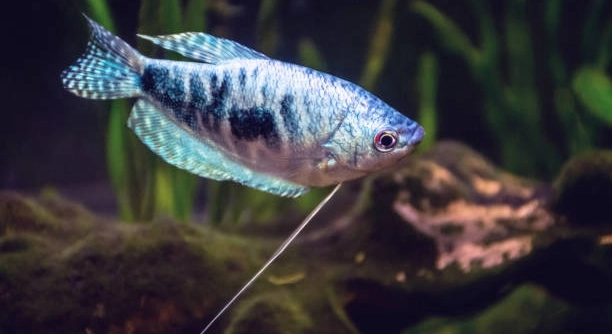
Gouramis are popular freshwater fish known for their peaceful nature and vibrant colors. They often share tanks with other species, but unexpected guests can trigger various reactions. Understanding these responses helps create a harmonious aquarium environment.
Gouramis respond to unexpected tank guests with a range of behaviors, including curiosity, territorial displays, hiding, or increased activity. These reactions depend on the gourami species, the nature of the newcomer, and tank conditions.
These common reactions reveal important insights into gourami behavior and tank dynamics, helping aquarists manage new introductions smoothly and maintain balanced aquatic communities.
Curiosity and Investigation
When a new fish or tank guest appears suddenly, many gouramis first react with curiosity. They often swim closer to the newcomer, moving slowly and observing carefully. This behavior helps gouramis understand if the new guest poses any threat or is simply another peaceful inhabitant. Watching the newcomer’s movements and colors can help the gourami decide how to respond next. This investigative phase can last from a few minutes to several hours, depending on the individual fish’s personality and previous experiences. Sometimes gouramis may gently nudge or circle the newcomer as a way of testing boundaries without causing harm. This initial inspection often sets the tone for future interactions and helps reduce tension in the tank. In peaceful tanks, this curiosity usually fades once the gourami accepts the guest.
Curiosity helps gouramis adjust smoothly to changes, reducing stress for both the existing fish and the newcomer.
Understanding this behavior makes it easier to predict how gouramis will act when introducing new species or tank mates, ensuring a calm environment for everyone.
Territorial Displays
Gouramis can become quite territorial, especially if a new tank guest invades their space. When feeling threatened, gouramis might flare their fins, raise their bodies, or even chase the intruder. These displays serve to warn others to keep away and mark boundaries within the tank. This behavior is more common in males, who defend their preferred areas vigorously, especially during breeding times. Territoriality helps gouramis maintain control over feeding zones and resting spots, which are important for their comfort and health. It’s important to provide enough hiding spaces and separate territories in the aquarium to reduce conflicts. If space is limited, aggressive displays might escalate to chasing or nipping, causing stress or injury. Aquarists should watch carefully and act if these signs of territorial behavior become too frequent or severe.
Territorial displays can create tension, but managing tank space carefully can help reduce conflicts and promote peaceful coexistence.
Providing plants, rocks, and hiding spots encourages gouramis and other fish to establish their own areas, minimizing direct competition and stress. With proper planning, territorial behavior becomes less of a problem, allowing the tank to stay calm and balanced over time.
Hiding and Avoidance
Gouramis often hide when new guests enter the tank. This is a way to feel safe and avoid potential threats. Hiding spots like plants or decorations become important refuges for them during this time.
Hiding is a natural response for gouramis, especially shy or smaller individuals. When unfamiliar fish appear, gouramis may retreat to corners or thick vegetation to observe quietly. This behavior helps reduce stress and gives them time to assess the situation without direct confrontation. Avoidance can last for hours or days, depending on how threatening the new guest seems. Some gouramis remain shy for longer, while others gradually become more confident as they grow accustomed to the newcomer’s presence.
Providing plenty of cover helps gouramis feel secure and lowers stress levels. Over time, gouramis usually come out more as they realize the new tank mates are not dangerous. This makes the tank more peaceful for everyone involved.
Increased Activity and Agitation
Gouramis may become more active or agitated when unexpected guests arrive. They swim faster, chase other fish, or display restless movements to express discomfort or assert dominance.
This increase in activity can be a sign of stress or unsettled territory. Gouramis might pace around the tank, frequently patrol their area, or even nip at others. This behavior often happens when the new guest disrupts the established balance or competes for food and space. Increased agitation may also indicate that gouramis feel insecure or threatened. It is essential to monitor their behavior to prevent aggression or injury. Reducing stress with proper tank setup, adequate space, and peaceful companions helps gouramis settle more quickly and regain calm behavior.
Display of Color Changes
Gouramis sometimes change their colors when new guests appear. Brightening or darkening their hues signals stress or an attempt to communicate with the newcomer. These changes can be temporary and often return to normal once the situation settles.
Color shifts help gouramis express feelings without aggression. It’s a subtle way to show dominance or discomfort, helping avoid physical conflict.
Bubble Nesting Behavior
Male gouramis may increase bubble nest building when new tank guests arrive. This is a sign of territorial claim and readiness to protect a breeding site. Nest building helps males establish dominance and secure space within the tank.
Increased bubble nesting can indicate the male is trying to assert control or impress potential mates. It can also mean the tank conditions are suitable for breeding, so watch for other signs of reproductive behavior.
Social Interaction Changes
Unexpected guests can change how gouramis interact with each other. They may become more aggressive or more withdrawn, depending on the new fish’s behavior and size.
FAQ
How do gouramis usually react to new fish in their tank?
Gouramis tend to react with a mix of curiosity and caution. They may swim closer to inspect the new fish or hide in plants to avoid confrontation. Some gouramis show territorial behavior, like flaring fins or chasing the newcomer to protect their space. Reactions vary based on gourami species, individual temperament, and how threatening the new fish appears.
Why do some gouramis hide when new guests arrive?
Hiding is a natural defense mechanism for gouramis. When unfamiliar fish enter the tank, gouramis often retreat to secure spots to feel safe. This helps reduce stress and allows them to observe quietly. Shyer or smaller gouramis hide more often, especially if the new guests are larger or more active. Over time, they usually become more confident and come out of hiding.
Can gouramis become aggressive toward new tank mates?
Yes, especially males or territorial species. Gouramis may chase, nip, or display aggressive postures to protect their territory. This behavior is most common during breeding or when space is limited. Providing enough hiding spots and room helps reduce aggression. If aggressive behavior continues, it might be necessary to separate fish to avoid injuries.
What does it mean when a gourami changes color around new guests?
Color changes often indicate stress or communication attempts. Gouramis might brighten colors to show dominance or darken to signal discomfort. These shifts usually don’t last long and return to normal once the new fish is accepted. Watching for color changes can help spot stress early and take action to improve tank conditions.
Why do male gouramis build more bubble nests when new fish are added?
Increased bubble nesting is a territorial and reproductive behavior. Males build nests to attract females and defend their space. When new guests enter the tank, males may respond by building nests to assert dominance or prepare for breeding. This behavior signals the male’s intention to control a certain area of the aquarium.
How can I help my gouramis adjust to new tank mates?
Introduce new fish slowly and provide plenty of hiding places. Rearrange the tank decorations slightly before adding new guests to disrupt established territories and reduce aggression. Monitor interactions closely, especially in the first days. Feeding regularly and maintaining good water quality also helps lower stress during transitions.
Are all gourami species equally tolerant of tank guests?
No, tolerance varies by species and individual personality. Some gouramis are more peaceful and adaptable, while others are territorial and easily stressed. For example, dwarf gouramis tend to be more peaceful, while kissing gouramis or thick-lipped gouramis can be more aggressive. Knowing your gourami’s species traits helps in choosing compatible tank mates.
What should I do if gouramis keep attacking new fish?
If attacks persist, separate the aggressive gourami or the new fish temporarily. Check tank size and layout—crowding often causes aggression. Adding more hiding spots and rearranging decorations can help. Avoid placing aggressive gouramis with small or slow-moving fish. In some cases, rehoming or upgrading the aquarium may be necessary to keep peace.
How long does it take for gouramis to accept new tank mates?
Acceptance time varies widely, from a few hours to several weeks. It depends on the gourami’s personality, species, tank conditions, and the new fish’s behavior. Patience is important, as rushing the process can increase stress and aggression. Keeping the environment stable and peaceful helps gouramis adjust faster.
Can stress from new tank guests affect gourami health?
Yes, prolonged stress weakens the immune system, making gouramis more prone to diseases. Stress can also reduce appetite and cause hiding or lethargy. Keeping stress low by providing hiding spots, good water quality, and peaceful tank mates supports gouramis’ health and well-being during changes.
Gouramis react to new tank guests in several ways, and understanding these reactions helps in managing a peaceful aquarium. They may be curious, hiding, showing territorial behavior, or even changing colors. Each of these responses is a natural way for gouramis to deal with unfamiliar fish and protect their space. By paying attention to these behaviors, aquarists can better support their gouramis during times of change and reduce stress in the tank.
Providing a comfortable environment with plenty of hiding spots and enough room is important. When tank space is limited or decorations are sparse, gouramis are more likely to feel threatened and act out. Rearranging the tank slightly before adding new guests can also help break up territories, making introductions smoother. Keeping water conditions stable and feeding regularly lowers stress and promotes healthy interactions between all fish.
Patience is key when introducing new tank guests to gouramis. Some fish adjust quickly, while others may take days or weeks to feel secure. Observing their behavior and being ready to step in if aggression becomes a problem ensures a safer environment for everyone. With proper care and understanding, gouramis and their tank mates can coexist peacefully and create a balanced, enjoyable aquarium.

Hello,
If you enjoy the content that we create, please consider saying a "Thank You!" by leaving a tip.
Every little bit helps us continue crafting quality advice that supports the health, happiness, and well-being of pets around the world, for pets of all shapes, sizes, and species.
We really appreciate the kindness and support that you show us!