
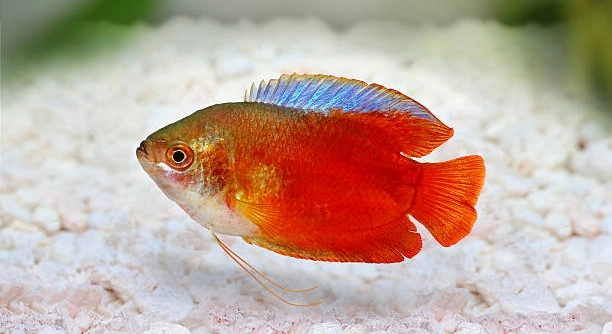
Gouramis are popular freshwater fish known for their vibrant colors and interesting behaviors. Feeding time often reveals unique ways these fish interact with each other and their environment. Observing their communication can enhance the aquarium experience for owners.
Gouramis use a variety of physical and behavioral signals during feeding, including body posture changes, fin movements, and bubble blowing. These actions serve to establish feeding order, reduce conflict, and communicate hunger or dominance within their social group.
Recognizing these signals provides insight into gourami behavior and helps create a harmonious feeding environment in home aquariums. This knowledge supports better care and interaction with these fascinating fish.
Body Language and Posture Changes
Gouramis often adjust their body posture to communicate during feeding times. You may notice a fish puffing out its throat or expanding its gill covers to appear larger. This signals dominance and helps establish feeding priority without direct confrontation. Some gouramis also tilt their bodies or raise their fins to show readiness to eat or assert their presence. These subtle movements prevent aggressive encounters by signaling intentions clearly. Watching these behaviors can be rewarding because it reveals the social structure within your aquarium. The changes in posture are a natural way for gouramis to manage competition over food while maintaining peace among tank mates. Paying attention to these cues lets you better understand when a fish is stressed or feeling confident, which can guide you in adjusting feeding practices or tank conditions to support their well-being.
These posture changes reduce fights and help maintain balance during feeding sessions.
Understanding this behavior allows you to observe and respond to gouramis’ social dynamics, improving their feeding experience and tank harmony.
Bubble Blowing and Mouth Movements
Bubble blowing is a unique way gouramis communicate during feeding. They release small bubbles or air from their mouths as a signal to others. This can indicate hunger or act as a warning to keep distance. Gouramis have a labyrinth organ, which helps them breathe air, so bubble blowing is natural and often seen during feeding times. These bubbles may also mark feeding spots or serve as a way to gain attention from other fish. Observing these mouth movements gives clues about their mood and feeding status. Gouramis tend to open and close their mouths repeatedly or make quick snaps to show eagerness for food. Recognizing these signals helps aquarium owners provide timely feeding and reduce stress among fish. This behavior also highlights their reliance on both water and air for survival, making them fascinating subjects in freshwater tanks.
Fin and Tail Movements
Gouramis use their fins and tails to communicate intentions during feeding. Quick fin flicks or tail waves can signal excitement or assertiveness. These movements often help establish feeding order without physical conflict.
These gestures serve as clear signals within the tank. When a gourami flicks its fins rapidly, it usually means the fish is eager to eat and ready to claim food. Tail flicks can indicate an attempt to move others away or show dominance. These movements are essential for maintaining social order during feeding times. Watching these cues can help you notice which fish is stressed or confident. By understanding fin and tail signals, feeding sessions become smoother, and aggression is minimized.
Paying attention to these fin and tail cues allows you to anticipate how gouramis interact and respond, helping you manage their feeding environment better.
Color Changes
Gouramis often change color during feeding as a communication method. Darkening or intensifying their hues can show excitement or stress, which plays a role in their social interactions.
Color changes help gouramis signal mood and status among tank mates. When a gourami’s color deepens, it can mean the fish is asserting dominance or is highly focused on food. Lighter colors may indicate submission or calmness. These shifts are usually temporary and depend on the situation around feeding times. Observing these changes provides useful insight into their behavior and helps prevent conflicts. Knowing when a fish is stressed from color cues can prompt you to adjust feeding amounts or tank conditions. Color changes also reflect the health and emotional state of gouramis, making them valuable indicators for any aquarium owner.
Gill Flare
Gouramis flare their gills to show dominance or warn others during feeding. This display helps reduce direct fights by establishing boundaries.
The gill flare signals to other fish to back off. It is a clear message that the gourami is protecting its food or territory, helping maintain order in the tank.
Body Vibrations
Gouramis sometimes vibrate their bodies to communicate excitement or urgency during feeding. This subtle behavior is often brief but noticeable.
These vibrations help alert other gouramis to the presence of food or signal readiness. It is part of their natural communication to coordinate feeding without aggression.
Eye Movement
Gouramis use eye movement to focus on food and signal attention during feeding. Quick glances or fixed staring often occur before striking at food.
Eye movement is an important non-verbal cue that shows awareness and intent. Observing this helps understand how gouramis anticipate feeding opportunities.
How do gouramis communicate during feeding?
Gouramis use a combination of body language, fin and tail movements, bubble blowing, gill flaring, and color changes to communicate during feeding. These behaviors help them establish feeding order, reduce conflict, and signal hunger or dominance within their group. Paying attention to these cues provides insight into their social dynamics.
Why do gouramis blow bubbles when feeding?
Bubble blowing is part of how gouramis communicate excitement or mark feeding spots. Since they have a labyrinth organ allowing them to breathe air, releasing bubbles is natural. This behavior can signal hunger or serve as a warning to other fish to keep distance during feeding.
What does gill flaring indicate in gouramis?
Gill flaring is a dominant or warning display. When a gourami flares its gills during feeding, it signals others to back off and respect its feeding territory. This behavior helps reduce physical conflicts over food.
Can gouramis change color during feeding?
Yes, gouramis often change color when feeding. Darkening or intensifying color shows excitement, dominance, or stress. These temporary changes communicate their mood and social status among tank mates.
Are fin and tail movements important for gourami feeding behavior?
Absolutely. Quick fin flicks or tail waves signal eagerness, assertiveness, or an attempt to establish priority. These movements prevent fights by clearly communicating intentions during feeding.
Do gouramis use body vibrations to communicate?
Yes, body vibrations are subtle but meaningful signals. Gouramis may vibrate their bodies briefly to alert others of food or express urgency. It helps coordinate feeding and reduce aggression.
How can I tell if a gourami is stressed during feeding?
Signs include rapid color changes to paler or duller tones, excessive gill flaring, frantic fin movements, or erratic swimming. Recognizing these signs early helps you adjust feeding or tank conditions to reduce stress.
Should I feed gouramis differently based on their communication signals?
Observing communication helps you time feedings and control portions. If you see dominant behavior or stress signals, try feeding smaller amounts more frequently or spread food around the tank to avoid competition.
Do all gouramis communicate the same way during feeding?
While basic behaviors like fin flicks and gill flares are common, individual gouramis may vary in intensity and frequency. Factors like species, tank size, and social hierarchy influence their communication styles.
How does understanding gourami communication improve aquarium care?
Knowing their signals allows you to create a calmer feeding environment, reduce aggression, and monitor health. It also helps you meet their social and nutritional needs more effectively, improving their overall well-being.
Gouramis display a variety of behaviors during feeding that serve as important communication signals. These include changes in body posture, fin and tail movements, bubble blowing, gill flaring, and color shifts. Each behavior helps gouramis establish their place within the social hierarchy and manage access to food. Understanding these signals allows aquarium owners to observe interactions more clearly and respond appropriately. This knowledge also reduces the chances of stress or aggression among tank mates during feeding time, making the experience better for both fish and owner.
Recognizing gourami communication can also improve how feeding is managed. Observing signs such as dominance displays or signs of stress can guide adjustments in feeding routines. For example, offering food in multiple locations or feeding smaller portions more frequently can reduce competition and ensure all fish get enough to eat. Awareness of these behaviors can also highlight potential health issues, as changes in color or unusual movements may indicate illness or discomfort. Paying attention to communication during feeding supports better care and helps maintain a stable, peaceful aquarium environment.
Overall, learning to read gourami behavior during feeding enriches the aquarium-keeping experience. It deepens the connection between owner and fish while promoting a balanced social dynamic within the tank. These communication methods are natural ways gouramis interact and should be respected to maintain their well-being. By responding thoughtfully to their signals, owners can create a supportive habitat where gouramis thrive, leading to a healthier and more enjoyable aquarium.

Hello,
If you enjoy the content that we create, please consider saying a "Thank You!" by leaving a tip.
Every little bit helps us continue crafting quality advice that supports the health, happiness, and well-being of pets around the world, for pets of all shapes, sizes, and species.
We really appreciate the kindness and support that you show us!