
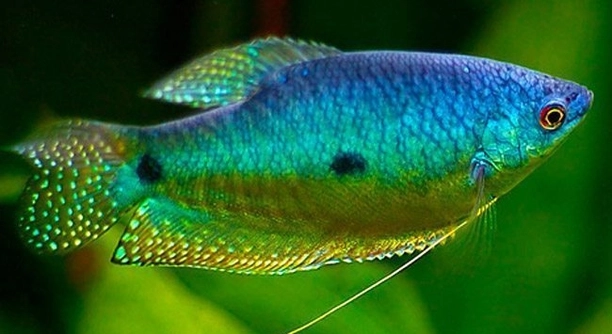
Have you ever watched your gourami swim gracefully and wondered if those subtle movements meant something more affectionate? Their behavior may seem quiet, but it often holds gentle signs of emotional bonding worth noticing.
Gouramis express affection through touchless behaviors such as following your movements, flaring fins calmly, hovering near the glass, slow circling, color changes, frequent eye contact, gentle bubbling, and remaining close to you during feeding times.
These behaviors may appear small at first, but they offer insight into the emotional world of your gourami and your bond together.
They Hover Near the Glass When You Approach
Gouramis often show affection by hovering close to the glass whenever you approach their tank. This calm, deliberate motion is not a sign of distress but rather a touchless way of acknowledging your presence. It signals familiarity and comfort with you in their environment. This behavior is different from erratic swimming or darting, which can be signs of stress or fear. When a gourami floats near the front and lingers as you walk by or stand close, it means they recognize you. The gesture can be consistent, especially if you maintain a regular feeding schedule and interact with them gently. This motion is also more pronounced when compared to their behavior around others, indicating that they associate your presence with safety and calmness. While they may not physically reach out like other pets, this simple act reveals a level of trust that can build over time through repeated, positive interaction.
Their quiet stillness against the glass shows you’ve become a part of their daily rhythm.
As gouramis grow used to your presence, this behavior tends to become more noticeable. They slowly begin associating your approach with attention or food, and they learn to anticipate moments of care. Over time, your appearance may start to feel reassuring to them, encouraging affectionate behaviors like staying close without stress. Hovering near the glass becomes more than routine—it becomes a quiet expression of trust. Though small, it reflects emotional sensitivity and a calm connection. This kind of interaction helps you understand how to respond to your gourami’s needs with consistency and care. Just standing nearby can help reinforce their sense of comfort, even if no physical contact occurs. Over time, these repeated responses shape a gentle bond that can grow stronger with consistent, respectful attention to their space and comfort.
Calm Flaring and Soft Swimming Patterns
Calm flaring is a subtle sign of trust. Your gourami may flare its fins briefly, then settle into soft, unhurried swimming when you’re nearby.
Unlike aggressive displays, affectionate fin flaring occurs without stress or rapid movements. It’s usually seen when a gourami feels secure. The fins expand fully, but the body stays relaxed, and there’s no chasing or darting. This behavior is a form of non-verbal communication that says your gourami is comfortable around you. Following that moment of flaring, you may notice gentle swimming patterns like slow loops or hovering. These movements reflect an overall calmness in your presence. The combination of these two behaviors—brief flaring followed by soft swimming—signals interest without fear. It’s one of the more graceful, touchless ways they can express familiarity. Observing this helps you understand that not all fin displays are signs of tension. Instead, when seen in context with slow movement and calm behavior, it reveals something deeper: comfort, familiarity, and a quiet kind of affection.
They Hover Near the Glass When You Approach
Gouramis that calmly hover near the glass when you’re close by are showing a quiet kind of affection. It’s their way of recognizing you and feeling at ease with your presence in their environment.
This behavior is often mistaken for begging or simple curiosity, but it goes deeper. When gouramis hover near the glass without showing signs of distress—like darting, rapid gill movement, or faded coloring—it reflects a stable and familiar bond. Over time, they associate your presence with positive experiences, such as feeding or peaceful interaction. You’ll notice that they come closer when it’s you, not just anyone. This kind of hovering shows that they feel safe with you. Unlike frantic swimming, it’s calm and measured, with slow turns and a relaxed posture. Their interest in you becomes a daily rhythm, shaped by your consistency and care.
As time passes, this behavior may intensify, especially if you maintain predictable routines around feeding and tank maintenance. The more trust you build, the more confidently your gourami will approach the glass and hold that position when you appear. It’s not just about food—it’s about reassurance. Fish don’t bond in the same way mammals do, but they form patterns around safety, familiarity, and memory. A gourami’s choice to hover in calm stillness is their version of a greeting. It reflects how they interpret your role in their space. Instead of reacting with stress, they begin associating you with stability. This pattern becomes a nonverbal expression of attachment, a consistent habit that forms from your repeated, gentle interactions over time.
Calm Flaring and Soft Swimming Patterns
Affectionate gouramis may flare their fins calmly when you’re nearby, then move slowly in relaxed, looping patterns. This combination of behaviors suggests they are comfortable and at ease in your presence without any sense of threat or agitation.
Many people associate fin flaring with aggression, but in a calm, affectionate gourami, it serves a different purpose. The fins open fully for a few seconds, not in a defensive way, but more like a quiet acknowledgment. If the fish doesn’t follow it with chasing or sharp movement, it’s not aggression—it’s a kind of body language. This is often followed by slow swimming, where your gourami may circle gently or hover nearby, showing you they’re engaged without being stressed. These motions are smooth and deliberate. When you appear regularly and interact positively, your gourami becomes more expressive in this gentle way. Watching them flare calmly and swim in soft motions is a sign that they’re emotionally settled and see you as a peaceful presence.
This touchless affection can be easy to miss if you’re unfamiliar with gourami behavior. Unlike mammals, they don’t show excitement with physical contact, so they rely on motion and posture. Calm flaring, followed by soft swimming, is a sign that your gourami is observing you and feels safe doing so. Over time, this becomes a repeated pattern—one you might notice only when you’re present. It’s rarely directed at strangers or new faces. These relaxed movements are their form of acknowledgement. It might feel subtle, but once you recognize it, it becomes a powerful insight into their emotional state. These signs mean they’ve come to accept you as a predictable and safe part of their world.
They Follow Your Finger Along the Glass
When a gourami follows your finger along the tank glass, it shows engagement and recognition. This gentle tracking isn’t aggressive—it reflects curiosity and trust, especially if it’s consistent and calm each time you interact with them.
This behavior becomes more pronounced with time and routine. If they follow only you or respond specifically to your movements, it means they’ve learned your presence is safe. Repeated exposure to gentle gestures helps strengthen this association. Touchless but deliberate, this action is often a learned response that builds from mutual familiarity and comfort within the tank space.
They Hover Beneath You During Feeding
If your gourami waits directly below you during feeding, it shows they’ve learned your habits and associate you with nourishment and calm. They often pause beneath you before eating, showing patience rather than frantic behavior. This kind of stillness means they feel no urgency or fear when you’re nearby. Unlike scattered or stressed fish, they hover smoothly, then eat after you’ve dropped the food, almost like a ritual. Over time, this feeding behavior signals more than hunger—it’s an interaction rooted in trust. Their response becomes a routine, with you as a steady part of their feeding experience. That subtle pause is part of their way of showing affection.
They Swim Slowly Beside Tankmates
Swimming slowly near other fish instead of chasing them shows emotional balance. When gouramis remain calm in group settings, especially when you’re present, it means they feel secure and at ease within their social space.
What are some common touchless signs that gouramis show affection?
Gouramis often display affection without physical contact through behaviors like following your finger, hovering near the glass, calm fin flaring, and slow swimming near tankmates. These subtle actions indicate comfort, trust, and recognition rather than aggression or stress.
How can I tell if my gourami is showing affection or just reacting to movement?
Affectionate behavior tends to be calm and consistent. If your gourami follows your finger slowly and without panic or darts calmly near you repeatedly, it signals trust. Rapid, erratic movements usually indicate stress or fear rather than affection.
Why does my gourami hover near the glass when I approach?
This is a common touchless sign of recognition. Gouramis associate your presence with safety and routine, especially feeding. Hovering calmly near the glass shows they feel comfortable and acknowledge you without needing physical contact.
Is fin flaring always a sign of aggression in gouramis?
No, fin flaring can mean different things depending on context. Calm, slow fin flaring combined with relaxed swimming is often an affectionate gesture or a way to communicate presence. Aggressive flaring is more rapid, with chasing or darting.
Why does my gourami follow my finger along the tank glass?
Following your finger is a sign of engagement and curiosity. It means your gourami recognizes your movements and trusts you enough to observe and interact without fear. This learned behavior usually develops with consistent, gentle interaction.
What does it mean when my gourami hovers beneath me during feeding?
Hovering beneath you before eating is a behavior showing anticipation and trust. The fish has learned to associate you with feeding and waits calmly for the food. It reflects a nonverbal bond developed through regular feeding routines.
How do gouramis show affection toward their tankmates?
Gouramis that swim slowly beside or near tankmates without chasing or showing aggression demonstrate social comfort. Calm interaction indicates that your gouramis feel secure in their environment, which is often linked to feeling safe with you nearby.
Can gouramis show affection in a noisy or crowded tank?
It is harder for gouramis to show subtle affection signs in stressful environments. Excessive noise or overcrowding can cause anxiety, making touchless affectionate behaviors less frequent or noticeable. A calm and well-maintained tank encourages these gentle signs.
How long does it take for a gourami to start showing affection through touchless signs?
The time varies depending on the fish’s personality and your interaction consistency. Some gouramis may start showing signs within weeks of regular, calm interaction, while others might take months to develop trust and display affectionate behaviors.
Can gouramis recognize their owners?
Yes, gouramis can recognize familiar people, especially those who feed and interact with them regularly. This recognition leads to behaviors like following fingers, hovering nearby, or responding calmly when you approach, indicating a form of attachment.
What should I do if my gourami doesn’t show any touchless affection signs?
Not all gouramis show obvious signs of affection. Continue maintaining a calm environment, consistent feeding schedule, and gentle interaction. Patience is important; trust and comfort build over time, and some gouramis express affection more subtly.
Are touchless affection signs important for gourami wellbeing?
Yes, these signs indicate your gourami feels safe and secure. Recognizing and encouraging such behaviors helps you ensure a positive environment, which supports their emotional health and reduces stress-related issues.
How can I encourage my gourami to show more affection?
Spend time near the tank quietly, avoid sudden movements, and maintain a regular feeding schedule. Gentle, slow finger movements along the glass can help your gourami become more comfortable and responsive over time.
Do male and female gouramis show affection differently?
Male gouramis often display more fin flaring and territorial behaviors, while females might be subtler in their touchless affection. However, both genders can show trust through hovering and following behaviors. Individual personality also plays a role.
Is it normal for gouramis to be shy or reserved?
Yes, some gouramis are naturally shy and may take longer to show affection or trust. A calm environment and patience are key to helping reserved gouramis feel comfortable enough to display touchless signs of affection.
Can gouramis bond with multiple people?
Gouramis typically bond with the person who interacts with them most often. However, they can recognize and respond positively to multiple caretakers if interactions are calm and consistent, though responses may vary between individuals.
What should I avoid doing to prevent stress in gouramis?
Avoid sudden movements, loud noises, and overcrowding in the tank. Inconsistent feeding and rapid changes to the environment can also cause stress. A stable, quiet, and well-maintained tank helps your gouramis feel safe enough to show affection.
How do I differentiate between affection and illness-related behavior?
Affectionate behavior is calm, consistent, and usually linked to your presence. Illness-related behaviors might include lethargy, loss of appetite, erratic swimming, or hiding. Monitoring overall health alongside behavior helps distinguish affection from distress.
Can touchless signs of affection change over time?
Yes, they can vary with age, health, and environmental changes. As gouramis mature or if stressors occur, their behavior may change. Consistent care supports stable affectionate behaviors but occasional variations are normal.
Is physical contact necessary for gouramis to bond with their owners?
Physical contact is not necessary. Gouramis primarily show affection through visual and behavioral cues. Touchless signs like following, hovering, and calm flaring communicate trust and familiarity effectively without direct contact.
Gouramis communicate affection in many ways without needing to touch. Their gentle behaviors, like following your finger along the glass or calmly hovering near you, show they feel comfortable and safe in their environment. These actions are subtle but meaningful. They reflect the bond that forms over time with regular, calm interaction. Observing these touchless signs can help you understand your gourami’s feelings better, improving your care and connection.
It is important to remember that each gourami is different. Some may show affection more openly, while others are quieter or shy. Factors like tank conditions, presence of other fish, and individual personality influence how much they display these signs. Providing a calm and stable environment encourages trust. Avoiding sudden changes or stress helps your gouramis feel secure enough to express themselves. Patience is key, as building this bond can take time.
Ultimately, recognizing these gentle behaviors is useful for maintaining your gourami’s wellbeing. When they show signs of trust and comfort, it means they are likely healthy and content. Encouraging positive interaction through consistent feeding and calm presence strengthens this connection. Paying attention to these non-physical signs ensures you respond to your gourami’s needs appropriately. This approach leads to a better experience for both you and your fish over time.

Hello,
If you enjoy the content that we create, please consider saying a "Thank You!" by leaving a tip.
Every little bit helps us continue crafting quality advice that supports the health, happiness, and well-being of pets around the world, for pets of all shapes, sizes, and species.
We really appreciate the kindness and support that you show us!