
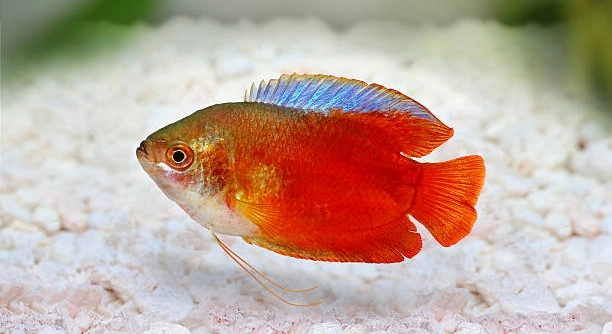
Is your gourami acting nervous, darting around the tank, or hiding more than usual even when the environment seems calm and stable?
Gourami can appear skittish due to a range of factors including water quality, tank mates, lighting, sudden movements, and internal stress. These behaviors are often triggered by subtle environmental changes that may go unnoticed by owners.
Some of these reasons might surprise you, but they can help you create a safer, more comfortable space for your gourami.
Sudden Changes in Tank Environment
Gourami are sensitive to their surroundings, and even minor changes in water conditions can trigger anxious behavior. Shifts in pH, ammonia levels, temperature, or water hardness may not seem dramatic to you, but to a gourami, these shifts are significant. A newly cleaned tank, added decoration, or even a recent water change can lead to stress if not done carefully. These fish rely on consistency, and unexpected changes make them feel vulnerable. They may start hiding behind plants, swimming erratically, or even refuse to eat. Monitoring the water regularly and making gradual adjustments helps reduce this response. If your gourami suddenly acts uneasy, test the water first before making assumptions. Sudden behavior changes are often connected to something in their environment that’s off balance. Using a reliable test kit and following a routine maintenance schedule can create a stable setup that makes your gourami feel safe and secure.
Keep any changes gradual, and avoid cleaning everything at once.
Maintaining a stable tank environment is one of the best ways to prevent your gourami from acting skittish. They thrive in steady, low-stress setups with minimal disruptions.
Aggressive or Fast Tank Mates
Gourami don’t do well with overly active or aggressive fish. They prefer calm companions and plenty of space to move around freely.
If your gourami shares a tank with fast swimmers or territorial fish, this can lead to constant stress. Fish like tiger barbs, bettas, or large cichlids may chase or nip at your gourami, even if you don’t notice it happening. Over time, this causes your gourami to withdraw, hide in corners, or develop health problems. The stress from these interactions isn’t always visible, but it adds up. It’s important to research compatibility before setting up a mixed-species tank. Choose peaceful tank mates like tetras, rasboras, or small catfish. Keep an eye on group dynamics, especially during feeding times when competition becomes obvious. A good tank layout with plenty of hiding spots also gives gourami a way to escape when they feel overwhelmed. Creating a calm tank with suitable companions makes a big difference in your gourami’s behavior.
Overhead Movements and Shadows
Movements above the tank can startle your gourami and make them act skittish. Their instincts tell them danger comes from above, so shadows or sudden gestures can trigger hiding or darting behavior.
If your tank is placed in a busy area, near a door, under a shelf, or beneath strong overhead lighting, your gourami might feel threatened. Even a hand reaching in from the top to feed them can feel invasive. You’ll notice they may rush to the bottom or behind plants when someone walks past. Over time, repeated exposure to these triggers creates ongoing stress. To fix this, reduce traffic near the tank or add a background to block visual disturbances. Lower lighting or using floating plants also helps. Feeding from the side of the tank instead of the top can gradually build trust and reduce their sensitivity to overhead movement.
These subtle steps make a visible difference in your gourami’s comfort level and routine.
Inadequate Hiding Spots or Plant Cover
Gourami need places to retreat to when they feel unsafe or overwhelmed. A bare tank with minimal cover gives them no chance to relax or establish territory.
When a tank lacks plants, caves, or driftwood, gourami can feel constantly exposed. This results in darting behavior, especially when lights turn on or someone approaches the tank. Even peaceful tank mates can feel like a threat when there’s no escape route. Adding live or silk plants, rocks, and tunnels allows them to choose when to rest or interact. Floating plants like duckweed or hornwort are especially helpful because they provide shaded comfort and break up harsh lighting. With enough cover, gourami are more likely to explore, eat, and swim calmly. Structure in the tank also helps reduce aggression from other fish by creating boundaries. A well-planted tank doesn’t just look nice—it gives your gourami the protection they naturally seek.
Poor Water Flow or Strong Currents
Gourami prefer calm, slow-moving water. If the filter creates strong currents, they may struggle to swim comfortably and end up hiding more often than usual.
Too much flow pushes them around, causing stress over time. Adjust your filter settings or use sponge filters to reduce current strength.
Loud Noises and Vibrations
Loud sounds near the tank, like slamming doors, music, or heavy footsteps, can unsettle your gourami. Vibrations travel through water quickly, and these sudden disturbances can make them dart or retreat.
Even moving the tank equipment too roughly can trigger skittish reactions. Keep noise and shaking to a minimum.
Illness or Parasites
When gourami feel unwell, they tend to hide more, swim less, or react nervously to their surroundings. Internal issues like parasites, infections, or swim bladder problems can make them feel exposed or vulnerable. Look for signs like clamped fins, color changes, or appetite loss. Acting skittish may be the first visible symptom, so it’s important to take it seriously. Isolate the fish if necessary and consult a vet or experienced aquarist to confirm the issue. Early treatment improves recovery and can ease their behavior. Keeping the water clean and feeding a balanced diet also helps prevent illness in the first place.
Recent Changes in Tankmates
Introducing new fish can unsettle your gourami. Even peaceful additions may shift the tank’s social balance, making them feel unsure or threatened. Give them time to adjust and monitor their reactions carefully.
FAQ
Why does my gourami dart around the tank suddenly?
Sudden darting is often a reaction to stress or perceived threats. Changes in water quality, lighting, or nearby movements outside the tank can startle them. Loud noises or quick hand movements near the glass may also cause this behavior. Keeping their environment calm and stable reduces these sudden bursts of activity.
How can I tell if my gourami is stressed or sick?
Signs of stress or illness include hiding for long periods, loss of appetite, clamped fins, faded colors, or unusual swimming patterns like tilting or floating. If you notice any of these, check water parameters and consider consulting an expert to rule out diseases or parasites.
What tank mates work best with gouramis?
Peaceful, slow-moving fish like tetras, rasboras, and small catfish generally do well with gouramis. Avoid aggressive or very active species that may chase or nip at your gourami. Proper tank mate selection helps lower stress and creates a balanced environment.
Can lighting really affect gourami behavior?
Yes, bright or sudden lighting changes can cause gouramis to feel exposed or startled. Using dimmer lights, providing shaded areas with plants, and gradually adjusting light levels mimic natural conditions and help them feel secure.
Is water flow important for gouramis?
Absolutely. Gouramis prefer calm water with minimal current. Strong flow from filters or pumps can exhaust them and cause stress. Adjust filter settings or use equipment designed for gentle water movement.
Why does my gourami hide so much?
Hiding is often a sign that your gourami feels unsafe or stressed. Causes can include poor tank conditions, unsuitable tank mates, illness, or environmental changes. Providing hiding spots and a peaceful environment encourages more natural behavior.
How often should I change the water for my gourami?
Regular water changes of about 20-30% weekly keep water quality high. This helps reduce harmful toxins and maintains stable parameters, which keeps your gourami healthy and less skittish.
What can I do if my gourami is stressed by reflections?
Reducing reflections by repositioning the tank away from windows or bright lights helps. Adding backgrounds or plants along the glass can also minimize confusing reflections that make gouramis feel threatened.
Are gouramis sensitive to noise?
Yes, gouramis can react to loud noises or vibrations around the tank. Keeping their environment quiet and avoiding sudden disturbances helps reduce stress and nervous behavior.
How do I prevent my gourami from getting stressed in the first place?
Maintain stable water conditions, choose compatible tank mates, provide plenty of hiding spots, and keep lighting soft and gradual. A calm and consistent environment is the best way to keep gouramis comfortable and less likely to act skittish.
What should I feed my gourami to keep it healthy?
A varied diet of high-quality flakes, pellets, frozen or live foods like brine shrimp and bloodworms keeps gouramis well-nourished. Good nutrition supports their immune system and overall behavior.
Can overcrowding cause my gourami to be skittish?
Yes, overcrowded tanks increase stress for all fish. Gouramis need space to swim and hide. Keeping the tank properly stocked based on its size helps reduce tension and aggressive behavior.
Is temperature important for gourami behavior?
Gouramis thrive in temperatures between 74-82°F (23-28°C). Temperatures outside this range can cause discomfort, stress, or illness, leading to skittish behavior. Use a reliable heater and thermometer to maintain stable heat.
How long does it take for gouramis to settle after being introduced to a new tank?
It can take several days to a few weeks for gouramis to adjust to a new environment. During this time, they may hide or act nervous. Patience and minimizing disturbances help them feel secure faster.
Can I use plants to reduce my gourami’s stress?
Yes, live or artificial plants provide shelter and break lines of sight, helping gouramis feel protected. Plants also improve water quality and create a more natural habitat.
What if my gourami keeps flaring at its reflection?
Persistent flaring can tire your gourami and cause stress. Reducing reflections, adding tank decorations, or repositioning the tank can help break this behavior and promote calmness.
Should I quarantine new fish before adding them to the gourami tank?
Quarantining new fish helps prevent diseases and reduces stress for your gourami. A separate tank allows observation for illness before introducing new tank mates.
Can feeding times affect gourami behavior?
Yes, regular feeding schedules create routine and reduce anxiety. Uneven or infrequent feeding may cause restlessness or aggression.
Is it normal for gouramis to be shy at first?
Yes, gouramis often hide or act skittish initially. Once they become comfortable with their environment and tank mates, they usually become more confident and visible.
What are common signs of parasite infestation in gouramis?
Look for scratching against objects, visible spots, lethargy, or rapid breathing. Parasites cause discomfort, making gouramis nervous and withdrawn.
How can I improve my gourami’s tank setup for better behavior?
Provide plenty of hiding places, keep water clean and stable, choose peaceful tank mates, and use gentle lighting and water flow. A well-planned setup promotes calm and natural behavior.
Final Thoughts
Gouramis are sensitive fish that react to many different factors in their environment. Their skittish behavior is often a sign that something in their tank is not quite right. Whether it’s water quality, tank mates, lighting, or noise, these small changes can cause them to feel unsafe and nervous. Understanding these factors helps to create a stable and comfortable environment where gouramis can thrive and show their natural calm behavior. Paying close attention to their reactions can prevent bigger problems from developing.
Maintaining a healthy tank setup is key to reducing stress for gouramis. This includes regular water changes, appropriate temperature, gentle water flow, and the right tank mates. Providing hiding places with plants or decorations also gives them a sense of security. Gouramis that feel safe are less likely to dart around or hide constantly. In many cases, improving the environment leads to noticeable changes in their behavior within days or weeks. Consistency in tank care plays a big role in their well-being.
If your gourami continues to act skittish despite good tank conditions, it could indicate illness or parasites. Early detection and treatment improve their chances of recovery. Watching for other signs like loss of appetite, faded colors, or unusual swimming is important. Consulting with an expert can help identify and address health issues. Overall, patience and careful observation are essential when caring for gouramis. With the right care, these fish can become calm, healthy, and enjoyable additions to any aquarium.

Hello,
If you enjoy the content that we create, please consider saying a "Thank You!" by leaving a tip.
Every little bit helps us continue crafting quality advice that supports the health, happiness, and well-being of pets around the world, for pets of all shapes, sizes, and species.
We really appreciate the kindness and support that you show us!