
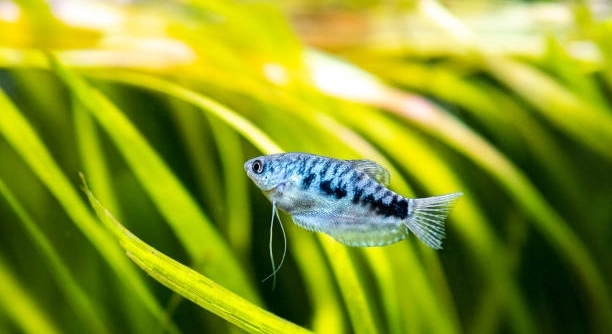
Have you ever watched your gourami rest and wondered if there’s more going on beneath the surface than just sleep?
Gourami reveal behavioral and physiological changes across seven distinct sleep cycles. These cycles show variations in posture, gill movement, and responsiveness to stimuli, suggesting that gourami experience a layered rest process influenced by environmental cues and internal regulation.
Each stage reflects different needs, and learning them can deepen your understanding of their health, habits, and emotional state.
How Gourami Display Their Sleep Stages
Gourami go through seven noticeable sleep stages that can be observed by changes in their posture, movement, and reaction to light or sound. In the early stages, they remain semi-alert, often hovering near the middle or bottom of the tank. Their gill movements slow slightly, and their fins may remain extended. As they transition into deeper rest, gourami become more still, often hiding among plants or decorations. In the deeper cycles, their colors may dull, their fins drop closer to the body, and their bodies remain almost motionless. Some even lean against tank walls or objects. Despite this calm appearance, they remain slightly aware of their surroundings and can be startled awake if the environment shifts. Each cycle plays a role in maintaining their balance and internal systems. Understanding these patterns helps identify what stage they’re in, and whether their rest is being disrupted by stress or poor tank conditions.
Each stage reflects different levels of rest. Some allow light awareness, while others resemble true sleep.
Providing stable lighting, quiet nights, and natural tank decor supports these patterns and helps gourami sleep well. Sleep disruption can lead to signs of stress or imbalance, so it’s important to pay attention to how they rest each day.
What Influences Gourami Sleep Cycles
Noise, light changes, and tank mates all affect how deeply and how long your gourami rest. Water temperature and overall tank health also play a role.
Gourami need a calm and consistent environment to cycle through their rest stages without interruption. If the tank is near loud spaces, exposed to bright lights at night, or has too many active fish, your gourami might only reach the lightest stages of rest. Over time, this can cause fatigue or low energy. Their internal clocks rely on regular patterns of light and dark, so keeping the tank in sync with natural lighting helps them settle into proper sleep cycles. Cooler water at night can encourage deeper rest, but temperatures that drop too low might do the opposite. Watch for warning signs like rapid gill movement during sleep or frequent waking. These can mean your gourami aren’t reaching deeper stages, and may need small changes to their space or routine.
How to Tell If Your Gourami Is in a Deep Sleep
When in deep sleep, gourami become less responsive to nearby movement and sound. Their body remains still, fins relax, and their color may slightly fade. They may also settle at the bottom or tuck themselves near plants.
Deep sleep in gourami often happens late at night or during long periods of quiet. If your fish stays in one place with slow gill movement and doesn’t react immediately to motion outside the tank, it’s likely in this restful state. You might also notice its body slightly leaning or resting on a surface. This doesn’t mean something is wrong—it’s a sign of deep rest. Avoid tapping the glass or making sudden lighting changes, as these can interrupt the cycle. If you’re unsure, wait and observe from a distance. A healthy gourami in deep sleep will eventually stir and resume slow, relaxed swimming when it’s ready.
It’s important to create a consistent night routine to help your gourami settle into deeper rest. Use a timer to manage the tank lights and avoid sudden changes in brightness. Make sure the filter isn’t creating too much current at night. Too much water movement can make your gourami feel like it has to stay alert. Plants and hiding spots are also helpful. They provide shelter and create a space that feels safe for resting. A predictable routine, calm environment, and steady water conditions all play a role in helping your fish feel comfortable enough to fall into deeper sleep cycles naturally.
What Disrupts Gourami Sleep
Sudden noise, light, or movement near the tank can easily wake a sleeping gourami. Vibrations from nearby electronics or loud music may prevent them from reaching deeper sleep stages throughout the night.
Sharing a tank with aggressive or overly active fish can also disrupt rest. Constant swimming or chasing creates stress and alertness.
Why Sleep Cycles Matter for Gourami
Consistent sleep cycles help gourami manage stress, maintain proper immune function, and recover from minor injuries or illness. When their rest is constantly interrupted, it can lead to sluggish behavior, loss of appetite, or dull coloration. Proper sleep supports better oxygen regulation, smoother digestion, and balanced behavior throughout the day. If they can’t rest fully, you might notice them hiding more or becoming more irritable with tank mates. It also affects their ability to respond to changes in the tank, like new decor or minor temperature shifts. Maintaining a regular light schedule and reducing tank disturbances can make a big difference in their overall behavior and appearance.
Signs Your Gourami Needs Better Rest
Look for signs like frequent hiding, low energy, or dull colors during the day. These may point to disrupted or incomplete sleep cycles.
FAQ
How long do gourami sleep each night?
Gourami don’t sleep in one long stretch like humans. Instead, they rest in short cycles during the night when the lights are off and the environment is quiet. These cycles can add up to several hours of total rest. Each sleep stage varies in depth, and they may wake up briefly before returning to sleep. As long as the tank stays calm and undisturbed, gourami usually complete their needed rest by morning. You may notice them swimming slowly or staying tucked in a corner or plant, especially in the middle of the night or early morning.
Do gourami sleep with their eyes open?
Yes, gourami do sleep with their eyes open because they don’t have eyelids. This can make it hard to tell when they’re resting. The best way to notice is by their behavior—stillness, slower gill movement, and reduced reaction to outside motion. Some may also change color slightly, especially if they’re in a deeper sleep cycle. If you’re unsure whether your fish is asleep, avoid tapping on the tank or shining lights in their direction. Instead, observe their posture and whether they respond slowly to normal surroundings. Over time, you’ll recognize the difference between resting and active behavior.
Why does my gourami seem more active at night?
If your gourami is active at night, it could be due to bright lights during the day or a stressful tank environment. Some fish stay alert when they don’t feel safe enough to rest. Check the tank lighting schedule and make sure it mimics natural day-night cycles. Overactive tank mates or strong water flow can also keep your gourami from feeling calm enough to rest. It’s best to use soft lighting in the evening, keep the room quiet, and ensure the tank isn’t placed near TVs or loud electronics. A peaceful setup encourages natural sleep behavior.
Can too much light affect their sleep?
Yes, too much light—especially if it’s constant or inconsistent—can confuse your gourami’s internal clock. They rely on clear day and night signals to enter proper sleep cycles. Bright lighting at night can prevent deep sleep or cause them to stay alert longer than they should. Even small lights from nearby rooms or devices can be disruptive. Use a tank light on a timer to maintain a steady routine. Try to keep the tank in a spot where it won’t be exposed to irregular light. A regular pattern helps your fish settle down naturally at night.
Do gourami dream when they sleep?
There’s no solid evidence that gourami dream like humans do. However, some fish have been observed making small movements during sleep, which might suggest light neural activity. This could be part of memory processing or stress recovery. For gourami, their version of rest likely focuses on conserving energy, healing, and staying alert enough for safety. While they don’t dream in the human sense, their rest cycles still play an important role in how they feel and function. Creating a safe space for uninterrupted sleep allows them to fully benefit from their nightly rest.
Is it normal for gourami to hide more during sleep?
Yes, hiding during sleep is completely normal for gourami. In the wild, staying hidden while resting helps protect them from predators. In a tank, they still hold on to this habit. You may see them wedge into plant clusters, under decorations, or behind filters at night. This doesn’t mean something is wrong—it just shows they’re trying to feel secure. To help them rest well, offer plenty of soft plants and safe hiding spots. If your gourami has a regular place it sleeps, that’s a sign it feels safe and comfortable in its environment.
What should I do if my gourami isn’t sleeping well?
If your gourami seems restless, always swimming, or acting tired during the day, start by checking the tank’s environment. Make sure the light schedule is consistent, water temperature is stable, and other fish aren’t causing stress. Reduce bright lights or sudden movements at night. Try adding more plants or décor for shelter. Also, avoid feeding too late in the evening—digesting food can keep them alert longer. If things don’t improve after small changes, test the water for ammonia or pH problems. Sometimes, poor sleep points to a bigger health issue that needs attention.
Final Thoughts
Understanding how gourami sleep gives you a better view of their natural behavior and daily needs. These fish may not sleep like humans, but they do follow a pattern of short rest cycles, often at night when the lights are off. Each sleep stage serves a purpose, allowing them to conserve energy and stay alert enough to react if needed. If your tank is set up to support their sleep, they will naturally fall into these patterns without much help. Watching their nighttime behavior can be a helpful way to make sure everything in your tank is balanced.
Creating the right environment makes a big difference. Low lighting, stable water temperature, quiet surroundings, and plenty of places to hide all help your gourami feel safe. When they feel safe, they rest better. Over time, you’ll begin to notice how often and where your fish likes to sleep. Each fish has its own habits, so there’s no single rule. Some will tuck into plants, others may stay near the bottom, while a few hover in still water. These resting habits are signs of comfort, not signs of illness. As long as your gourami is active and alert during the day, you’re likely on the right track.
Caring for gourami goes beyond feeding and cleaning. Paying attention to how they rest is just as important. Rest helps them stay calm, healthy, and more colorful. If their sleep gets disrupted often—whether from lights, sound, or tank mates—it may lead to stress. That stress can affect everything from appetite to immune health. So while sleep may seem like a small detail, it’s a part of their routine that matters. Taking time to understand your gourami’s sleep behavior can help you create a peaceful space they enjoy. With the right setup, they’ll rest well, stay healthy, and live longer in your care.

Hello,
If you enjoy the content that we create, please consider saying a "Thank You!" by leaving a tip.
Every little bit helps us continue crafting quality advice that supports the health, happiness, and well-being of pets around the world, for pets of all shapes, sizes, and species.
We really appreciate the kindness and support that you show us!