
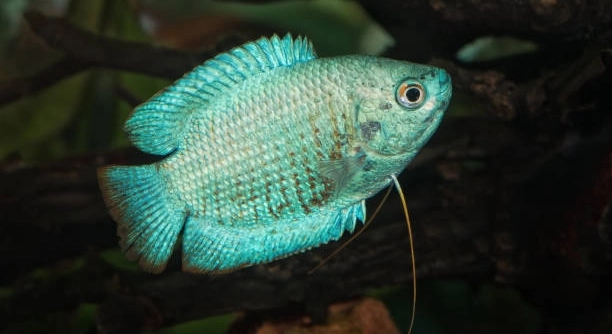
Paired gouramis are popular aquarium fish known for their interesting behaviors and interactions. Observing their moods can help hobbyists better understand these peaceful swimmers. Recognizing mood shifts is important for maintaining a healthy environment for them.
Paired gouramis exhibit seven distinct mood shifts that indicate changes in social interaction, stress levels, and territorial behavior. These shifts range from calm swimming and foraging to flaring fins and chasing, reflecting their communication and well-being.
Learning about these mood changes can improve your care routine and deepen your appreciation for these fascinating fish. Understanding their behavior helps create a balanced and harmonious aquarium community.
Calm and Curious Behavior
When paired gouramis feel safe and comfortable, they display calm and curious behavior. You will often see them gently swimming around the tank, exploring their environment without sudden movements. Their fins are relaxed, and their colors appear soft and natural. This calm state shows that they are not stressed and feel secure in their space. During this time, gouramis may also investigate plants, decorations, or other tank mates without showing aggression. It is a good sign that the aquarium conditions, like water quality and temperature, suit them well. Observing this mood helps you understand when your fish are content and thriving, allowing you to maintain the environment that supports their peaceful nature.
Calm behavior is the baseline mood for healthy paired gouramis, signaling good welfare and comfort.
Keeping gouramis in a stress-free setting with plenty of hiding spots and gentle water flow encourages this calm and curious mood. It also helps reduce aggressive encounters and keeps their immune systems strong.
Flaring and Displaying Fins
Flaring fins is a common behavior in paired gouramis, especially during social interactions. When one fish spreads its fins wide and raises its body, it is often a way to assert dominance or warn others to keep distance. This display can look dramatic but is normal. Usually, the gouramis do this to establish territory or during mild disputes without serious harm. Sometimes, both fish will take turns flaring, which can prevent physical fights by setting clear boundaries. However, if flaring happens too often or seems aggressive, it may indicate stress or overcrowding in the tank. To help your gouramis, check the space available and make sure there are enough hiding places to reduce tension. Regular monitoring of their interactions can prevent escalation and promote harmony in the tank.
Chasing and Following
Chasing happens when one gourami actively pursues another. This behavior usually shows dominance or courtship. It is common but should not be aggressive.
Chasing is a way for paired gouramis to communicate their status or interest. During mating periods, males often chase females as part of their courtship ritual. Outside of breeding, chasing can also serve to reinforce social hierarchy. This behavior keeps their social structure clear but should not cause harm. If chasing becomes too intense, it may stress the fish or lead to injury, so observing the frequency and duration is important. Providing enough space and hiding spots helps reduce tension.
Following is a less aggressive form of chasing, where one fish swims closely behind another without signs of hostility. It shows curiosity or mild interest rather than aggression. This subtle behavior helps gouramis stay aware of each other’s movements and strengthens their social bond over time.
Hiding and Retreating
Hiding is a protective mood shift where gouramis seek shelter. It usually means they feel threatened or stressed.
When paired gouramis hide, it signals discomfort with the current environment or tank mates. Stress can come from poor water conditions, overcrowding, or aggressive neighbors. Hiding allows them to recover and feel safe. Sometimes, fish retreat during or after disputes to avoid further conflict. Providing plants, caves, or decorations gives them places to feel secure and reduces overall stress. Watching for hiding behavior helps you spot problems early, ensuring timely adjustments. A healthy tank encourages regular activity, so frequent hiding suggests something needs attention to improve your gouramis’ well-being.
Color Changes
Color changes in paired gouramis often reflect their mood or health. Brighter colors usually mean the fish is feeling confident or ready to mate. Duller colors may signal stress, illness, or discomfort.
These shifts help gouramis communicate without aggression. Watching for sudden or prolonged color changes can alert you to environmental problems or social stress. Maintaining stable water conditions and avoiding sudden changes helps keep their colors vibrant and their mood balanced.
Resting and Floating
Paired gouramis often rest near the surface or float quietly when relaxed. This behavior shows they feel safe and are conserving energy. Unlike hiding, resting in the open indicates comfort in their surroundings.
Resting periods are important for their overall health, allowing them to recover from activity. Make sure your tank has gentle water flow and stable temperatures to support these calm moments.
Bubble Nest Building
Male paired gouramis build bubble nests during breeding times. These nests are clusters of bubbles on the water surface, created to protect eggs and fry.
The bubble nest is a clear sign of breeding readiness. It requires calm, clean water and minimal disturbances. Watching this behavior can help you identify when your gouramis are preparing to reproduce and indicates good tank conditions for raising young fish.
Aggressive Chasing
Aggressive chasing differs from simple following or mild chasing. It involves fast, persistent pursuit with signs of hostility like biting or fin damage.
What causes mood shifts in paired gouramis?
Mood shifts in paired gouramis happen because of changes in their environment, social interactions, or health. Factors like water quality, tank size, temperature, and tank mates affect their mood. Stress from overcrowding or aggressive fish can cause sudden mood changes. Even subtle changes in lighting or decorations can impact how comfortable they feel. Mood shifts also relate to natural behaviors such as breeding or establishing territory. Watching these shifts helps identify problems early and create a better environment for your fish.
How can I tell if my paired gouramis are stressed?
Signs of stress include hiding more than usual, dull colors, and aggressive chasing. Gouramis may also lose appetite or swim erratically. Frequent flaring and fin clamping can indicate discomfort. Stress often comes from poor water quality, overcrowding, or incompatible tank mates. Stress weakens their immune system, making them vulnerable to diseases. To reduce stress, test water regularly, keep the tank clean, and ensure enough space and hiding spots. A calm environment encourages healthier, more natural behavior.
Why do paired gouramis build bubble nests?
Bubble nests are built by males as part of their breeding behavior. They create these nests on the water surface to protect eggs and young fry. A bubble nest shows the male is ready to breed and feels safe in the tank. The nest needs calm water with low surface agitation. If the tank is too turbulent, the nest may break apart. Providing plenty of floating plants helps the nest stay intact. Watching nest building is a sign your gouramis are healthy and comfortable.
Is chasing between paired gouramis normal?
Yes, chasing is normal and usually part of their social behavior. It can be related to dominance, courtship, or territorial disputes. Gentle chasing helps them establish hierarchy without fighting. However, aggressive chasing with biting or fin damage is a concern. If chasing causes harm, it’s important to increase tank size or add hiding places. In some cases, separating overly aggressive fish prevents injuries. Observing how often chasing happens and the intensity helps manage their social balance.
What does it mean when my gouramis change color?
Color changes in gouramis can indicate mood, health, or breeding status. Bright colors usually mean they are confident or ready to breed. Dull or faded colors often point to stress, illness, or poor water quality. Sudden color loss can signal problems that need attention. Regular water changes and a balanced diet help maintain vibrant colors. Monitoring color shifts gives clues about their well-being and tank conditions.
How do I reduce aggression in paired gouramis?
To reduce aggression, ensure the tank is large enough and has plenty of hiding spots. Plants, caves, and decorations help fish feel secure. Avoid overcrowding by keeping compatible fish only. Maintain good water quality to lower stress levels. Sometimes rearranging the tank decor can reset territories and reduce fights. If aggression persists, separating the most aggressive individuals may be necessary. Keeping the environment stable helps gouramis stay calmer and less territorial.
Why do my gouramis sometimes hide for long periods?
Long hiding periods usually mean the fish feel threatened or stressed. Changes in water quality, tank mates, or sudden disturbances can cause this behavior. Hiding helps them avoid conflict and recover. If hiding becomes excessive, it’s important to check water parameters and tank setup. Providing plenty of cover makes them feel safe and encourages more normal activity. Consistent routines and gentle lighting can also reduce hiding.
Can paired gouramis live peacefully with other fish?
Paired gouramis generally get along with peaceful tank mates. Avoid aggressive or fin-nipping species that may cause stress. Ideal companions include small tetras, rasboras, or Corydoras catfish. Always consider tank size and compatibility before adding new fish. Introduce new tank mates slowly to prevent stress. Monitoring interactions is important to keep harmony. A well-planned community tank supports natural behavior and reduces mood shifts.
What should I do if my gouramis stop eating?
Loss of appetite can be a sign of stress, illness, or poor water conditions. Check water parameters and temperature first. Observe for other signs like color changes or hiding. Try offering varied foods like live or frozen options to stimulate appetite. If the problem continues, consult a fish health specialist or veterinarian. Early action prevents worsening health issues and helps your gouramis recover quickly.
How often should I clean my gourami tank?
Regular cleaning is essential to keep water quality high and reduce stress. Perform partial water changes of about 20-30% weekly or biweekly, depending on tank size and stocking. Clean filters regularly but avoid removing all beneficial bacteria. Remove uneaten food and debris daily. A clean tank supports healthy behavior and vibrant colors. Keeping a consistent cleaning schedule makes caring for paired gouramis easier and more effective.
Final thoughts about paired gouramis focus on understanding their moods and behaviors to provide the best care. These fish show different mood shifts, like calm swimming, chasing, flaring fins, and hiding. Each behavior means something important about their health or environment. Watching these signs helps you know when your fish are happy or stressed. It also gives you clues on what to improve in their tank. Paying attention to mood changes is a simple way to keep your gouramis comfortable and safe.
Taking care of paired gouramis means providing a stable and clean environment. Water quality, tank size, and hiding places all affect their mood and well-being. When conditions are right, gouramis feel secure and show more peaceful behaviors. They build bubble nests, swim calmly, and interact nicely with each other. If they seem stressed or aggressive, changes in their environment can help reduce problems. Giving them space and quiet spots lets them relax and feel less threatened. These steps make a big difference in their daily behavior.
Overall, paired gouramis are fascinating fish that communicate a lot through their moods. Understanding what their behaviors mean helps create a better tank for them. It also helps prevent health issues caused by stress or aggression. By learning to read these mood shifts, you can enjoy watching your gouramis while making sure they stay healthy. Taking the time to care for their needs leads to a peaceful and balanced aquarium. This makes the experience rewarding for both you and your fish.

Hello,
If you enjoy the content that we create, please consider saying a "Thank You!" by leaving a tip.
Every little bit helps us continue crafting quality advice that supports the health, happiness, and well-being of pets around the world, for pets of all shapes, sizes, and species.
We really appreciate the kindness and support that you show us!