
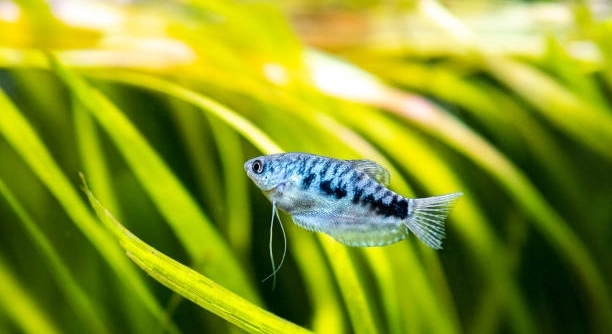
Are your gouramis acting a little different lately, flashing their fins or making odd moves that seem out of the ordinary?
Gouramis use specific fin movements and positions to communicate stress, discomfort, or agitation. These signals are subtle but meaningful, including clamped fins, darting motions, and unusual swimming patterns. Recognizing them can help prevent health issues.
Knowing what these signals mean can help you better understand your fish and provide a more peaceful environment for them.
Clamped Fins and What They Mean
When a gourami holds its fins tightly against its body, it’s a clear sign something is wrong. This position, called clamping, usually points to stress, poor water conditions, or illness. Clamped fins limit their ability to move freely and are not normal in a relaxed, healthy fish. Common causes include ammonia spikes, low oxygen, or sudden changes in temperature. If you notice this sign, test your water immediately and perform a partial water change if needed. It’s important not to ignore clamped fins, as they can be one of the earliest signs that your gourami isn’t feeling well. Other signs may follow, but clamping often appears first. A clean tank, stable water parameters, and low stress are key to keeping this from happening again. You’ll want to act quickly if you see it, as stress left unresolved can lead to more serious health problems in your fish.
Clamped fins are not a random behavior. They are a physical signal of discomfort and should always be taken seriously by fish keepers.
Keeping a close eye on how your gourami holds its fins can help you stay ahead of problems. Early action often means an easier fix and less stress for your fish.
Darting and Erratic Swimming
Darting behavior in gouramis often means they are scared or irritated by something in their environment.
This sudden movement is usually not playful. It can be caused by high ammonia levels, aggressive tank mates, loud noises, or even poor lighting. If your gourami is darting across the tank or smashing into decorations, something is bothering it. Begin by checking your water parameters—ammonia, nitrite, and nitrate levels should all be within safe limits. A peaceful tank is also important, as gouramis do not enjoy aggressive company. Make sure they have space to swim and hide. Loud bangs near the tank, bright lights, or constant tapping on the glass can also lead to darting. The more secure they feel, the more relaxed their movements will be. A calm gourami will glide, pause, and explore. If you notice repeated darting, it’s time to make changes to reduce stress and create a more stable, quiet environment.
Rapid Gill Movement
Rapid gill movement can be a clear sign that your gourami is stressed or struggling to breathe. This is often caused by poor water quality, low oxygen levels, or rising toxins that are affecting your fish’s ability to breathe comfortably.
When a gourami breathes faster than usual, it’s trying to get more oxygen. You might notice it staying near the surface, where oxygen levels are usually higher. This behavior should not be ignored. Test your tank water for ammonia, nitrites, and oxygen levels. A buildup of waste or low filtration can quickly cause stress. Adding an air stone or improving water circulation can help boost oxygen. Make sure the water temperature isn’t too high, since warmer water holds less oxygen. Even though gouramis can breathe air with their labyrinth organ, they still need good oxygen levels in the water to stay healthy and calm.
Keep an eye on how long the rapid gill movement lasts. If it continues for more than a few hours, something in the tank environment needs fixing. It may be that a water change is needed, or the filter isn’t working properly. Catching this early helps you prevent further stress or illness in your fish.
Flaring at Tank Mates
Flaring is when a gourami spreads its fins and gill covers to appear larger. This often happens when it feels threatened, territorial, or irritated by other fish. It’s not always aggressive but should be monitored closely.
If your gourami is flaring regularly at tank mates, it may be feeling stressed or challenged. Some flaring is normal, especially during breeding or when new fish are added. However, too much flaring can lead to exhaustion and fights. Consider if your tank has enough space and hiding spots. Overcrowding often leads to tension. Also, check that tank mates are compatible in temperament. Gouramis don’t enjoy being around fin-nippers or overly active species. Giving them breaks in visibility using plants or decorations can help reduce constant flare-ups. If the behavior escalates, you may need to separate the fish to avoid injury and restore calm in the tank.
Hiding More Than Usual
When a gourami hides for long periods, it may be feeling unsafe or overwhelmed. Hiding behind plants, filters, or decorations can signal stress from aggressive tank mates, sudden changes, or bright lighting.
Make sure the tank environment is calm and stable. Sudden movement or loud sounds nearby can also cause hiding.
Loss of Appetite
A gourami that stops eating is likely upset or unwell. This can be linked to water quality issues, stress from tank changes, or illness. Skipping one meal isn’t unusual, but refusing food for days signals a problem. Always check water conditions first. Poor parameters are a common cause of appetite loss. Also, make sure your gourami isn’t being bullied away from food by faster fish. Offer food they usually enjoy, but remove uneaten bits quickly to avoid fouling the water. If the fish still won’t eat after a few days, it’s best to isolate them and consider asking a vet for advice.
Rubbing Against Objects
When a gourami rubs against tank decorations or gravel, it may be trying to relieve irritation. This could be caused by parasites, poor water quality, or chlorine exposure from untreated tap water.
FAQ
Why is my gourami staying at the top of the tank all the time?
Gouramis often go to the surface to breathe air using their labyrinth organ, but staying at the top constantly may mean something’s off. It usually points to low oxygen levels in the water. Even though gouramis can breathe air, they still prefer well-oxygenated water. Warm water, poor filtration, or overcrowding can lower oxygen levels quickly. Also, ammonia or nitrite spikes can make it harder for them to breathe comfortably. If your gourami is lingering at the surface, check your water quality right away. Adding an air stone or improving tank circulation can also help increase oxygen and make your gourami more comfortable.
Can stress really cause my gourami to get sick?
Yes, stress weakens a gourami’s immune system, making it more likely to catch diseases like fin rot or ich. Stress can come from many things—bad water, bullying tank mates, poor diet, or sudden changes. A stressed fish might not eat well, hide a lot, or breathe heavily. Over time, this makes it harder for the body to fight off infections. To prevent illness, focus on giving your gourami a steady routine and a calm, clean tank. Simple things like proper feeding and keeping the water clean can go a long way in protecting their health.
Is it normal for gouramis to chase each other?
Some chasing is normal, especially when establishing territory or during mating. However, if it turns into constant bullying or fin-nipping, it’s a problem. Watch their body language—if one fish hides or loses color, it may be scared or hurt. Male gouramis are more territorial, so avoid keeping too many in one space. Adding more plants or decorations can help break up sight lines and give weaker fish a break. If aggression continues, you may need to separate them. Tank size also matters—a small tank leads to more fights.
Do gouramis need hiding places in the tank?
Yes, hiding spots help reduce stress. Even peaceful gouramis like having quiet areas where they can rest or feel safe. Live or fake plants, caves, and driftwood can all create a more relaxing space. This also helps shy or smaller fish avoid aggressive tank mates. Without hiding spots, your gourami may feel exposed and stressed, leading to clamped fins or other upset signals. A well-decorated tank isn’t just prettier—it also keeps your fish calm and balanced.
How do I calm down an upset gourami?
Start by checking the basics: test your water, look for signs of aggression, and see if the tank is too bright or noisy. Small changes can make a big difference. Reduce sudden movements near the tank, keep feeding times consistent, and dim bright lights if needed. Make sure the filter isn’t causing strong currents—gouramis prefer calm water. Adding plants or rearranging decorations can also give them new places to explore or hide. Once things settle, you’ll usually see them return to normal behavior in a day or two.
Why is my gourami rubbing against the gravel or plants?
Rubbing behavior is often a sign of irritation. This could be due to external parasites, like ich, or from poor water quality. Chlorine in untreated tap water can also cause skin discomfort. Check for other signs—white spots, clamped fins, or flashing movements. If you suspect parasites, you may need to treat the tank with medication. In milder cases, a water change and removing harmful substances can fix the issue. Always treat early to prevent symptoms from getting worse.
Do female and male gouramis act differently when upset?
Yes, sometimes. Males are often more territorial and show stress through flaring or chasing. Females might hide more or become less active. Both can show signs like clamped fins or rapid breathing. Understanding these differences can help you spot issues quicker. If your tank has multiple gouramis, watch their behavior over time to learn what’s normal for each fish.
Final Thoughts
Gouramis are peaceful fish, but like all animals, they have ways of showing when something is wrong. They rely on body language and behavior instead of sounds or expressions. By watching how they swim, move their fins, eat, and interact with others, you can pick up on small signs of stress. These signs often show up before the problem becomes serious. That’s why it’s important to notice changes early. A fish that hides, breathes quickly, or rubs against decorations is trying to tell you something. These behaviors are not random—they are signals that something in their environment may need adjusting.
Keeping a gourami healthy doesn’t have to be hard. Clean water, gentle tank mates, steady temperatures, and a calm space are the main things they need. Checking your water regularly and feeding the right amount goes a long way. It’s also helpful to know what’s normal for your gourami. Some may flare more, while others might be more shy. When you know your fish well, you’ll be quicker to notice when something is off. You don’t need expensive tools or fancy setups to keep them happy—just basic care and close observation. Small changes in how they behave can lead you to fix a problem early, before it affects their health.
Paying attention to their signals helps build a better home for them. It also creates a more relaxing hobby for you. Watching fish swim calmly in a tank that runs smoothly is a quiet reward. When you learn their behaviors, it makes keeping fish less stressful and more enjoyable. You feel more confident because you know what to look for and how to respond. Gouramis may not be able to speak, but they still have a voice through their actions. Respecting those signals keeps them safe, and helps them live longer, healthier lives. It’s not about being perfect—it’s about being aware. And with time, you’ll understand them better, simply by paying attention.

Hello,
If you enjoy the content that we create, please consider saying a "Thank You!" by leaving a tip.
Every little bit helps us continue crafting quality advice that supports the health, happiness, and well-being of pets around the world, for pets of all shapes, sizes, and species.
We really appreciate the kindness and support that you show us!