
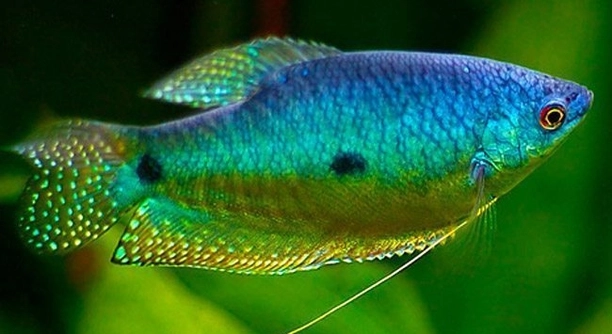
Gouramis are popular aquarium fish known for their calm and interesting behavior. Many fishkeepers want to understand how different tank materials affect their gouramis. This article explores how seven common tank materials influence these fish.
The material used in a gourami’s tank can significantly impact their behavior, stress levels, and overall health. Different surfaces affect water quality, tank environment, and fish comfort, shaping how gouramis interact within their space and respond to stimuli.
Knowing how these materials affect gouramis can help you create a better home for them. This information supports healthier fish and a more enjoyable aquarium experience overall.
Glass Tanks and Gourami Behavior
Glass tanks are the most common choice for aquariums. They offer clear visibility and a smooth surface that is easy to clean. Gouramis in glass tanks tend to show natural behavior since the environment is stable and free from contaminants. Glass does not react with water, which helps maintain good water quality. Gouramis feel comfortable swimming and exploring because the tank walls are smooth and provide a consistent environment. However, glass can sometimes cause reflections that may confuse or stress gouramis, especially if the lighting is strong. It’s important to position the tank carefully to reduce glare and reflections. Overall, glass tanks provide a safe and clear habitat that supports gouramis’ health and natural habits without adding unnecessary stress.
The clarity of glass tanks makes it easier to observe gouramis without disturbing them. This helps you understand their behavior better and notice any changes quickly.
When choosing a glass tank, consider its thickness and durability. Thicker glass can hold larger tanks but weighs more. Proper maintenance, such as regular cleaning and monitoring water conditions, is key to keeping gouramis happy. Glass tanks suit most gourami species because they offer a neutral and stable environment. Adding plants and hiding spots inside can enhance their comfort and reduce stress. The tank’s transparency also allows natural light to enter, which is beneficial for gourami health and behavior. Overall, glass is a reliable option for a clear and stable home.
Plastic Tanks and Gourami Behavior
Plastic tanks are lighter and less expensive but can have drawbacks.
Plastic tanks may scratch easily and sometimes release chemicals into the water. This can affect gourami health and cause unusual behavior like hiding or lethargy. Plastic surfaces are often less clear than glass, making it harder to observe the fish closely. Gouramis might feel less secure in plastic tanks because of how light passes through or reflects. Over time, plastic can degrade, which might impact water quality and tank stability. However, plastic tanks are easier to move and can be suitable for small gouramis or temporary setups. When using plastic tanks, careful monitoring of water conditions is even more important to ensure gouramis stay healthy and stress-free. If you decide on plastic, choosing a high-quality, BPA-free tank reduces risks. Adding plants and decorations helps create a more natural and comfortable environment for your gouramis.
Ceramic and Gourami Behavior
Ceramic tanks are less common but offer a unique environment for gouramis. Their porous surface can encourage beneficial bacteria growth, improving water quality. However, ceramic tanks can be heavy and fragile, making maintenance a bit tricky.
The porous nature of ceramic helps create a stable biological filter by supporting colonies of helpful bacteria. This can improve water parameters, which is good for gourami health. Gouramis tend to feel secure in ceramic tanks because the material absorbs some noise and vibrations, reducing stress. However, ceramic tanks often come with less transparency, making it harder to watch your fish closely. Decorations and plants can brighten the tank and make gouramis more active and comfortable in their space.
Cleaning ceramic tanks requires extra care because the surface can trap debris and algae more easily than glass or plastic. Using gentle tools helps avoid damage. The weight of ceramic also means moving the tank frequently is not practical. Despite these challenges, ceramic tanks provide a calm and natural feeling habitat that can positively affect gourami behavior by keeping the water stable and peaceful.
Metal Tanks and Gourami Behavior
Metal tanks are rare in aquariums due to risks of rust and corrosion affecting water quality and fish health.
When metal corrodes, it releases harmful substances into the water that stress gouramis and can lead to illness. Metal surfaces are often cold and reflective, which may confuse or frighten gouramis. These tanks usually lack the right texture and insulation needed for stable water conditions. Gouramis generally avoid environments where water quality fluctuates, and metal tanks rarely provide a safe habitat. Because of these factors, metal tanks are not recommended for keeping gouramis or most other aquarium fish. Choosing safer materials is important for maintaining gourami wellbeing and natural behavior.
Acrylic Tanks and Gourami Behavior
Acrylic tanks are lighter and more impact-resistant than glass. They offer excellent clarity and insulation, which gouramis respond well to.
The smooth surface of acrylic reduces stress by limiting sharp reflections. However, acrylic scratches easily, which may affect visibility over time. Regular gentle cleaning helps keep the tank clear and comfortable for gouramis.
Wood Tanks and Gourami Behavior
Wood tanks are uncommon but can add a natural look and texture to the aquarium. Properly sealed wood won’t leak harmful substances, making it safe for gouramis.
Wood can affect water chemistry slightly, releasing tannins that lower pH. Gouramis often enjoy the shaded, cozy environment wood creates, which can encourage natural hiding and resting behaviors.
Stone Tanks and Gourami Behavior
Stone tanks or tanks with stone decorations can influence water hardness and pH. Gouramis may benefit from stable conditions if the stone is inert and doesn’t alter water chemistry.
Plastic Coated Tanks and Gourami Behavior
Plastic-coated tanks offer durability and resistance to corrosion. However, the coating may wear off over time, potentially impacting water quality and gourami comfort.
What tank material is best for gouramis?
Glass tanks are generally the best choice for gouramis. They provide a stable, neutral environment without affecting water chemistry. Glass offers excellent clarity for observation and is easy to clean. Acrylic is another good option because it is lighter and insulated, but it scratches more easily. Avoid metal tanks, as they can rust and release harmful substances that stress the fish.
Can tank material affect gourami stress levels?
Yes, tank material influences stress in gouramis. Rough or reflective surfaces, like some plastics or metal, can cause confusion or frighten them. Smooth, clear materials such as glass and acrylic create calmer environments by reducing reflections and sudden changes. Materials that promote stable water quality, like ceramic or properly sealed wood, also help lower stress.
Are plastic tanks safe for gouramis?
Plastic tanks can be safe if they are high-quality and BPA-free. However, many plastic tanks scratch easily and may release chemicals over time. This can affect water quality and gourami health. Regular water testing and tank maintenance are important if you use plastic. It’s best to choose plastic tanks designed specifically for aquariums.
How does the tank material impact water quality?
Some materials, like ceramic and wood, can influence water parameters by releasing minerals or tannins. Stone decorations might affect hardness and pH levels. Glass and acrylic do not alter water chemistry, making them more reliable for maintaining stable water quality. Metal tanks are risky because corrosion can pollute the water.
Do gouramis prefer tanks with natural materials inside?
Gouramis tend to feel more secure with natural decorations such as plants, wood, or smooth stones. These elements mimic their natural habitats, encourage hiding, and reduce stress. While the tank material itself is important, what’s inside the tank often plays a bigger role in their comfort and behavior.
Is tank transparency important for gouramis?
Transparency helps you monitor your gouramis closely, but it also affects the fish. Glass and acrylic tanks allow natural and artificial light to enter clearly, which benefits gourami health. Too much reflection or glare from some materials can stress gouramis, so positioning the tank away from strong light sources helps.
What maintenance differences exist between tank materials?
Glass tanks require regular cleaning but resist scratches and stains. Acrylic tanks need gentler care to avoid scratches. Ceramic tanks can trap algae in their porous surfaces and require careful cleaning. Plastic tanks scratch easily and may discolor over time. Metal tanks are generally not recommended due to rust and corrosion risks.
Can tank materials influence gourami lifespan?
Indirectly, yes. Materials that maintain good water quality and reduce stress promote longer, healthier lives for gouramis. Poor-quality materials that leach chemicals or encourage unstable water conditions can lead to illness and shorter lifespans. Choosing safe, stable materials is an important part of responsible fishkeeping.
Are there any cost differences between tank materials?
Glass tanks are usually affordable and widely available. Acrylic tanks tend to cost more because of their lightweight and durability. Ceramic and custom wood tanks are often pricier due to their specialty nature and weight. Plastic tanks may be cheaper but come with more maintenance challenges. Metal tanks are rarely used and not cost-effective.
How should I choose a tank material for my specific gourami species?
Most gourami species do well in glass or acrylic tanks due to their stable and clear environments. If your gourami species prefers softer water or shaded areas, consider tanks with wood or ceramic elements inside rather than relying on the tank material alone. Research your specific species’ needs to match them with the best tank setup.
Choosing the right tank material plays an important role in how gouramis behave and stay healthy. Different materials affect water quality, tank stability, and the fish’s comfort. Glass tanks are the most popular choice because they are clear, easy to clean, and do not change the water chemistry. Acrylic tanks are also good for those who want a lighter tank with better insulation but need to be careful about scratches. Both of these options help create a calm and stable home for gouramis, allowing them to swim naturally and display normal behavior.
Other materials like ceramic and wood bring different benefits but may require extra care. Ceramic tanks promote helpful bacteria growth, which can improve water quality. Wood can add a natural feel and provide shaded spots that gouramis enjoy. However, these materials may change water conditions slightly and need close monitoring. Plastic tanks are less expensive and lightweight, but they can scratch easily and may release chemicals if the quality is low. Metal tanks should be avoided because they can rust and harm the fish. Knowing how each material affects your tank environment helps you choose what fits best with your gourami’s needs.
In the end, gouramis thrive best in environments that offer stability and comfort. The tank material is just one part of creating a good home. Adding plants, hiding spots, and keeping the water clean are also key. Paying attention to your gourami’s behavior and adjusting their surroundings accordingly can lead to a happier and healthier fish. Taking the time to select the right tank material and maintaining it well will help your gouramis live longer and show their best behavior. This thoughtful care makes the aquarium a pleasant place for both you and your fish.

Hello,
If you enjoy the content that we create, please consider saying a "Thank You!" by leaving a tip.
Every little bit helps us continue crafting quality advice that supports the health, happiness, and well-being of pets around the world, for pets of all shapes, sizes, and species.
We really appreciate the kindness and support that you show us!