
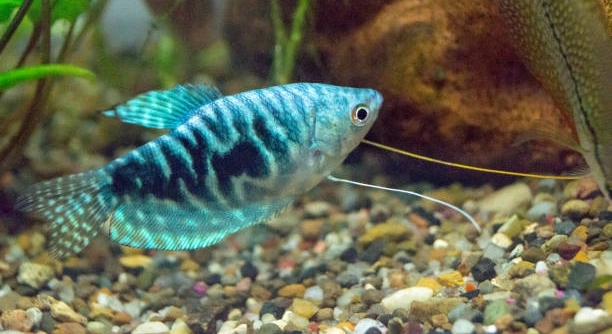
Gouramis are popular freshwater fish known for their peaceful nature and unique bubble nests. These nests play an important role in their breeding and overall behavior. Noticing changes in this activity can signal something about their wellbeing.
When gouramis stop blowing bubbles, it often indicates stress, poor water conditions, or health problems. This behavior is closely linked to their breeding instincts and environmental comfort, so a sudden stop can reflect changes in their habitat or physical state.
Understanding why your gourami has stopped bubble blowing can help you improve their environment and keep them healthy and happy in your aquarium.
Why Gouramis Blow Bubbles
Gouramis blow bubbles as part of their natural breeding process. Male gouramis create bubble nests on the water surface by blowing air bubbles coated with saliva. These nests serve as a safe place to protect their eggs and young fry. The behavior also indicates the male’s readiness to mate and his health status. When conditions are right, males will continue building and maintaining these nests. Factors like water temperature, cleanliness, and stress levels directly affect bubble blowing. In clean, stable tanks with proper temperature and minimal disturbances, gouramis tend to exhibit this behavior regularly. However, if the environment changes or if the fish feels threatened, bubble blowing will decrease or stop entirely. Observing this behavior gives a good insight into how comfortable and healthy your gourami is. It’s a natural and important part of their life cycle, showing that the fish is in good shape and ready to breed.
Bubble blowing mainly happens in male gouramis as a way to care for their offspring.
Recognizing this behavior helps in maintaining a healthy aquarium. When gouramis stop blowing bubbles, it usually points to something wrong in their environment or health. Proper tank maintenance, such as keeping the water clean and at the right temperature, supports this natural activity. Avoiding sudden changes or overcrowding also encourages gouramis to continue bubble blowing. It is an important behavior that should not be ignored, especially for breeders or those wanting healthy fish. By paying attention to bubble nests, you can better understand your gourami’s wellbeing and take steps to improve their living conditions if needed.
Common Reasons Gouramis Stop Blowing Bubbles
Stress is a major reason why gouramis stop blowing bubbles. Changes in water quality, such as high ammonia or nitrate levels, can make fish uncomfortable. Temperature fluctuations can also disrupt their behavior because gouramis prefer stable, warm water. Illness or injury may reduce their activity, making bubble blowing less likely. Sometimes, lack of a suitable place for nest building causes males to stop trying. Overcrowding or aggressive tank mates can also increase stress and prevent bubble nest creation. Even small disturbances, like tapping the glass or sudden noises, might stop this behavior temporarily. Understanding these causes allows for better care and faster responses to any problems in the tank.
Stress and water conditions heavily influence gouramis’ bubble blowing habits.
Addressing these issues starts with checking water parameters and ensuring the tank environment is stable. Regular water changes and testing for toxins help reduce stress. Providing plenty of hiding spots and limiting tank disturbances supports calm behavior. If illness is suspected, quarantine and treat the affected fish promptly. Sometimes simply adjusting temperature to the optimal range (around 75-82°F) encourages bubble nest building. Creating a peaceful, clean environment is key to seeing your gouramis return to their natural bubble blowing behavior. Keeping the tank balanced and monitoring fish health will help maintain this unique and important activity.
How to Encourage Gouramis to Blow Bubbles Again
Improving water quality is the first step to encourage bubble blowing. Make sure the tank is clean, with stable temperature and low stress. Removing aggressive tank mates can help gouramis feel safe enough to build nests again.
Check water parameters regularly, focusing on ammonia, nitrite, and nitrate levels. Perform partial water changes weekly to keep conditions optimal. Adding gentle plants near the water surface offers shelter and support for bubble nests. Avoid sudden movements or loud noises around the tank, as gouramis are sensitive to stress. Feeding them a balanced diet also strengthens their overall health, increasing the chances of bubble nest building. These small changes create a calm environment where gouramis can feel secure and comfortable.
Providing the right environment and minimal stress is essential. Keep an eye on water temperature, aiming for the mid-70s to low 80s Fahrenheit. Consistency matters, so avoid rapid temperature shifts. Use a heater and thermometer to maintain this range. When gouramis feel safe and healthy, they are more likely to return to their bubble blowing behavior.
Signs That Something Is Wrong with Your Gourami
A sudden stop in bubble blowing can be a sign of illness or stress. Watch for other symptoms like lethargy, loss of appetite, or unusual swimming patterns. These could indicate a health problem needing attention.
Stress and poor water conditions often show through behavior changes. Gouramis may hide more, become less active, or display faded colors. Parasites or infections can cause physical signs such as torn fins or spots on their body. If you notice these symptoms, test your water quality and consider a vet or fish expert’s advice. Early intervention is important to prevent worsening health. Monitoring your gourami’s behavior and environment closely helps catch problems before they become serious. This care improves their chances of recovery and returning to normal activities like bubble blowing.
Tank Setup for Bubble Nesting
A calm tank with plenty of surface plants encourages bubble nests. Gouramis feel safer when they have hiding spots near the water surface.
Keep water flow gentle to avoid breaking bubbles. Strong currents can destroy nests quickly and discourage bubble blowing.
Ideal Water Conditions
Stable temperature between 75°F and 82°F is best for gouramis. pH should be slightly acidic to neutral, around 6.0 to 7.5. Clean water with low ammonia and nitrate levels supports healthy behavior. Regular testing and water changes keep conditions steady. Proper oxygenation also helps gouramis stay active and stress-free.
Common Mistakes to Avoid
Overcrowding can cause stress, stopping bubble blowing. Avoid putting too many fish in a small tank to keep gouramis comfortable.
Feeding Tips for Healthier Gouramis
A balanced diet with high-quality flakes, pellets, and occasional live or frozen foods helps maintain gouramis’ health. Healthy fish are more likely to engage in natural behaviors like bubble blowing.
Why did my gourami stop blowing bubbles suddenly?
A sudden stop in bubble blowing usually points to stress or changes in the environment. Water quality problems like increased ammonia or nitrites, temperature fluctuations, or a new aggressive tank mate can cause stress. Illness or injury can also affect your gourami’s behavior. Check water parameters, tank conditions, and observe your fish carefully to identify possible issues.
Is it normal for female gouramis to stop blowing bubbles?
Yes, it is normal. Only male gouramis build bubble nests to attract females and protect eggs. Female gouramis rarely blow bubbles, so if you notice the behavior stopping, it’s often because the male isn’t building anymore or conditions aren’t right.
Can poor water quality cause gouramis to stop bubble blowing?
Absolutely. Gouramis are sensitive to poor water quality. High levels of ammonia, nitrites, or nitrates, as well as improper pH, can stress them and halt bubble nest building. Keeping the water clean through regular changes and testing is crucial to maintain their natural behaviors.
How long does it take for gouramis to start blowing bubbles after fixing tank issues?
It depends, but usually within a few days to a week after water conditions improve and stress factors are removed, male gouramis will begin building bubble nests again. Patience is key, as they need time to feel safe and comfortable in their environment.
Can temperature affect bubble nest building in gouramis?
Yes, temperature plays a big role. Gouramis prefer water between 75°F and 82°F. Temperatures outside this range can stop bubble nest building. Consistent warmth encourages males to create and maintain their nests.
What should I do if my gourami stops blowing bubbles and shows signs of illness?
First, test your water for toxins and correct any imbalances. Isolate the sick fish in a quarantine tank if possible, and treat with appropriate medications based on symptoms. Consult a fish health specialist for advice if you’re unsure about the illness or treatment.
Does the size of the tank impact gouramis’ bubble blowing behavior?
Yes, tank size matters. Gouramis need enough space to feel secure and build bubble nests. Overcrowded or small tanks can cause stress and prevent natural behaviors. A tank of at least 20 gallons is recommended for one or two gouramis.
Are bubble nests important for gouramis if I’m not breeding them?
While bubble nests are mainly for breeding, the behavior also indicates that your gourami feels safe and healthy. Seeing bubble blowing means your fish is comfortable in the tank. Even if you aren’t breeding, it’s a good sign to notice.
How can I create a better environment for my gourami to start bubble blowing again?
Maintain clean water with stable temperature and low stress. Add floating plants or gentle surface cover to provide shelter for nests. Avoid strong currents and loud noises. Feed a varied diet to keep your fish healthy and active.
Can tank mates influence whether gouramis blow bubbles?
Yes, aggressive or very active tank mates can stress gouramis, causing them to stop bubble blowing. Choose peaceful fish that won’t bother or chase your gouramis. Giving gouramis enough personal space helps them feel secure.
Is it possible that gouramis stop blowing bubbles when they grow older?
Sometimes older gouramis slow down with bubble blowing, especially if they are no longer breeding or if health declines. Age-related changes can reduce this activity, but good care can prolong their active behaviors.
How often should I check water parameters to support bubble blowing?
Weekly testing is best for maintaining stable water conditions. Frequent checks help catch problems early and keep ammonia, nitrite, nitrate, and pH at safe levels. Consistency helps gouramis stay healthy and more likely to blow bubbles.
Can adding specific plants encourage bubble nest building?
Yes, floating plants like duckweed or water lettuce provide surfaces for bubble nests. These plants help gouramis anchor their nests and feel protected. Plants also reduce surface agitation, which benefits bubble stability.
What do I do if my gourami blows bubbles but doesn’t breed?
It’s common for males to build nests even without females present. This behavior shows they feel comfortable but doesn’t always mean breeding will happen. Providing a suitable mate and proper conditions increases the chance of successful breeding.
Can stress from transportation stop bubble blowing?
Yes, moving gouramis to a new tank or home can cause stress that stops bubble blowing temporarily. Give them time to adjust, keep the environment stable, and avoid handling them too much during this period. They usually return to normal behavior once settled.
Gouramis are fascinating fish with unique behaviors that often reflect their health and environment. One of the most noticeable behaviors is bubble blowing, which is mainly done by male gouramis during breeding. When this behavior stops, it usually signals that something in the tank or with the fish is not quite right. Changes in water quality, stress, illness, or unsuitable tank conditions are common reasons why gouramis might stop blowing bubbles. Paying close attention to these signs helps keep your fish healthy and happy.
Maintaining a stable, clean tank environment is essential for encouraging natural behaviors like bubble blowing. Regular water testing and changes, controlling temperature within the right range, and avoiding overcrowding all make a big difference. Providing hiding spots and floating plants near the water surface can also help gouramis feel secure enough to build nests. Reducing stress is important since disturbances, aggressive tank mates, or sudden changes often cause gouramis to stop their bubble nests. With good care, gouramis usually return to their normal behavior, showing signs of comfort and health.
In the end, bubble blowing is more than just a breeding activity for gouramis; it is a clear indicator of their wellbeing. Observing this behavior and understanding its importance can help you respond quickly if something goes wrong. Whether you are a beginner or have experience with gouramis, focusing on proper tank conditions and fish health will ensure your gouramis thrive. Taking time to learn and adjust their environment helps build a peaceful and balanced aquarium where your fish can display their natural and beautiful behaviors.

Hello,
If you enjoy the content that we create, please consider saying a "Thank You!" by leaving a tip.
Every little bit helps us continue crafting quality advice that supports the health, happiness, and well-being of pets around the world, for pets of all shapes, sizes, and species.
We really appreciate the kindness and support that you show us!